Tegucigalpa, Honduras—A historic and prolonged drought deepened across Honduras on September 28, 2026, threatening over seven hundred thousand vulnerable citizens with severe food insecurity as agricultural yields collapse across the dry corridor. Unprecedented rainfall deficits spanning multiple consecutive months have desiccated staple maize and bean crops, leaving rural farming families with depleted food stocks and mounting debts. United Nations Office for the Coordination of Humanitarian Affairs representatives confirmed that emergency intervention plans must expand immediately to prevent widespread nutritional crises.
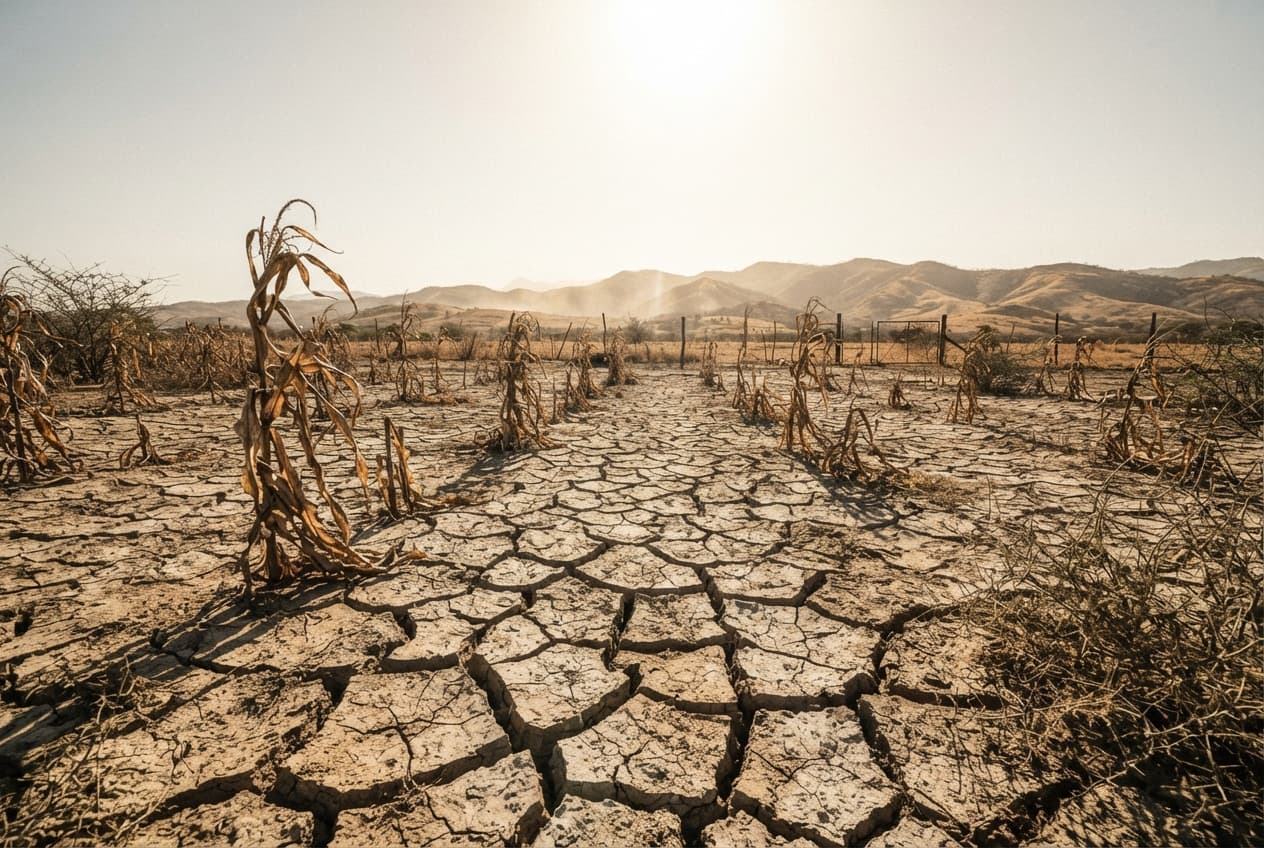
In southern and western agricultural departments, shrivelled crop stalks stand brittle and dead beneath relentless high temperatures and baking sun. Local farmer Mateo Gomez surveyed his ruined fields, noting that consecutive planting seasons have yielded zero harvestable grain for his household. Municipal authorities in several rural districts report that local shallow wells have completely dried up, forcing residents to walk miles daily to collect brackish water from receding riverbeds.
Public health clinics across the affected provinces registered sharp spikes in pediatric malnutrition cases and waterborne gastrointestinal illnesses. Medical personnel struggle to treat patients without reliable access to sanitized water or refrigeration units for essential vaccines. Regional health director Dr. Elena Vasquez stated that administrative supply chains are failing to keep pace with escalating rural community needs.
The national government expanded drought red alerts across more than one hundred municipalities, restricting non-essential water usage in urban commercial centers. Municipal water boards implemented strict rationing schedules, delivering drinking water via tanker trucks only once per week to impoverished neighborhoods. Community protests erupted outside municipal offices as residents demanded immediate distribution of emergency food rations and clean water supplies.
Agricultural economists warn that domestic grain shortages will drive food prices beyond the purchasing power of low-income wage earners. Rural cooperatives face complete insolvency as agricultural loans default following successive seasons of absolute crop failure. International humanitarian organizations are mobilizing emergency funding packages to import basic foodstuffs into the worst-affected departments.
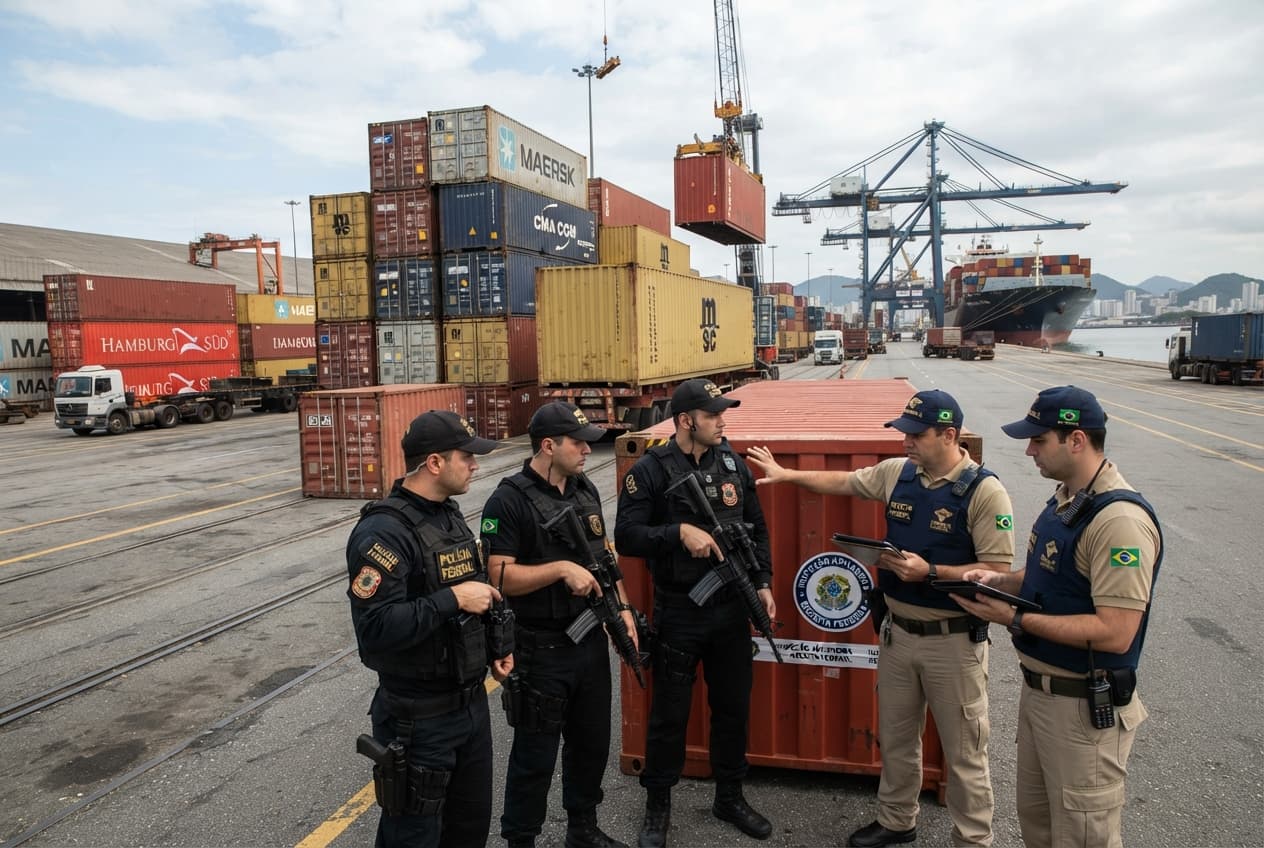
Food distribution logistics face severe bottlenecks due to poor rural road conditions and high fuel costs required for long-distance transport. Aid workers established temporary distribution hubs inside community centers to manage orderly delivery of fortified nutritional packets. Security forces maintain a visible presence at distribution points to prevent panic and ensure equitable allocation among registered families.
Meteorological forecasts project that upcoming seasonal transition periods will offer little structural relief from the punishing thermal anomalies. Hydrologists warn that water tables have dropped to historic minimums, compromising long-term aquifer recharge capabilities across the region. Local farming communities face difficult decisions regarding permanent migration away from traditional agrarian lands.
Humanitarian coordination teams continue updating vulnerability assessments while racing against time to preposition grain supplies before regional reserves vanish entirely. Field teams coordinate closely with local municipal leaders to identify isolated hamlets lacking basic sustenance. Response planners emphasize that recovery timelines will span multiple agricultural cycles even if normal rainfall patterns resume next season.
Published by Banx Network. This article is part of the Banx decentralized media programme, powered by the BXE token on the XRP Ledger.