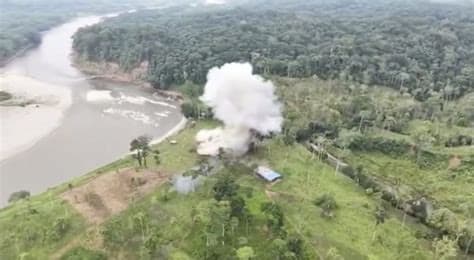
The Pentagon is facing backlash following claims that a recent bombing of a supposed drug camp in Ecuador actually targeted a dairy farm. In early March 2026, Defense Secretary Pete Hegseth announced the success of U.S. operations against drug traffickers. However, local reports suggest that the site—far from being a narco-terrorist facility—was a legitimate farming operation.
Hegseth and his spokesperson Sean Parnell declared that the U.S. military successfully bombed a “narco-terrorist supply complex,” but interviews with the farm's owner and employees reveal a starkly different reality. The farm had been home to over 50 cows and was run by Miguel, who invested roughly $9,000 in the property.
Witnesses claim that Ecuadorian soldiers first burned the farm three days prior to the bombing, while locals assert that no signs of drug activities were present on the property. The military’s narrative aligned with claims made by high-ranking officials, stating the farm was used by a drug trafficking group, but further investigations found no evidence to support these assertions.
The controversy escalated when villagers reported seeing helicopters returning to the site for a second strike, during which they filmed the destruction. Claims of aggression toward farm workers by the soldiers have surfaced as well, including allegations of physical abuse during interrogations.
The bombing and the ensuing reports suggest a troubling pattern, prompting concerns about the integrity of intelligence operations and their consequences on innocent lives. U.S. officials maintain that the bombing was part of a coordinated effort with Ecuadorian forces, but the lack of evidence for drug-related activities at the site raises significant ethical questions regarding military engagement in foreign nations.
Published by Banx Network. This article is part of the Banx decentralized media programme, powered by the BXE token on the XRP Ledger.