
Key Highlights
- Incident Date:Early March 2026, U.S. military bombed a site in Ecuador.
- Claims Disputed:Local reports indicate the site was a dairy farm, not a drug camp.
- Backlash:The Pentagon faces criticism over the bombing and its implications.
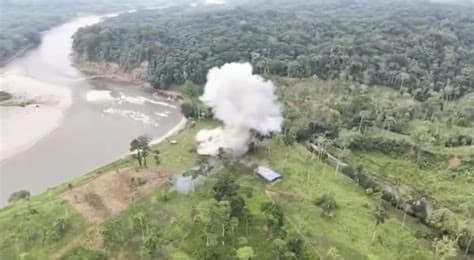
The Pentagon is under scrutiny following revelations that a recent bombing in Ecuador, initially described as targeting a drug camp, actually struck a dairy farm. In early March 2026, Defense Secretary Pete Hegseth proudly announced the success of U.S. military operations against drug traffickers. However, subsequent investigations and local testimonies have painted a different picture, suggesting that the site was a legitimate farming operation rather than a narco-terrorist facility.
Hegseth, along with spokesperson Sean Parnell, claimed that the U.S. military had successfully bombed a “narco-terrorist supply complex.” Yet, interviews with the farm's owner, Miguel, and his employees reveal that the property was home to over 50 cows and that Miguel had invested approximately $9,000 into the farm. These assertions contradict the military's narrative, which aligned with statements from high-ranking officials who claimed the farm was being used by a drug trafficking group.
Witnesses have reported that Ecuadorian soldiers burned the farm three days prior to the bombing, raising questions about the military's intelligence and operational integrity. Locals assert that there were no signs of drug-related activities on the property, further complicating the Pentagon's justification for the attack. The lack of evidence supporting the military's claims has led to significant public outcry and skepticism regarding the accuracy of intelligence operations.
The situation escalated when villagers reported seeing helicopters return to the site for a second strike, capturing footage of the destruction. Allegations of aggression towards farm workers have also emerged, including claims of physical abuse during interrogations conducted by soldiers. These reports highlight a troubling pattern of military engagement that raises ethical concerns about the treatment of innocent civilians in conflict zones.
U.S. officials maintain that the bombing was part of a coordinated effort with Ecuadorian forces to combat drug trafficking. However, the absence of evidence linking the farm to drug activities has sparked a broader debate about the ethical implications of military actions in foreign nations. Critics argue that such operations can lead to devastating consequences for innocent lives and undermine the credibility of U.S. military operations abroad.
As the fallout from this incident continues, it remains to be seen how the Pentagon will address the growing concerns regarding its intelligence practices and the impact of its military actions on civilian populations. The case serves as a stark reminder of the complexities involved in modern warfare and the need for accountability in military operations.
Published by Banx Network. This article is part of the Banx decentralized media programme, powered by the BXE token on the XRP Ledger.



