
Key Highlights
- Over 880 civilian deaths attributed to drone strikes in Sudan in 2026.
- Armed drones increasingly used by Sudanese Armed Forces and Rapid Support Forces.
- Humanitarian operations severely disrupted, risking famine and food shortages.
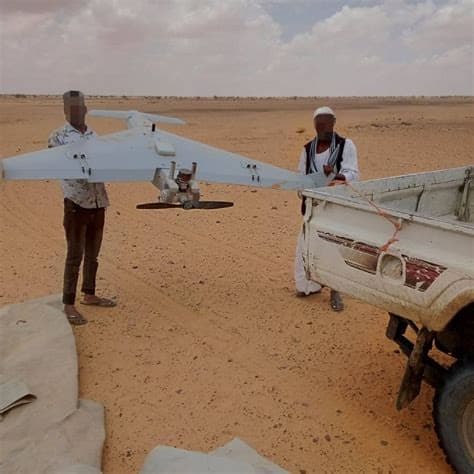
As of May 2026, the conflict in Sudan has reached a critical juncture, with drone warfare emerging as the leading cause of civilian casualties. According to Volker Türk, the UN High Commissioner for Human Rights, more than 880 civilians have died due to drone strikes in just the first four months of the year, accounting for over 80% of all conflict-related civilian deaths. This alarming statistic underscores the devastating impact of aerial assaults on innocent lives amidst an already dire humanitarian crisis.
The Sudanese Armed Forces (SAF) and the paramilitary Rapid Support Forces (RSF) have increasingly turned to armed drones in their ongoing struggle for power, leading to widespread devastation across the country. The Kordofan region has been particularly hard-hit, with civilian infrastructure, including markets and health facilities, repeatedly targeted. A recent drone strike on May 8 reportedly killed 26 individuals in Al Quz, highlighting the indiscriminate nature of these attacks.
The escalation of drone use has fundamentally altered the dynamics of the conflict, allowing hostilities to persist without interruption, even as the region approaches the rainy season, which typically hampers ground operations. The UN has issued a stark warning that unless immediate measures are taken to curb the use of drones, the conflict risks escalating into an even deadlier phase, further displacing innocent civilians and exacerbating the humanitarian crisis.
In addition to the rising death toll, humanitarian operations are now severely disrupted. Many areas in Sudan, particularly Kordofan, are facing heightened risks of famine and acute food shortages, worsened by the ongoing conflict and anticipated supply chain issues stemming from the Gulf crisis. The combination of violence and food insecurity poses a grave threat to the survival of countless civilians caught in the crossfire.
In response to the escalating violence, Türk has called for urgent international action to prevent further arms transfers to the warring parties, particularly advanced drones that could prolong the violence and increase civilian targeting. He emphasized the need for accountability, stating that attacks on civilians must not go unpunished, as such actions are becoming increasingly normalized in the context of this conflict.
The mounting civilian death toll and the dire humanitarian implications paint a bleak picture of a conflict that continues to spiral out of control. The international community is urged to take immediate diplomatic interventions to protect vulnerable populations in Sudan and to address the urgent need for humanitarian assistance in the region. Without swift action, the situation is likely to deteriorate further, leading to more loss of life and suffering among innocent civilians caught in this relentless cycle of violence.
Published by Banx Network. This article is part of the Banx decentralized media programme, powered by the BXE token on the XRP Ledger.



