
Key Highlights
- Incident:An explosive-laden drone struck Tibú Airport, injuring three staff members.
- Perpetrators:Colombian military blames the National Liberation Army for the attack.
- Regional Impact:The incident underscores escalating violence in a lawless border region.
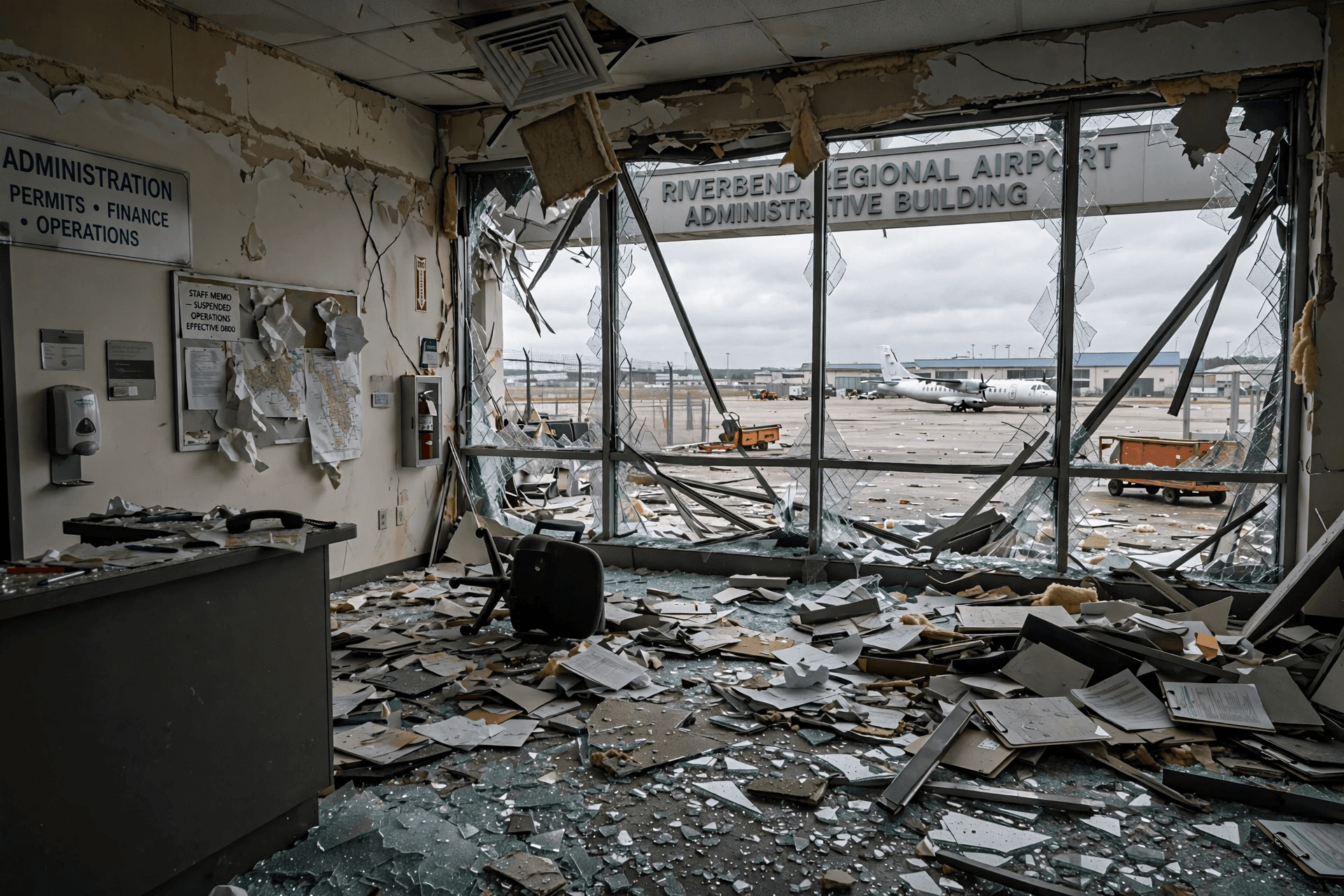
Tibú, Colombia—An explosive-laden drone struck the regional airport terminal here on Thursday, wounding three staff members and shattering the administration building. The blast occurred during standard operating hours, sending a shockwave through the facility that collapsed ceilings and left debris scattered across the tarmac.
The Colombian military immediately identified the source of the attack, pinning the strike on the National Liberation Army (ELN). This region, a lawless strip near the Venezuelan border, has become the primary theater for a brutal struggle between rival armed factions fighting for control of illicit crop routes. The ELN has been known to employ unconventional tactics, and this drone strike marks a significant escalation in their operational capabilities.
Emergency crews spent hours securing the perimeter as fears of a secondary device persisted. Military hardware, including tanks, rolled into the town shortly after the explosion to reinforce the airport and surrounding transport hubs. The shift in tactics is clear, as armed groups abandon traditional ground ambushes for the precision and anonymity of modified commercial drones. This evolution in warfare poses new challenges for security forces tasked with maintaining order in the region.
Three workers were transported to local medical units for treatment. Their conditions remain stable, but the psychological impact on the civilian population in Tibú is immediate. The airport serves as a critical lifeline in a region where road travel is frequently hampered by blockades and extortion. The disruption of air travel could exacerbate the already precarious situation for residents who rely on the airport for essential supplies and services.
This attack serves as a dark signal of the current state of regional security. Incoming government officials have issued an ultimatum for all insurgent groups to surrender, promising a transition to heavy airstrikes once the grace period concludes in early August. The government’s response indicates a potential escalation in military operations, which could further destabilize the area.
The airport remains shuttered while forensic teams comb through the wreckage to analyze the drone’s guidance system. The structural damage to the offices is significant, and officials are already warning of long-term disruptions to local logistics. The investigation continues, but the site remains under high-security lockdown. No further flights are scheduled for the coming days as the army attempts to regain total control of the immediate area.
Guerrilla fighters have been testing these aerial tactics across the department for months. The successful hit on a fortified target like an airport suggests that security protocols for low-altitude airspace are failing to keep pace with the evolving threat. As the situation develops, the implications for both local and national security will be closely monitored by authorities and residents alike.
Published by Banx Network. This article is part of the Banx decentralized media programme, powered by the BXE token on the XRP Ledger.



