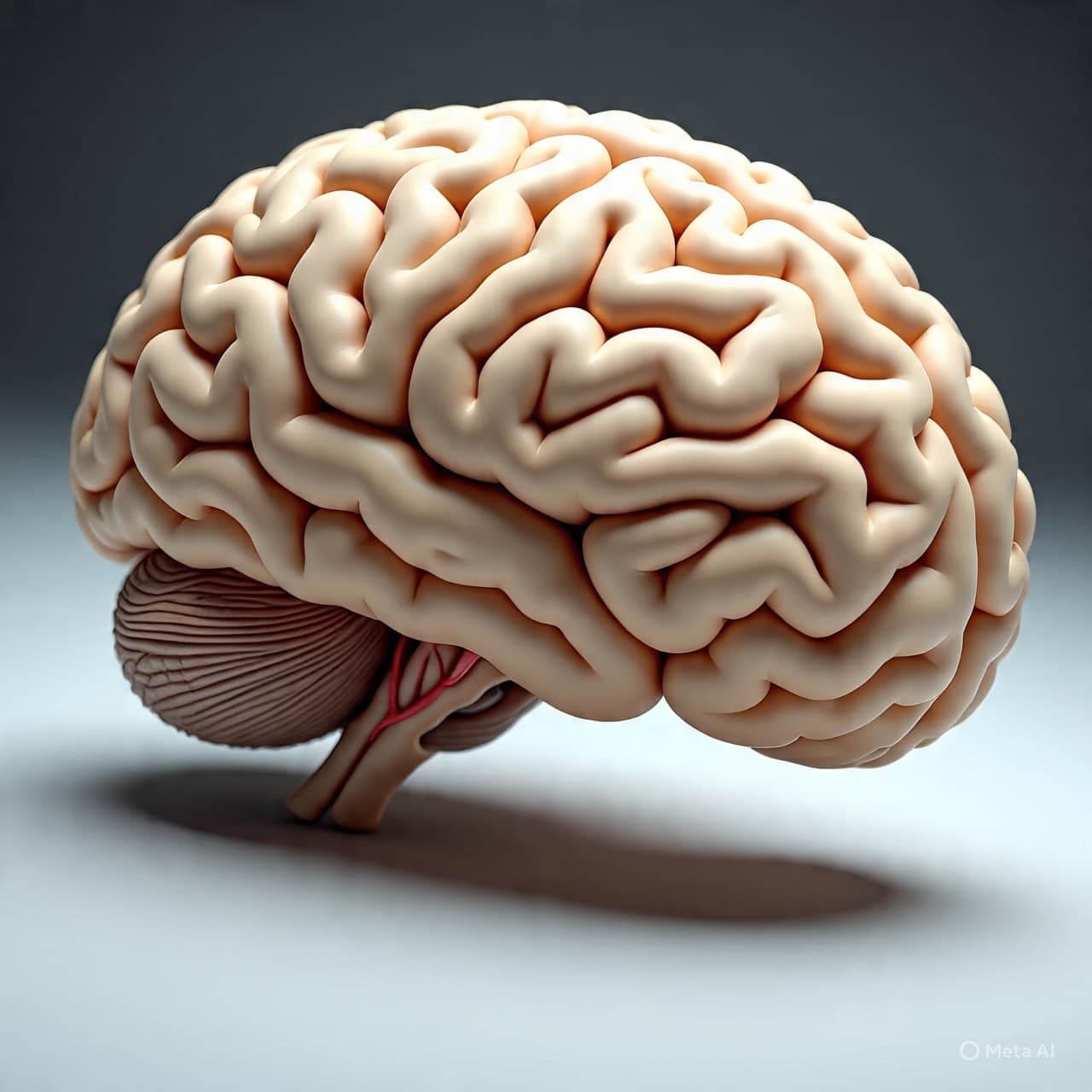
There is a moment, barely perceptible, when the world begins to fade — when the edges of thought blur, sounds soften, and wakefulness gives way to the weightless drift of sleep. Neuroscientists call this the hypnagogic state, a fleeting borderland where consciousness flickers between control and surrender.
Recent brain research has begun to unravel what happens in this mysterious passage. Using high-resolution imaging and electrical recordings, scientists have traced how neural networks gradually decouple from the patterns of waking life. Areas of the brain responsible for attention and sensory input quiet first, while circuits tied to memory and imagination begin to spark erratically — explaining the vivid, dreamlike fragments that often accompany dozing off.
On the return journey — from sleep to wakefulness — the process unfolds in reverse, though not always smoothly. The brain may momentarily become aware before the body does, giving rise to phenomena like sleep paralysis, where consciousness awakens but muscles remain immobilized. Researchers are finding that such disjointed transitions may underlie many sleep disorders, including narcolepsy, insomnia, and parasomnias such as sleepwalking.
In essence, the act of falling asleep and waking up is not a switch being flipped, but a delicate negotiation among brain regions — a synchronized dance of inhibition and reactivation. Disturbances in that rhythm can leave the mind trapped between states, revealing just how thin the veil between dreaming and reality truly is.
As neuroscientists continue to map these transitions, they are uncovering not only the mechanics of rest but also the fragile beauty of consciousness itself — the quiet frontier where thought dissolves and begins again. AI Image Disclaimer: Images are AI-generated for illustrative purposes and do not depict real people or actual research imagery.
Sources: Nature Neuroscience Science The Guardian National Institutes of Health The New York Times
Published by Banx Network. This article is part of the Banx decentralized media programme, powered by the BXE token on the XRP Ledger.