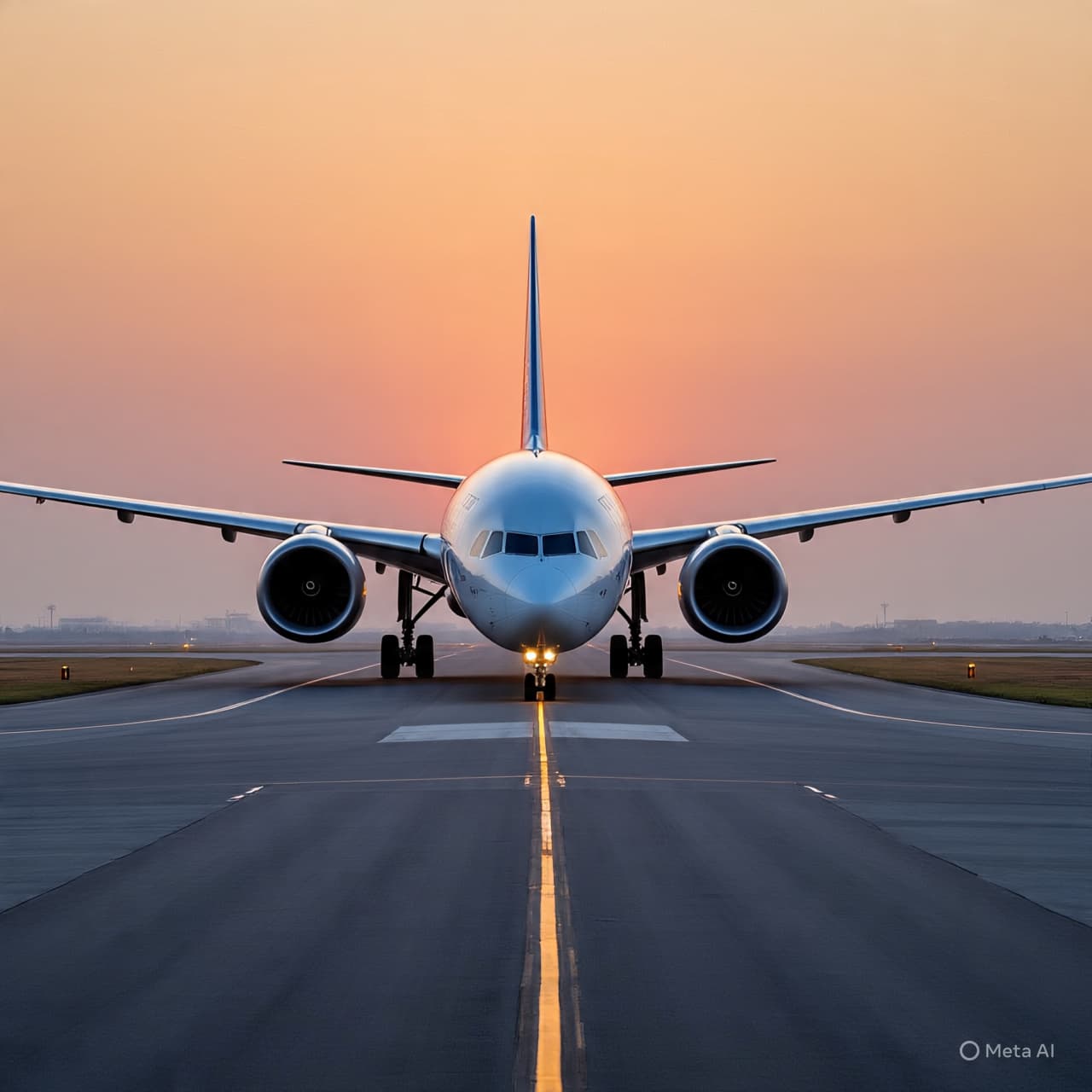
There is a peculiar poetry in flight — a promise of ascension, a tilt toward the horizon that carries hopes, plans, and livelihoods. Yet in the corridors of power far below the wing, that same promise can feel more like the hush before a storm. For American Airlines, one of the world’s most storied carriers, the current moment feels much like that: suspended between aspiration and the weight of harder winds. In recent months, observers from Wall Street to union halls have watched with growing concern as the airline’s performance measures lag behind its fiercest competitors. Delta Air Lines and United Airlines — airlines that share much of the same skies — have consistently reported far stronger profitability, leaving American’s margins and industry positioning a shadow of what many had expected. The gap in earnings has become a metaphorical altitude American has yet to regain, even as other carriers appear to climb steadily upward. The pressure on CEO Robert Isom, who has guided the airline through post-pandemic recovery, has taken on a quiet urgency. What began as reflective questions about strategy have grown into more formal expressions of unease from pilots, flight attendants, and investors alike. A recent meeting agreed to with the airline’s pilots’ union underscores the depth of concerns over operations, culture, and long-term direction — and comes amid broader scrutiny of leadership choices, financial execution, and competitive posture against peers. Across the industry, the airline’s rivals have carved distinctive advantages through premium product investments, international growth, and refined operational execution. In contrast, American’s narrative has had to weave together efforts to strengthen balance sheets, upgrade experiences, and repair confidence in the corporate and labor ranks. At key hubs like Chicago’s O’Hare, the competition is not merely symbolic but a tangible test of whether the airline’s ambitious plans can take flight. Airlines have always been barometers of broader economic and strategic dynamics: fuel prices and labor agreements matter, of course, but so too does leadership vision in interpreting those forces. For American, the current moment is less about crisis and more about calibration — seeking an equilibrium between past commitments and future potential, with the competitive landscape as both mirror and challenge. As the carrier charts its course through 2026, the questions facing its leadership blend measurement with meaning: what does success look like, and how does an airline of such scale reclaim momentum against rivals that seem to soar ahead? The answers may not be swift, but they will shape the airline’s trajectory for years to come. AI Image Disclaimer “Images in this article are AI-generated illustrations, meant for concept only.”
Published by Banx Network. This article is part of the Banx decentralized media programme, powered by the BXE token on the XRP Ledger.