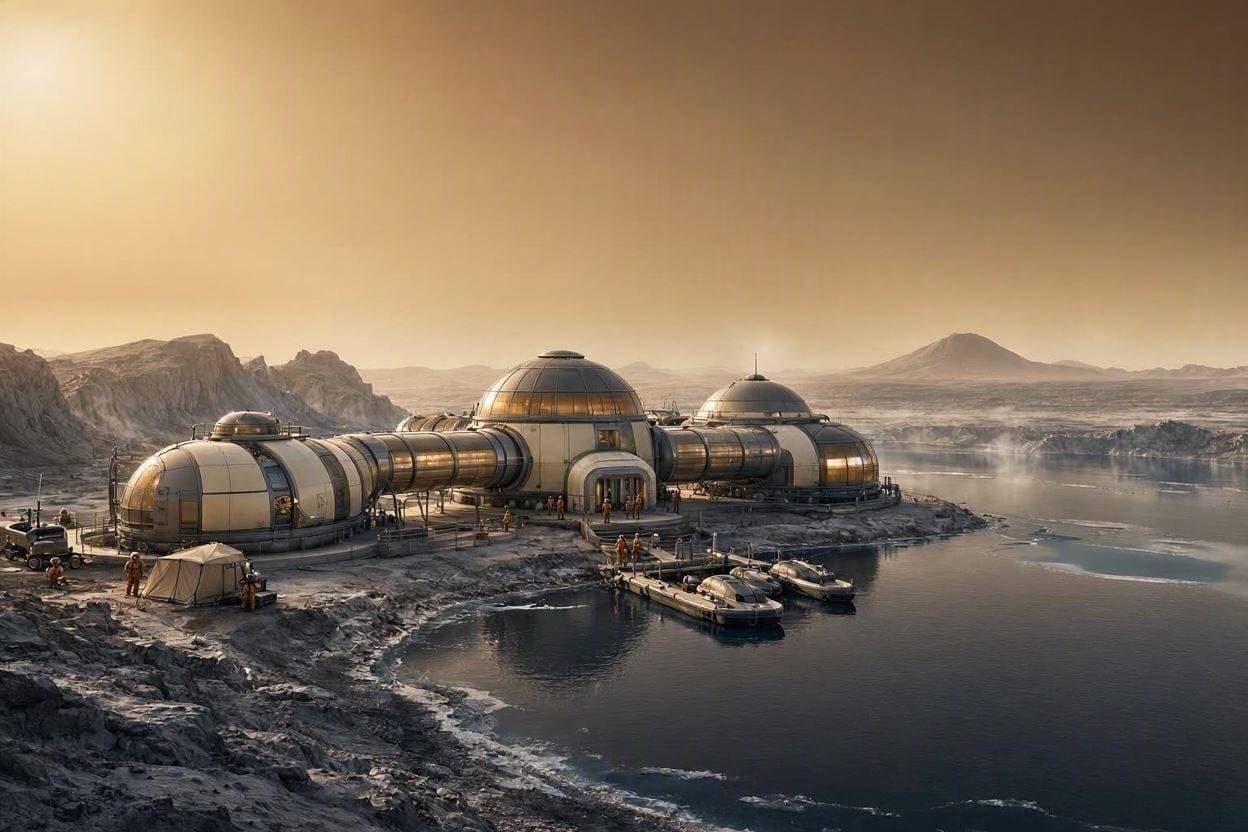
Titan, Saturn’s largest moon, is a world of methane lakes and thick orange haze, a place that feels both alien and strangely familiar. For decades, it has been a target of robotic exploration, but the idea of sending humans there has remained in the realm of science fiction. Recently, a group of scientists and engineers gathered in Boulder, Colorado, to tackle this ambitious goal. Their conclusion was not that it is impossible, but that it requires patience, innovation, and sustained will. This discussion invites reflection on the boundaries of human achievement and the steps needed to cross them. It is a story of vision meeting practicality.
The workshop focused on the technical challenges of a manned mission to Titan. Unlike Mars, which has been the primary focus of recent human spaceflight plans, Titan presents unique hurdles. Its distance from Earth means longer travel times and communication delays. The extreme cold and atmospheric pressure require specialized habitats and suits. However, the abundance of resources, such as water ice and hydrocarbons, offers opportunities for in-situ resource utilization. These factors make Titan a compelling but complex destination.
Participants agreed that the physics of getting to Titan is well understood. Rocket propulsion and trajectory calculations are within current capabilities. The real barriers are technological and logistical. Developing life support systems that can withstand years of travel and harsh conditions is a major task. Radiation shielding, food production, and psychological support for crews are also critical areas needing advancement. These technologies do not yet exist at the required scale.
Commitment is perhaps the most significant factor. A mission to Titan would take decades to plan and execute, requiring consistent funding and political support across multiple administrations. History shows that space programs thrive on long-term vision, from the Apollo era to the International Space Station. Without sustained investment, even the best plans can falter. The workshop emphasized the need for a global coalition to share costs and expertise.
Public engagement plays a crucial role in maintaining momentum. Inspiring the next generation of scientists and engineers ensures a pipeline of talent and innovation. Stories of exploration capture the imagination and drive societal support. Titan, with its mysterious landscapes, has the potential to captivate the public just as the moon did in the 1960s. Narrative is a powerful tool for progress.
As the group dispersed, they carried with them a roadmap for the future. It is not a quick fix but a long journey. The consensus was that while the challenges are immense, they are not insurmountable. With time and dedication, humanity can reach the shores of Titan’s methane seas. The dream is alive.
Scientists and engineers concluded that sending humans to Titan is feasible but requires significant advancements in technology and long-term commitment. The focus is on developing life support and sustainable funding. The hope is for a coordinated global effort to make the mission a reality.
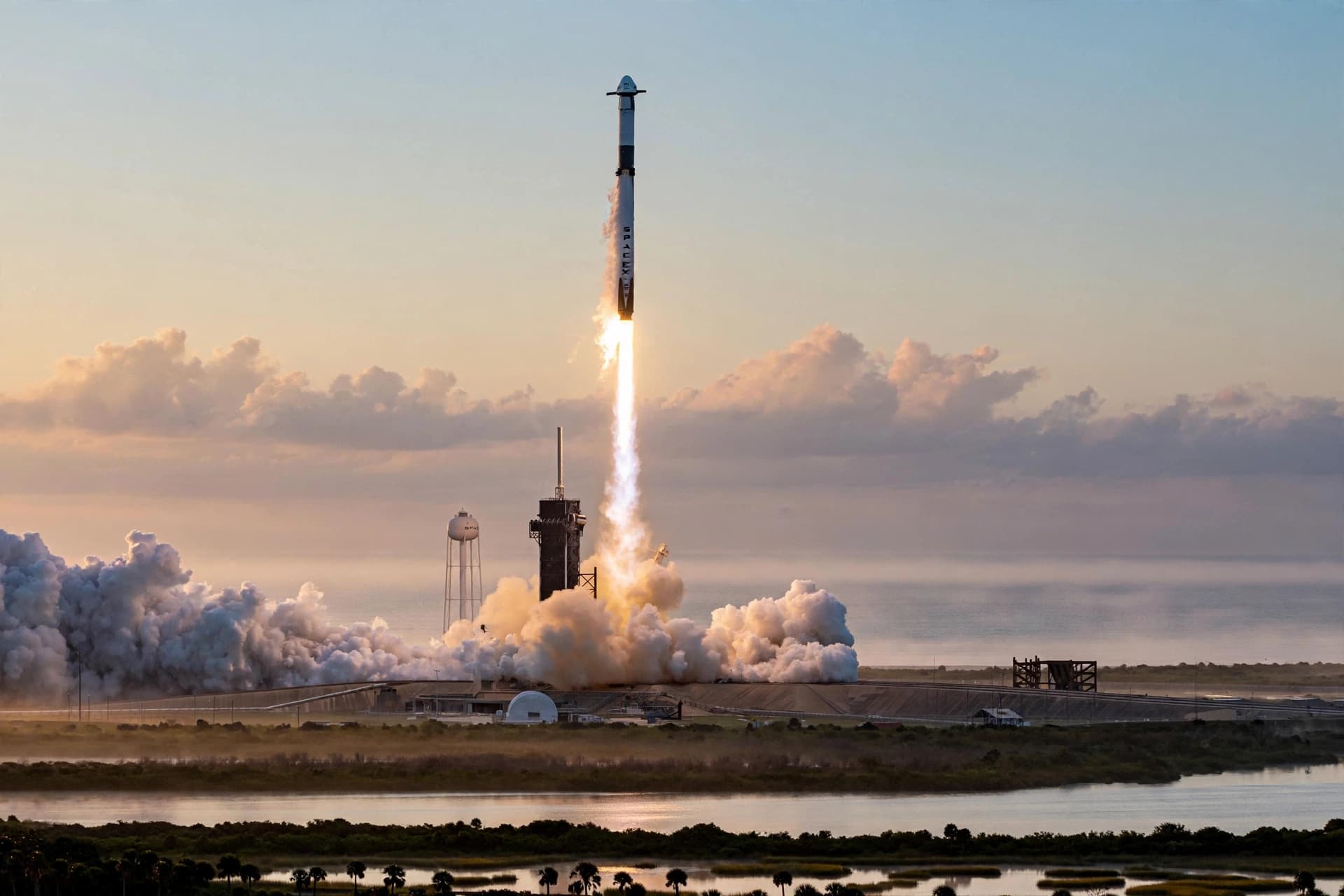
AI Image Disclaimer: The images provided are AI-generated to visually represent the technological and exploratory aspects of the story.
Sources: Planetary Society IEEE Spectrum Local Boulder News Outlets
Published by Banx Network. This article is part of the Banx decentralized media programme, powered by the BXE token on the XRP Ledger.