

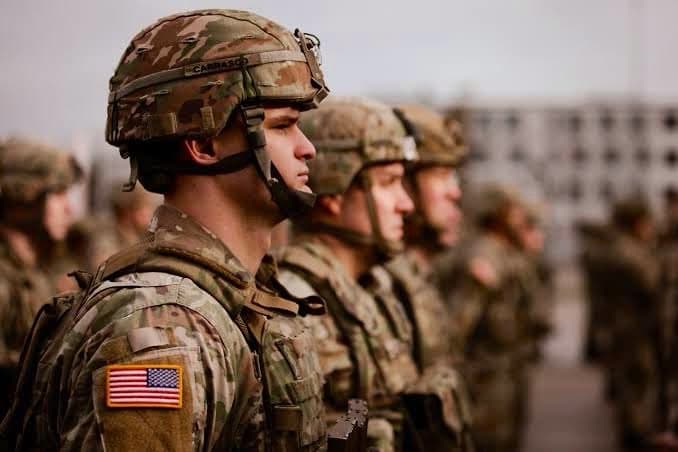
Key Highlights
- Automatic Registration:Eligible males aged 18–25 will be automatically registered for the military draft.
- Implementation Date:The new policy is set to begin in December 2026.
- Privacy Concerns:Critics raise questions about data security and gender equality in national service.
The United States is on the verge of a significant policy shift that could reshape how young men engage with national service. Starting in December 2026, eligible males aged 18 to 25 will be automatically registered for the military draft through existing federal databases. This change, part of reforms within the Selective Service System, marks a departure from the long-standing requirement for individuals to manually register, a process that has been in place for decades.
Historically, young men in the U.S. faced penalties for failing to register, including the loss of federal aid and job opportunities. The new system aims to alleviate this burden by shifting the responsibility of registration from individuals to the government. Proponents of the change argue that it modernizes the registration process, closing compliance gaps and ensuring that millions of young men who may have inadvertently failed to register are included without legal repercussions.
Supporters emphasize that in a rapidly evolving geopolitical landscape, maintaining military readiness is crucial. They argue that automation is a logical step forward in the digital age, allowing for a more efficient and comprehensive approach to national defense. As global tensions rise, the U.S. government is reassessing its defense strategies, and this policy change reflects a proactive stance on preparedness.
However, the proposal has sparked significant debate. Critics express concerns that automatic registration could normalize conscription during a time of heightened global tensions. They question the implications for personal privacy, particularly regarding how personal data will be collected and secured. Additionally, civil liberties groups highlight that the policy currently excludes women, reigniting discussions about gender equality in national service and whether the draft should apply to all citizens equally.
The timing of this announcement is particularly noteworthy. As nations around the world grapple with economic competition and regional conflicts, the U.S. is taking steps to ensure its defense mechanisms are robust. While the draft has not been utilized since the Vietnam War, this policy indicates a shift towards prioritizing preparation over activation, suggesting that the government is keen on being ready for any potential national emergencies.
For young Americans, the implications of this change may seem distant, yet they carry significant symbolic weight. The automatic registration reflects a broader shift in how governments balance individual responsibilities with national security needs. As the conversation around military service evolves, the upcoming implementation of this policy will likely ignite intense debate in Congress and among the public.
As December 2026 approaches, the central question remains: does automatic registration enhance national readiness, or does it redefine the relationship between citizens and the state? The outcome of this discussion will shape the future of military service in the United States and influence how young Americans perceive their role in national defense.
Published by Banx Network. This article is part of the Banx decentralized media programme, powered by the BXE token on the XRP Ledger.




