In the evolving landscape of American dining, the plate has become a canvas for cultural and political expression. The rise of plant-based alternatives has sparked a lively debate about food, health, and tradition. Recently, the U.S. Secretary of Agriculture, appointed by former President Trump, voiced strong opposition to what he termed the "fake meat" push by Democratic policymakers. His message was direct and rooted in a celebration of traditional agriculture: "Don't stop eating meat." This statement reflects a broader ideological divide over the future of food production and the role of government in shaping dietary choices.
The controversy centers on efforts by some lawmakers to promote plant-based proteins as sustainable alternatives to conventional livestock farming. Proponents argue that reducing meat consumption can lower greenhouse gas emissions and improve public health. They view government incentives for alternative proteins as a necessary step toward environmental stewardship. However, critics see these initiatives as an overreach that threatens the livelihoods of ranchers and farmers who have sustained rural economies for generations.
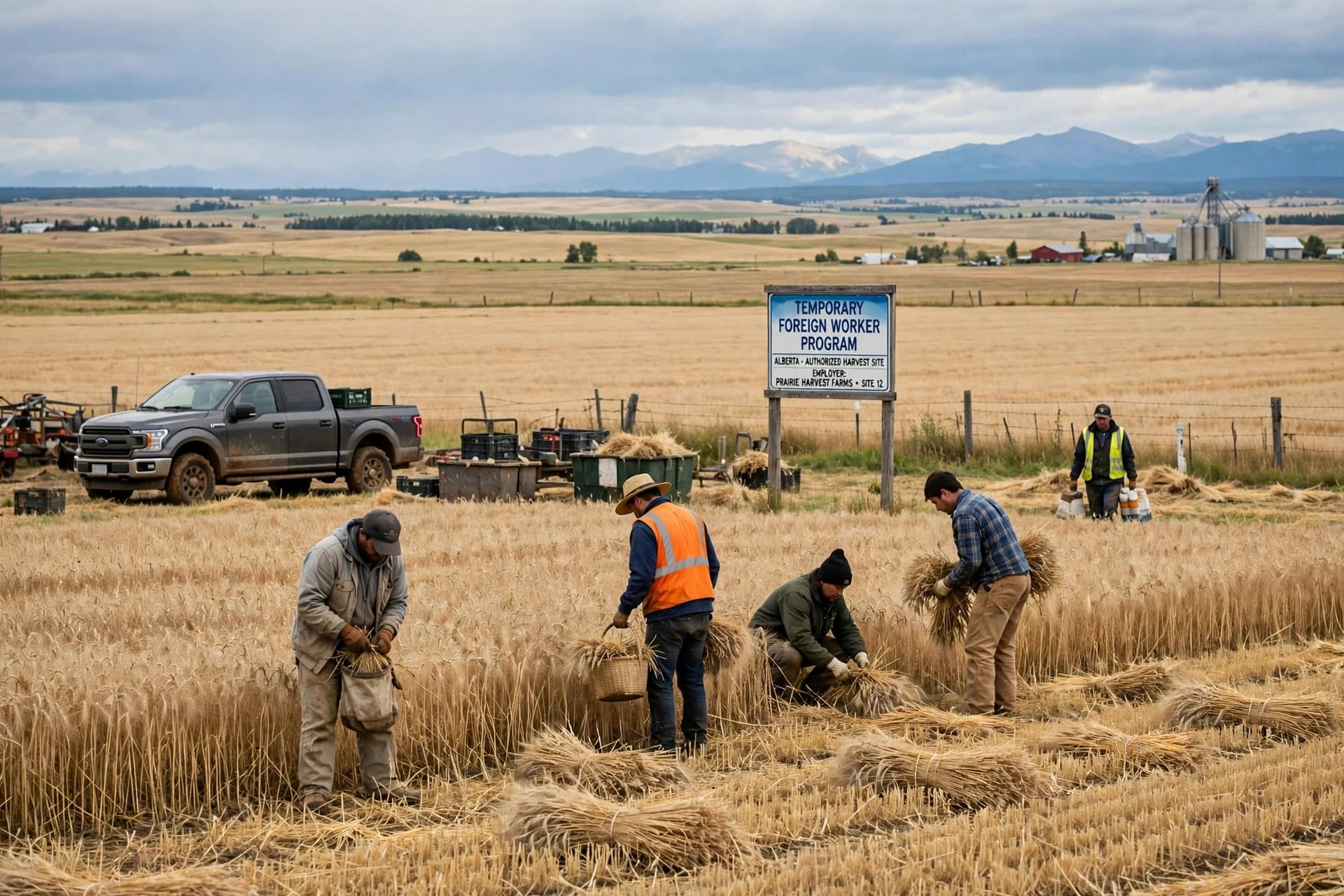
The Secretary’s comments resonate with many in the agricultural sector, who feel that their contributions are often misunderstood or undervalued in urban-centric policy discussions. For them, meat production is not just an industry but a way of life, deeply intertwined with heritage and community identity. The rejection of "fake meat" is thus a defense of this cultural legacy, asserting the value of traditional farming practices in a modern world.
Nutritional perspectives also play a role in the debate. While plant-based diets offer certain health benefits, many Americans value meat as a primary source of protein and essential nutrients. The Secretary’s stance emphasizes choice and variety, arguing that consumers should not be pressured to abandon traditional foods. He advocates for a balanced approach that supports both conventional agriculture and innovation, without favoring one at the expense of the other.
The political implications of this food fight are significant. Rural voters, a key constituency for the Republican party, view attacks on meat consumption as symbolic of broader cultural dismissals. By framing the issue as a matter of freedom and tradition, politicians can mobilize support and reinforce partisan identities. The dinner table, it seems, has become another battleground in the nation’s ongoing culture wars.
Industry stakeholders are watching closely, as policy decisions can influence market trends and investment flows. Meat producers are investing in sustainability improvements to address environmental concerns, while alternative protein companies continue to innovate. The coexistence of these sectors may depend on policies that encourage competition rather than restriction. Dialogue between traditional and emerging industries could lead to more holistic solutions.
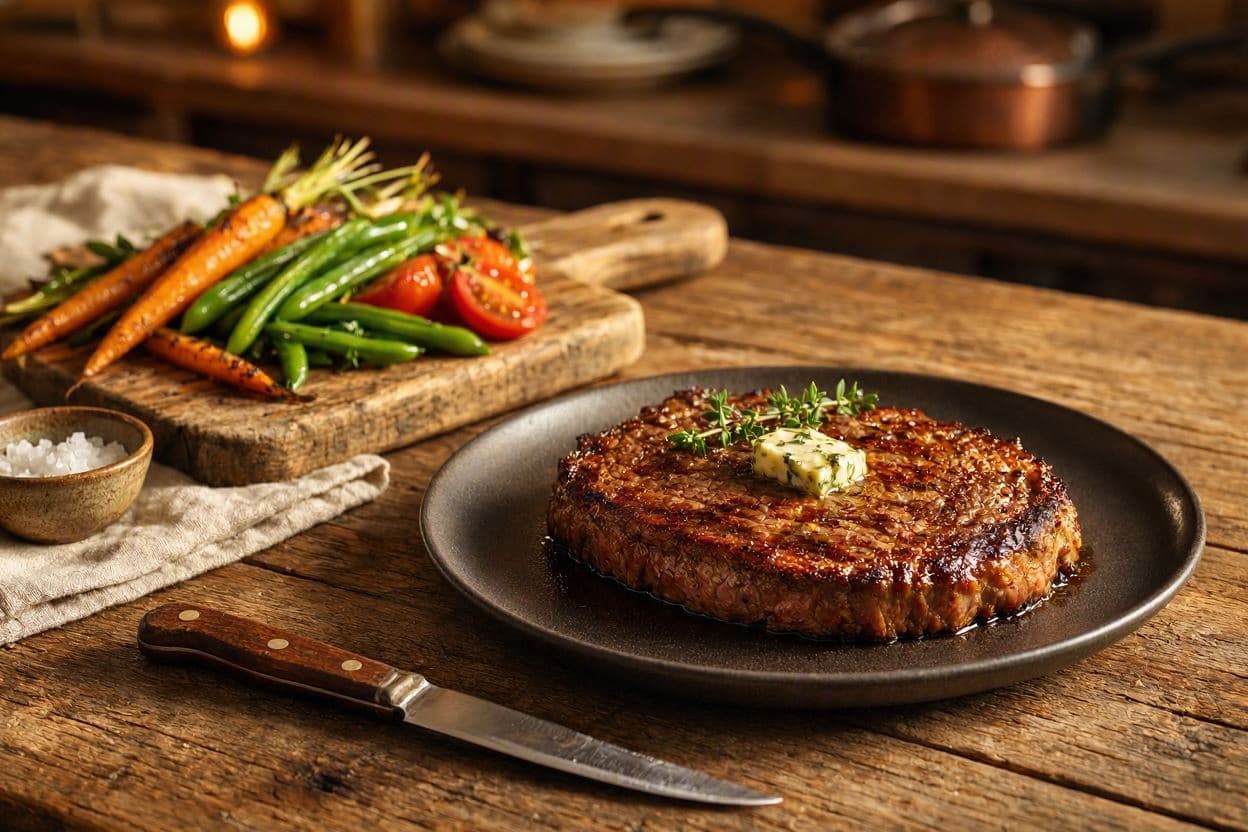
As the discussion continues, the focus remains on the consumer’s right to choose. Whether one prefers a steak or a plant-based burger, the availability of options is key. The Secretary’s remarks serve as a reminder that food policy is deeply personal, touching on values, health, and identity. In a diverse nation, accommodating these differences is essential for social cohesion.
The Agriculture Secretary’s rejection of the "fake meat" agenda highlights the political and cultural tensions surrounding food policy, emphasizing support for traditional livestock farming and consumer choice.
AI Image Disclaimer: The images referenced in this piece are AI-created visualizations meant to evoke the setting, not direct documentation of the scientific data.
Sources: Fox News The Hill Agri-Pulse Washington Examiner
Published by Banx Network. This article is part of the Banx decentralized media programme, powered by the BXE token on the XRP Ledger.