
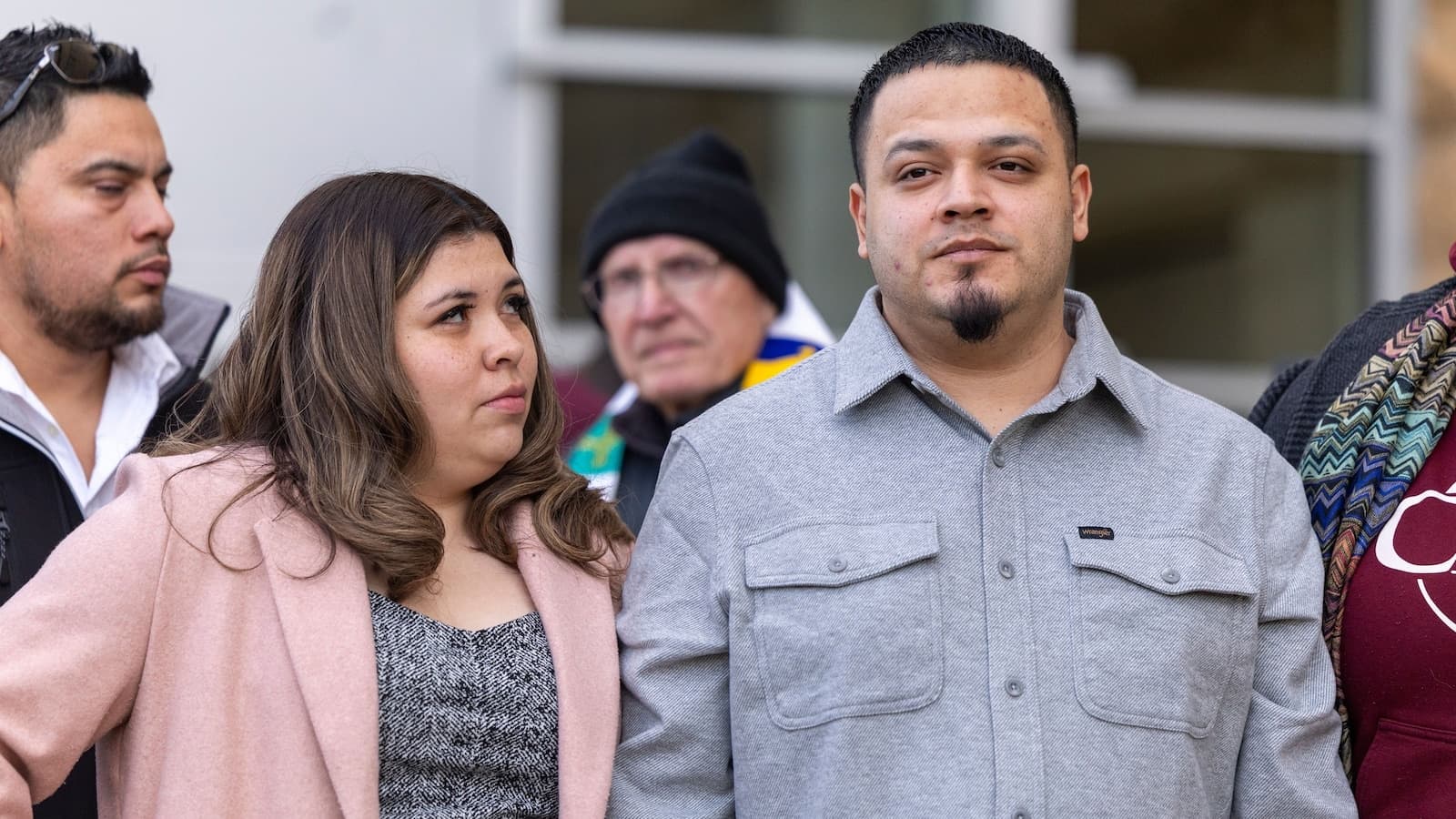
In a significant legal development, a judge has disclosed that the Department of Justice (DOJ) only moved to prosecute Kilmar Abrego Garcia following a mistaken deportation, an incident that has sparked considerable debate regarding immigration enforcement practices and the judicial process.
Garcia, who was mistakenly deported, was later found to have valid grounds for legal residency in the U.S., which complicates efforts to prosecute him. The revelation from the judge's order highlights concerns about the decision-making process within the DOJ and its implications for individuals caught in the immigration system.
The deportation, deemed erroneous by the court, prompted scrutiny over how such mistakes occur and the protocols in place to prevent them. Advocates for immigrant rights have pointed to this case as indicative of larger systemic issues within immigration enforcement, emphasizing the need for accountability and reform to protect the rights of individuals.
Garcia’s case has drawn attention not only for its legal ramifications but also for raising broader questions about the impact of immigration policies on families and communities. As discussions continue, stakeholders are examining how this incident could influence future cases and the enforcement of immigration laws.
As the DOJ prepares its response amid increasing pressure, the broader implications of this case are likely to resonate across legal and advocacy circles, drawing calls for transparency and improved practices in the handling of immigration cases. The outcome of the prosecution will be closely monitored as it unfolds in the coming weeks.
Published by Banx Network. This article is part of the Banx decentralized media programme, powered by the BXE token on the XRP Ledger.

.jpg&w=3840&q=75 "US Declares Drought Disaster for Parts of Puerto Rico as Dry Conditions Persist")