In the grand, humming machinery of our daily lives, there are certain rhythms we take for granted—the steady pulse of traffic, the reliable glow of a service station sign against a twilight sky, and the simple assurance that the journey can always continue. We move through the landscape with a quiet confidence, rarely pausing to consider the intricate web of pipes, tankers, and global tides that keep our world in motion. However, as the golden hues of March settle over the continent, a new and unsettling stillness has begun to creep across the forecourts of New South Wales. It is as if a long, flowing melody has suddenly encountered a series of missed notes, leaving travelers and locals alike to wonder when the full song will return.
Across the sprawling reach of New South Wales, from the neon-lit corners of Sydney to the dust-brushed horizons of the regional heartland, one in seven service stations now stands with at least one pump shrouded in "out of order" tape. This is not a story of a dry well, but rather one of a glass that is full yet struggling to reach the thirsty. The fuel is there, arriving at our ports like a promise kept, but the path from the coast to the community has become a labyrinth of logistical strain and heightened anxiety. In the quiet moments at the bowser, there is a palpable sense of reflection; we are forced to see the fragility in the systems we deemed invisible, realizing that our collective haste to fill every tank and jerry can may have inadvertently slowed the very flow we seek to secure.
Thousands of kilometers to the west, where the red earth meets the sea, a different kind of conversation is taking place—one centered on the clarity of the water rather than the volume of the flow. The Western Australian Premier has issued a firm yet measured call for transparency, a reminder that in times of uncertainty, information is as vital as the resource itself. It is a plea for the keepers of the fuel to share the map of their supply, ensuring that no town is left in the dark and no industry is forced to stall for lack of foresight. This dialogue between the state and the supplier is a metaphor for the social contract: a reminder that the privilege of providing a public necessity carries with it the profound responsibility of honesty.
Currently, official data confirms that 347 of the 2,414 registered service stations in New South Wales are experiencing temporary shortages of at least one fuel type, with diesel being the most significantly impacted. NSW Premier Chris Minns has utilized emergency powers to mandate that major fuel companies provide real-time data on their stock levels to help coordinate distribution to regional pressure points. Meanwhile, in Western Australia, Premier Roger Cook has warned suppliers that the government will not tolerate "opaque" supply chains, emphasizing the importance of the FuelWatch system to prevent price gouging and panic. While the federal government has released a portion of national strategic reserves to bolster the market, authorities continue to urge motorists to maintain normal purchasing habits to allow the distribution network to stabilize over the coming days.
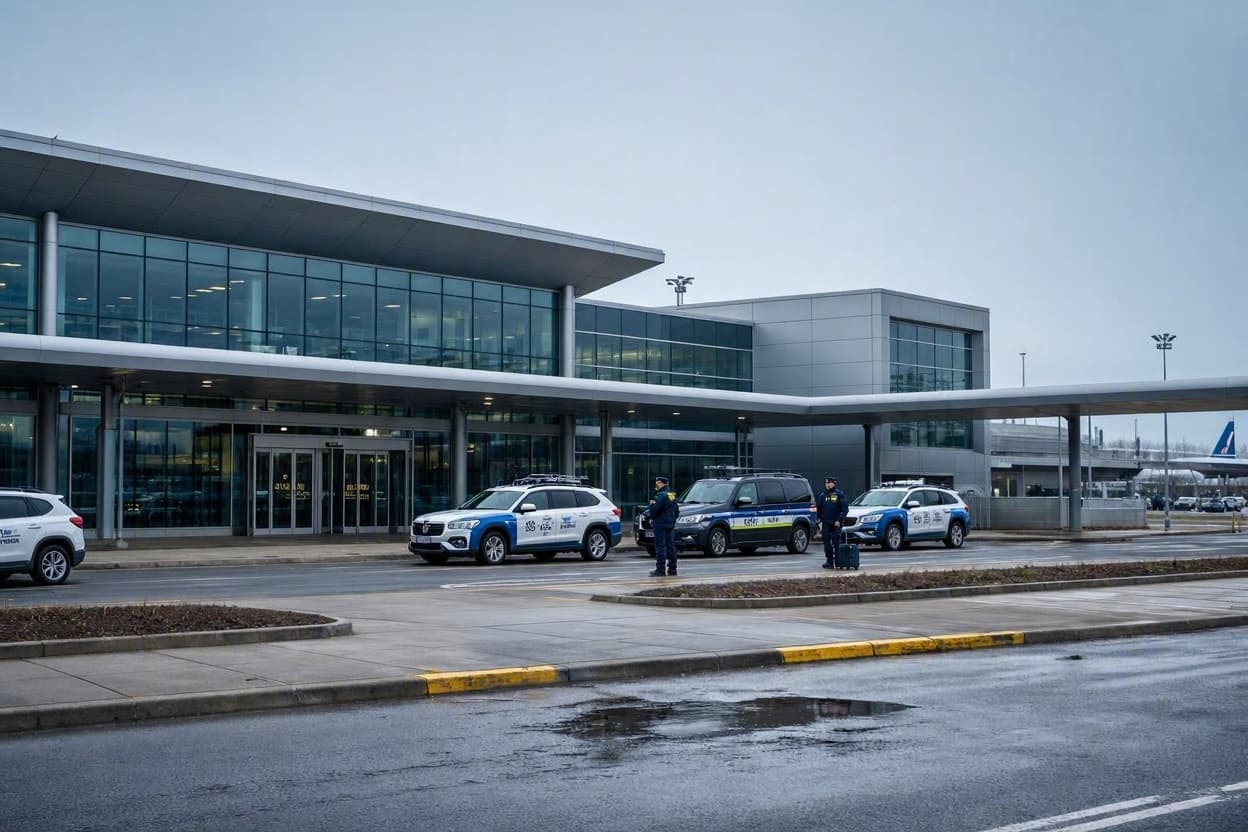
AI Image Disclaimer: Illustrations were produced with AI and serve as conceptual depictions.
Source Check The Guardian ABC News NSW Government (Official Ministerial Statements) WA Government (Official Media Statements) The Sydney Morning Herald
Published by Banx Network. This article is part of the Banx decentralized media programme, powered by the BXE token on the XRP Ledger.