In a quiet revision of long-held assumptions about stellar evolution, astronomers have found that young stars similar to the Sun lose their X-ray brightness far more quickly than previously believed, reshaping how scientists understand the early life of stars.
The findings come from observations using space-based telescopes that track high-energy radiation emitted by stars in their formative stages. X-rays are a key indicator of stellar activity, particularly magnetic turbulence, which tends to be more intense in younger stars.
Traditionally, scientists assumed that Sun-like stars would maintain strong X-ray emissions for hundreds of millions of years before gradually dimming. However, new data suggests that this decline happens much earlier, within a significantly shorter timescale.
This discovery carries important implications for the study of planetary systems. High levels of X-ray radiation can influence the atmospheres of nearby planets, potentially stripping gases or altering chemical compositions. A faster decline in radiation could mean that planets stabilize earlier than expected.
Researchers analyzed clusters of stars at different ages to compare their X-ray output. By constructing a timeline of stellar activity, they identified a sharper drop-off in emissions than models had predicted. This suggests that the processes governing magnetic activity may evolve more rapidly.
The findings also prompt a reassessment of how scientists model the early Sun. Understanding its past behavior is essential for reconstructing the conditions under which Earth and other planets formed and developed.
Astronomers note that the research does not overturn existing theories but refines them. Stellar evolution remains a complex process influenced by mass, rotation, and magnetic fields, all of which continue to be studied in greater detail.
The study underscores the value of long-term observational data, particularly from space missions dedicated to monitoring stellar environments. As more data becomes available, further adjustments to models are expected.
In the steady unfolding of cosmic knowledge, even small shifts in understanding can illuminate larger truths, offering a clearer view of how stars—and the worlds around them—quietly come of age.
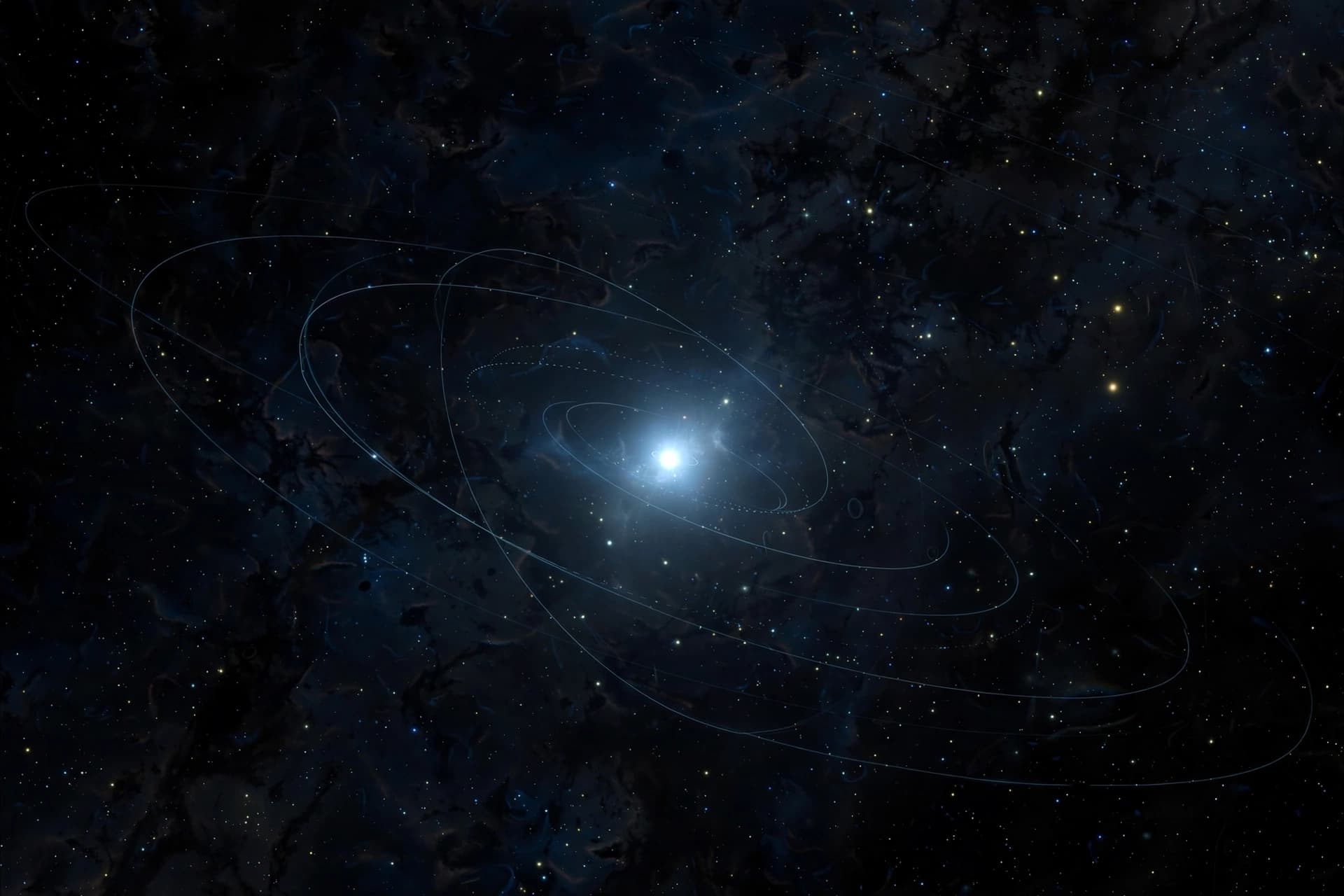
AI Image Disclaimer: Visuals included with this article are AI-generated representations designed to support scientific understanding.
Sources: NASA, Space.com, ScienceDaily, The Astrophysical Journal
Published by Banx Network. This article is part of the Banx decentralized media programme, powered by the BXE token on the XRP Ledger.