There’s a small moment of choice we rarely think about: standing over a fruit bowl, deciding whether today calls for a greenish banana, a perfectly yellow one, or a speckled brown sweetener masquerading as fruit. It feels trivial, almost instinctive. Yet nutrition researchers say this quiet decision carries a surprising amount of physiological weight — because the ripeness of a banana alters how our bodies respond to it.
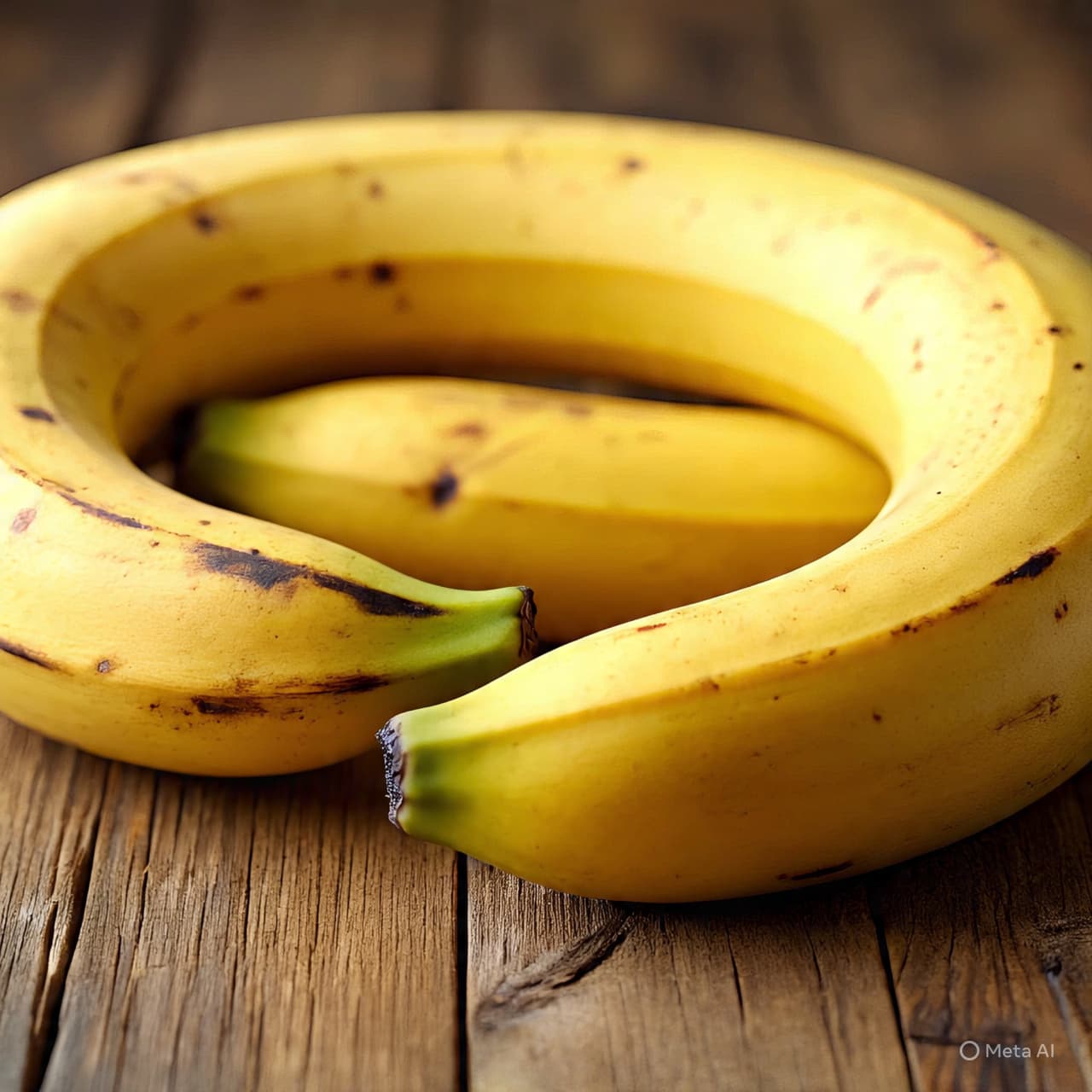
Bananas begin their journey rich in resistant starch, the slow-digesting carbohydrate that asks the gut to work a little harder. In their greener stage, they behave more like whole grains than dessert. For people watching blood sugar fluctuations, that firmness often masks a gentler metabolic response. But as the banana softens and its color warms into yellow, those complex starches begin a chemical slide toward simple sugars, shifting its personality from starchy to sweet.
By the time brown speckles appear, the fruit has transformed again. The texture grows creamy, the flavor becomes richer, and the digestion is quicker. Some studies referenced by nutrition researchers suggest that these later stages may increase the fruit’s antioxidant potential, giving fully ripe bananas a subtle edge for immune support. But the trade-off is speed: the sugars enter the bloodstream faster, offering energy with an almost impulsive tempo.
There is no morally superior banana stage — only the one that fits the body in front of it. Endurance athletes often reach for speckled bananas because they deliver a quick burst of fuel. Meanwhile, those managing blood sugar prefer the slightly under-ripe version for its steady, moderated effect. And for many people, the question is even simpler: they choose the flavor that feels comforting on a given afternoon.
Health scientists say this conversation mirrors a larger truth about nutrition: even something as ordinary as a fruit evolves, and our relationship with it can evolve too. Green bananas help with satiety; mid-ripe ones offer balance; ripened brown-speckled bananas bring energy and sweetness at the cost of slower control. Understanding that spectrum doesn’t turn the fruit bowl into a science lab — it simply makes the everyday choice a bit more intentional.
As dietary experts often note, the banana’s real value lies in its versatility. Whether firm or soft, it remains a source of potassium, fiber, and small but meaningful nutrients that support overall health. But knowing how ripeness changes its behavior gives eaters an extra layer of awareness — a reminder that food, even the simplest kind, is a living story of change.
Published by Banx Network. This article is part of the Banx decentralized media programme, powered by the BXE token on the XRP Ledger.