Trade statistics rarely feel emotional. They arrive as percentages and charts, abstract enough to conceal the lives behind them. Yet the latest figures on British farm exports to the European Union tell a quieter, heavier story—one of distance widening where proximity once mattered most.
Since Brexit, sales of British farm products to the EU have fallen by 37%. On paper, it is a correction, a rebalancing, a shift toward new markets. On the ground, it has felt more like an interruption. Goods that once moved easily across borders now pause for checks, paperwork, and costs that accumulate slowly but relentlessly.
For decades, geography did most of the work. Fresh produce crossed the Channel quickly, reliably, and with minimal friction. The EU was not just a trading partner; it was the natural extension of British agriculture’s supply chain. Brexit did not erase demand, but it changed the rhythm. Time-sensitive products—meat, dairy, seafood, fruit—are less forgiving of delay, and buyers are less patient when alternatives exist closer to home.
Farmers describe the loss not as a single rupture, but as a series of small decisions made by overseas customers. A contract not renewed. A supplier quietly replaced. An order reduced, then stopped. The cumulative effect is captured in the 37%, but the process itself unfolded gradually, almost politely.
Some producers have adapted. Others have redirected exports further afield, chasing growth in Asia or the Middle East. But distance introduces its own vulnerabilities—longer transport, higher costs, and exposure to global volatility. For smaller farms, the margins are thin enough that adaptation feels less like strategy and more like endurance.
The decline also reflects the uneven nature of post-Brexit trade. While services dominate the UK economy, agriculture is rooted in land, season, and perishability. It cannot pivot quickly. When friction appears, it settles deepest where flexibility is lowest.
Politically, the figures complicate a familiar narrative. Brexit was framed as liberation, a chance to strike bespoke trade deals and reassert control. What the export data suggests instead is a trade-off: autonomy gained, efficiency lost. Sovereignty does not move goods. Systems do.
None of this implies inevitability. Trade flows evolve. Standards can align, processes can improve, and trust can be rebuilt. But trust in trade is cumulative, like soil health—it depends on consistency more than rhetoric. Once disrupted, it takes time to restore.
The 37% drop is not merely an economic adjustment. It is a measure of distance newly felt between fields and markets that once functioned as one. Whether that distance narrows again will depend less on ambition than on the slow work of rebuilding pathways that agriculture, by its nature, relies upon.
For now, the numbers stand quietly on the page, marking a change that farmers have already lived through—season by season, shipment by shipment, in the long aftermath of a political decision that continues to move through the countryside.
AI Image Disclaimer
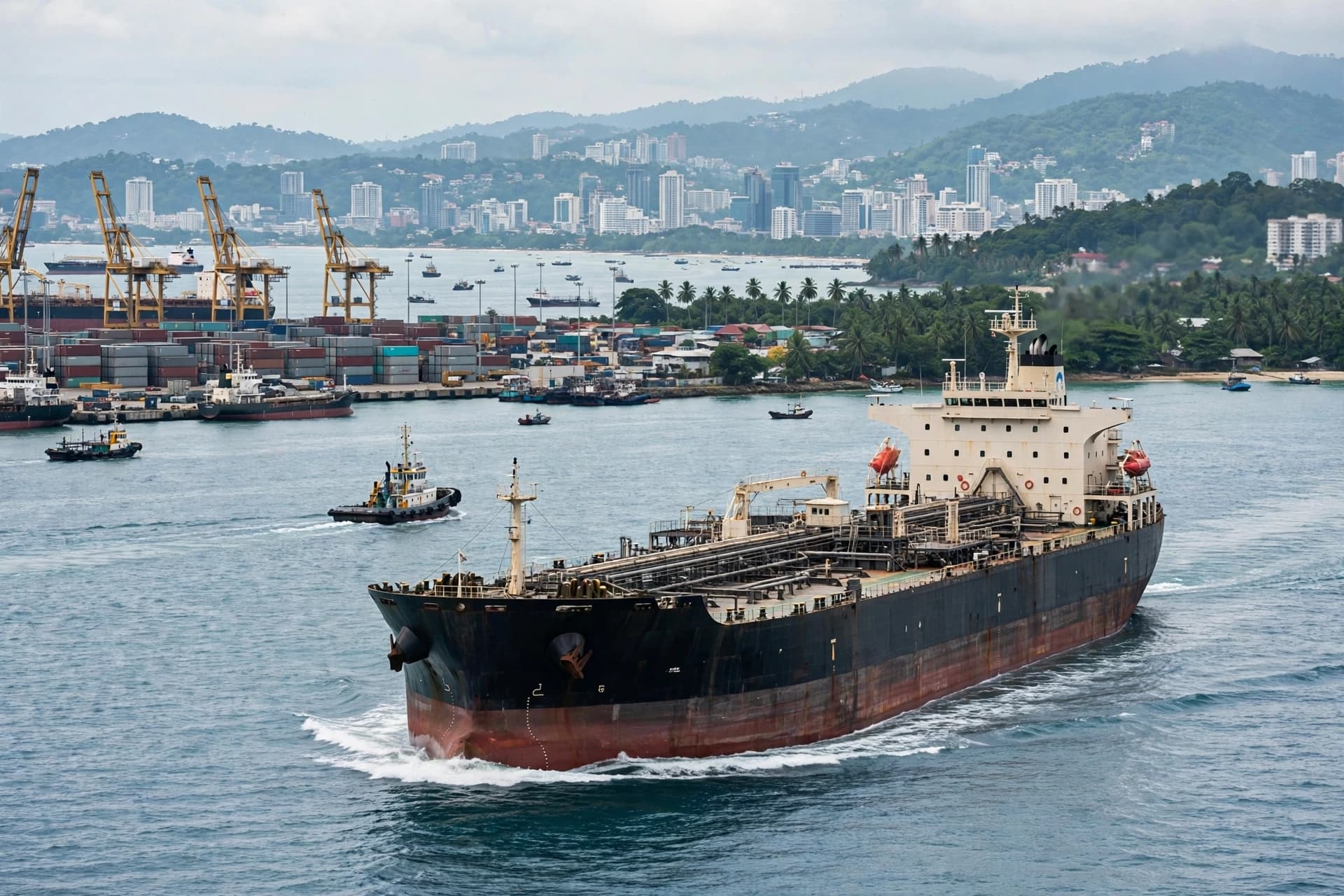
Visuals are AI-generated and serve as conceptual representations.
Sources
UK Department for Environment, Food & Rural Affairs Office for National Statistics Financial Times Institute for Government
Published by Banx Network. This article is part of the Banx decentralized media programme, powered by the BXE token on the XRP Ledger.