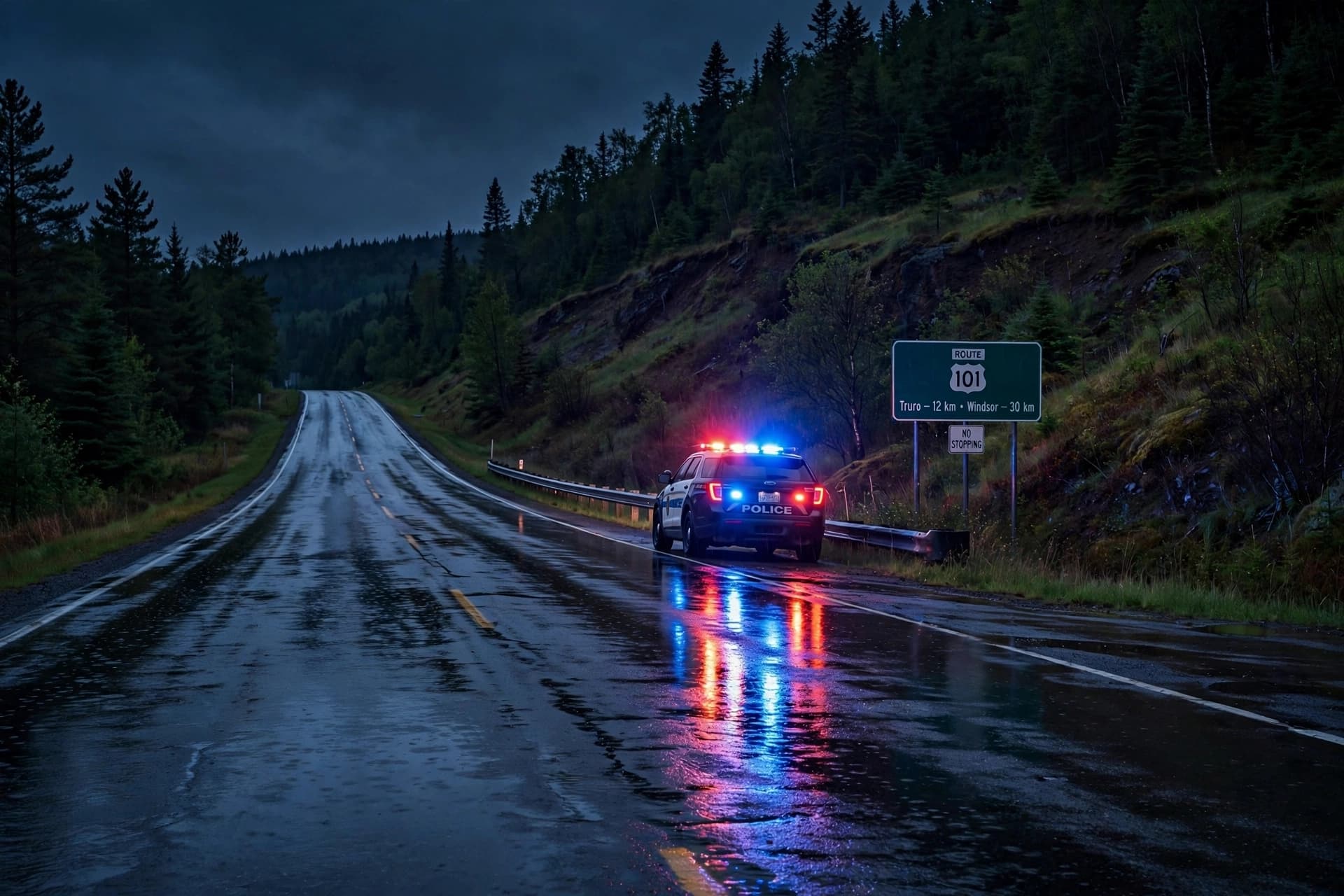
There is a particular kind of quiet that settles over coastal communities when a storm decides, at the last possible moment, to turn its gaze elsewhere. It is not quite relief, nor is it the calm of safety—it is something closer to suspended breath, a collective pause before the ordinary rhythms of life resume. This week, two storms in two different oceans offered that pause: one fierce and distant, the other fading as it drifted away from shore.
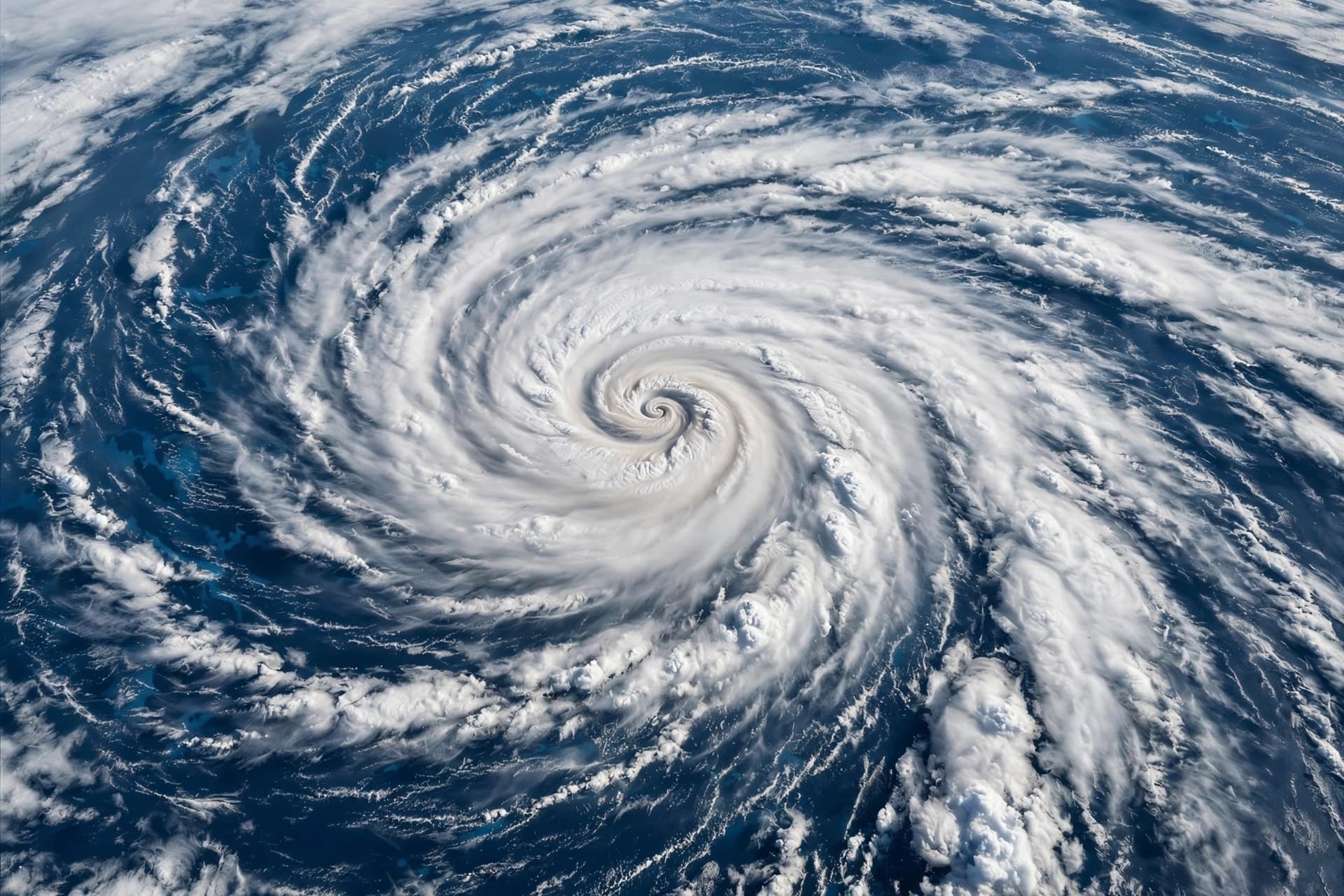
Typhoon Champi, a powerful system that had earlier brushed past Guam, intensified into a Category 5 super typhoon over the Philippine Sea, according to the U.S. National Weather Service. By late Monday Asia time, its maximum sustained winds had reached 160 mph, a force capable of rearranging landscapes and rewriting the plans of any community in its path. Yet the storm was not near land, moving instead across open water where its fury could be spent without consequence.
The islands of Guam and the Northern Mariana Islands, however, were not entirely spared the storm's shadow. Though Champi had passed close by days earlier, the governors of both territories requested emergency disaster declarations, and President Trump approved federal assistance for Guam. Airports, harbors, and some health facilities had closed, and the Federal Emergency Management Agency noted that relief supplies were unlikely to reach the islands for three to five days. The storm's physical center had moved on, but its wake left behind the quiet work of restoration.
Far to the east, off Mexico's Pacific coast, Hurricane Trudy was following a different script entirely. What had once been a Category 1 storm with winds of 80 mph began weakening rapidly after lashing coastal areas with rain and wind. By Monday, Trudy had been downgraded to a tropical storm, its center forecast to pass south of the Baja California Peninsula as it moved away from land. Mexico's government discontinued all hurricane and tropical storm warnings along the coast, though residents in the southwestern and west-central regions were gently urged to remain alert.
There is a rhythm to these storms that feels almost deliberate, as though the atmosphere itself is weighing something. Champi strengthened while remaining over water; Trudy weakened as it pulled away from the shore. Neither delivered the catastrophic blow that forecasters had feared, yet both demanded attention, resources, and a certain humility before the forces that shape our coastlines.
For Guam and the Northern Mariana Islands, the coming days will be measured in the arrival of supplies, the reopening of airports, and the slow return of routine. For Mexico's Pacific coast, the measure will be simpler: the rain will taper, the winds will soften, and the sea will settle back into its familiar patterns.
The U.S. National Weather Service continued to monitor both systems, though the immediate threat from each had largely passed. The Atlantic hurricane season, meanwhile, remained unusually quiet—a reminder that the absence of one kind of storm does not mean the absence of all weather, only that the planet's attention is elsewhere for now.
Images in this article are AI-generated.
Sources: The Canadian Press, Associated Press, CNN, The Guardian, U.S. National Weather Service, WCVB, Free Malaysia Today
Published by Banx Network. This article is part of the Banx decentralized media programme, powered by the BXE token on the XRP Ledger.