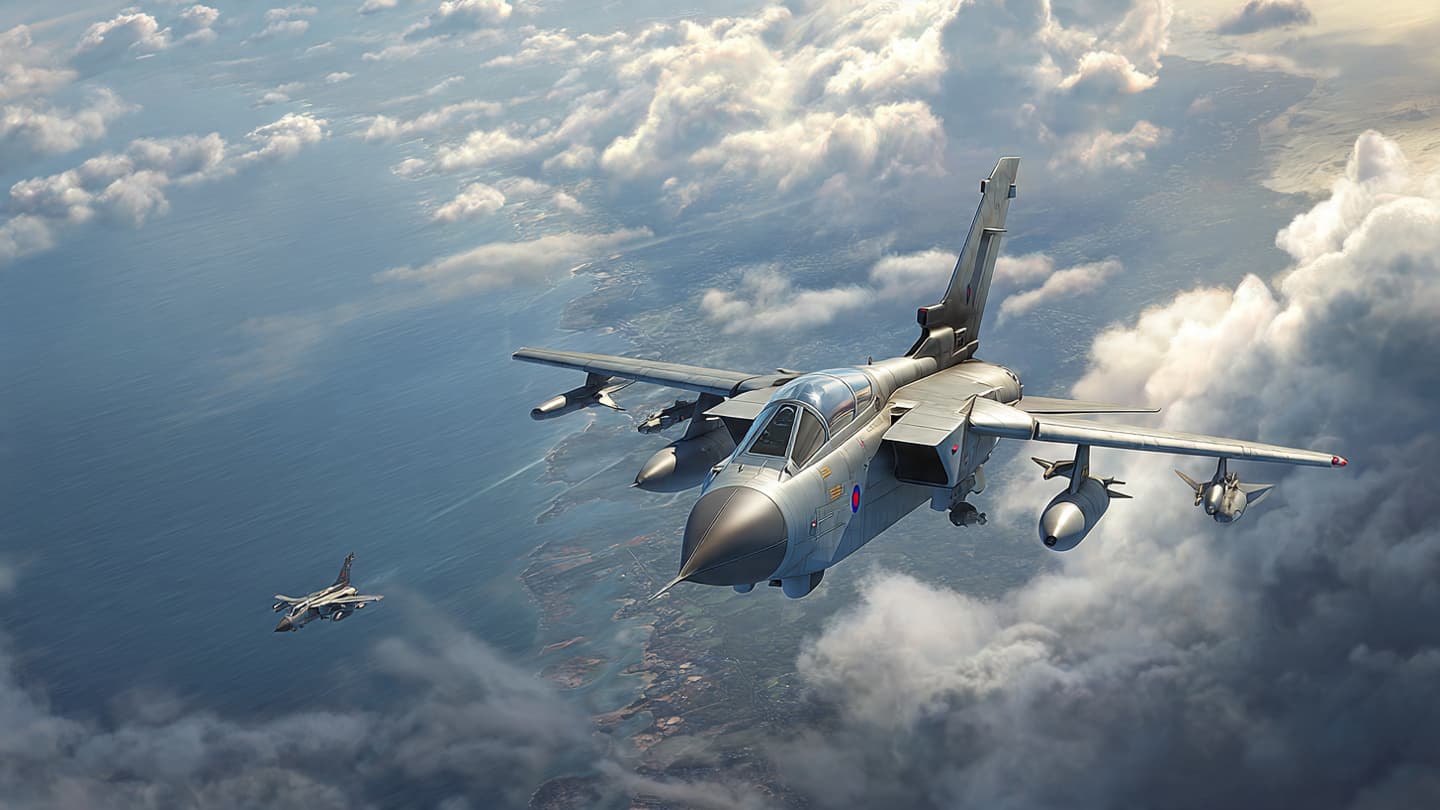
Over the Black Sea, military aircraft continue tracing invisible lines shaped by caution and rivalry. The region’s skies have become crowded with surveillance missions, patrol routes, and strategic calculations, where even brief encounters can carry diplomatic consequences far beyond the horizon below. In these moments, distance itself becomes part of the conversation between nations.
The United Kingdom said a British surveillance aircraft was dangerously intercepted by Russian fighter jets during an incident that took place last month over the Black Sea. According to the U.K. Ministry of Defence, the aircraft was operating lawfully in international airspace when Russian jets approached at close range.
British officials described the maneuver as unsafe, arguing that the interception increased risks for both crews involved. The ministry emphasized that the surveillance mission was routine and aligned with broader security monitoring operations connected to regional developments surrounding the war in Ukraine.
Russia has consistently criticized NATO military activity near its borders, maintaining that increased reconnaissance flights contribute to regional tension. Western governments, however, continue asserting that operations in international airspace remain legitimate under international law.
Military analysts noted that encounters between Russian and NATO-linked aircraft have become more frequent since relations sharply deteriorated following Russia’s invasion of Ukraine. Surveillance flights, naval patrols, and military exercises now occur regularly across strategically sensitive regions.
Experts in military aviation often warn that close-range interceptions can create risks even when both sides seek to avoid direct confrontation. Small navigational miscalculations or communication failures may quickly escalate tensions in already fragile geopolitical conditions.
The Black Sea remains a strategically significant area for both NATO members and Russia due to its proximity to Ukraine, major shipping routes, and military infrastructure. As a result, aerial surveillance activities continue forming part of broader regional security operations.
Observers also noted that public statements regarding military encounters often serve diplomatic purposes beyond the operational details themselves. Governments frequently use carefully chosen language to signal concern, demonstrate resolve, or shape international narratives surrounding security issues.
The British government stated that it would continue conducting lawful surveillance operations while calling for professional military conduct aimed at reducing the risk of accidental escalation.
AI-generated image disclaimer: Visuals associated with this article may include AI-generated imagery created to illustrate military aviation scenarios.
Sources: Reuters, BBC News, CBS News, Al Jazeera, U.K. Ministry of Defence statements
Published by Banx Network. This article is part of the Banx decentralized media programme, powered by the BXE token on the XRP Ledger.