
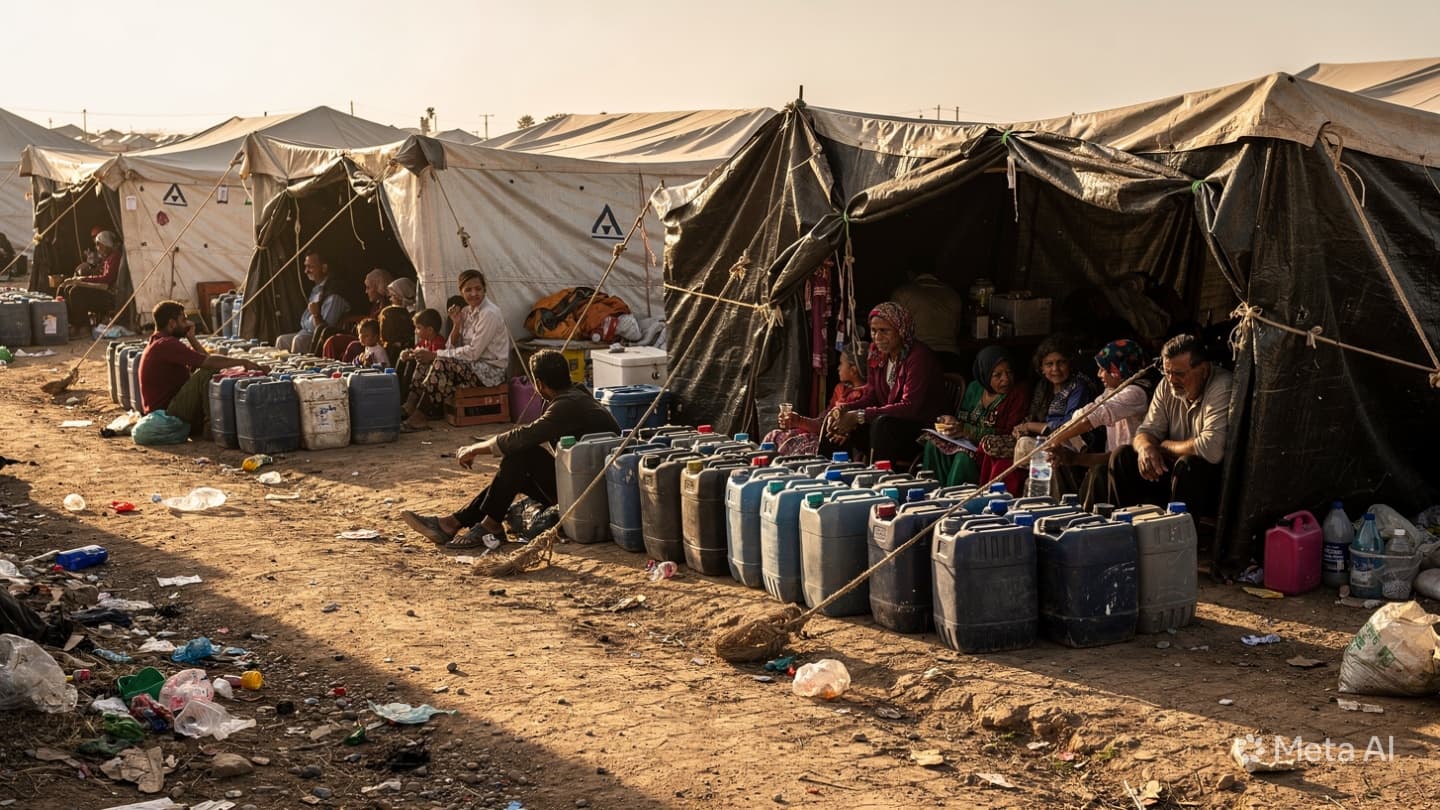
Key Highlights
- Diarrheal diseases are surging among children in Geneva's overcrowded shelters.
- Health experts warn of a potential epidemic due to lack of clean water and sanitation.
- Urgent calls for aid highlight the dire need for medical supplies and infrastructure improvements.
Geneva, Switzerland—Displacement centers are reporting a sharp rise in diarrheal diseases among children, a trend that health experts warn could quickly escalate into a broader epidemic. The primary cause is the severe lack of clean water and functioning sanitation in centers housing thousands of vulnerable individuals.
Young children are suffering the most from this health crisis. Their bodies cannot handle the dehydration caused by these infections for long periods. Clinics within the camps are overwhelmed, seeing hundreds of new cases each day. Many healthcare workers are forced to treat patients on the floor due to a lack of available beds, exacerbating the already critical situation.
Standard hygiene measures are nearly impossible to maintain in these overcrowded environments. Water supplies are inconsistent and often contaminated during storage, leading to further health risks. Families are crammed into small spaces, which accelerates the spread of bacteria and viruses. There is simply no room for isolation or proper decontamination, making the situation even more precarious.
Aid workers are tirelessly providing rehydration salts to affected children, but the supply chain is moving too slowly to meet the urgent demand. Staff members are exhausted and witnessing children fall ill from conditions that are entirely preventable with better infrastructure and resources. The lack of adequate facilities and supplies is a direct consequence of long-term funding gaps that have plagued these shelters.
Many of these centers were never designed to accommodate such large populations for extended periods. Essential services were cut months ago, leaving the current reality as a result of neglect and mismanagement. Regional health authorities have issued an urgent call for more aid, emphasizing the immediate need for clean water, soap, and qualified medical staff. Without these basic supplies, the infection rate will continue to climb, and the death toll among children is expected to rise significantly.
Administrative bottlenecks are further complicating the delivery of critical aid. Supplies sit idle in containers while children continue to arrive at medical tents with severe symptoms. The disconnect between policy decisions and the harsh reality on the ground is stark and troubling. The status of the crisis remains unchanged as of this morning, with new families arriving daily, increasing the population density in the shelters.
Every new arrival puts more strain on the already broken water systems, compounding the risk to these children. The urgency of the situation cannot be overstated; every hour that passes without adequate intervention increases the likelihood of further illness and loss of life among the most vulnerable.
Published by Banx Network. This article is part of the Banx decentralized media programme, powered by the BXE token on the XRP Ledger.



