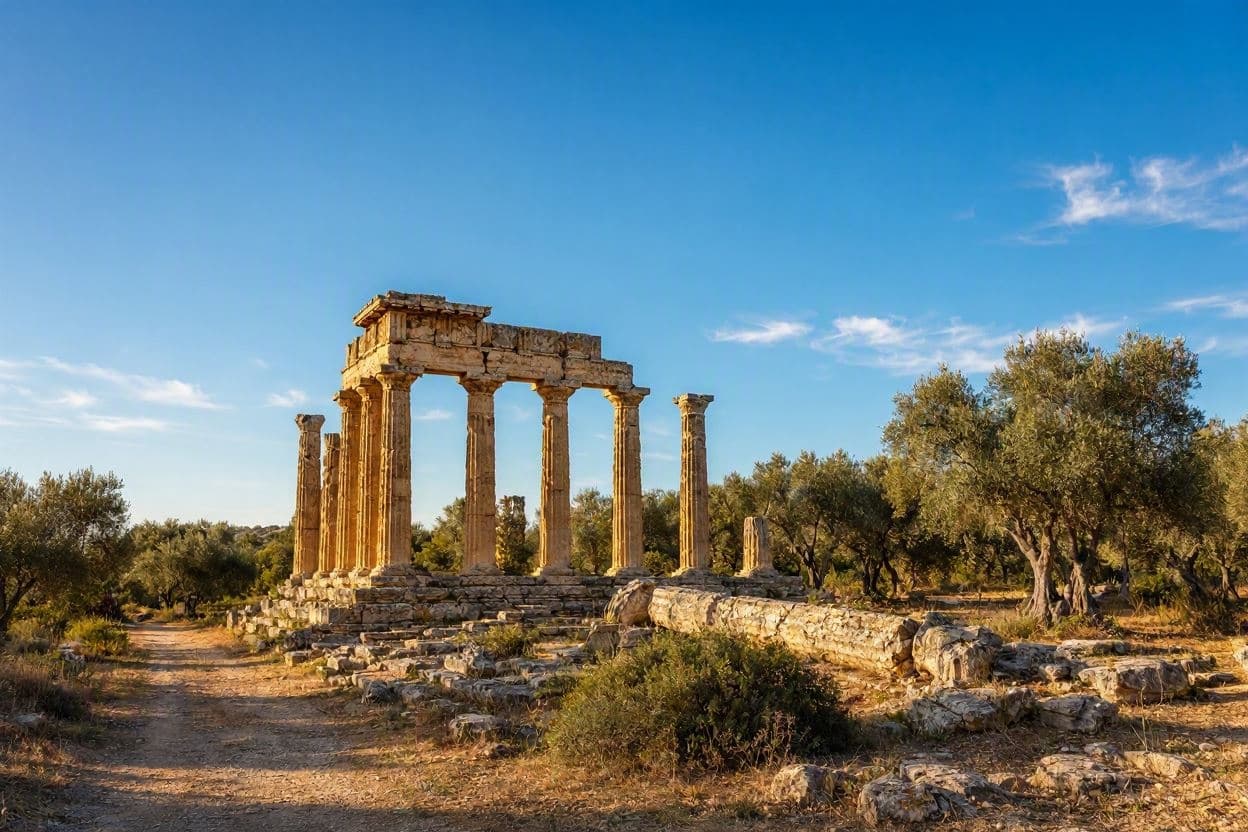
While the islands of Santorini and Mykonos often steal the spotlight in Greek tourism, the Peloponnese peninsula offers a different kind of allure. This vast region, connected to the mainland by the narrow Isthmus of Corinth, is a tapestry of ancient history, rugged landscapes, and authentic village life. For travelers seeking depth over dazzle, the Peloponnese provides an immersive experience that feels both timeless and refreshingly undiscovered. It is a destination that invites slow travel and deep appreciation.
The historical significance of the Peloponnese is unparalleled. From the ruins of Olympia, birthplace of the Olympic Games, to the majestic theater of Epidaurus, every stone tells a story. Visitors can walk through the lion gate of Mycenae, imagining the age of heroes, or explore the medieval castles of Monemvasia and Methoni. These sites are not just museums but living parts of the landscape, integrated into the daily rhythm of local communities. History here is not behind glass; it is underfoot.
Beyond antiquity, the natural beauty of the region is striking. The Mani Peninsula, with its tower houses and dramatic cliffs, offers a glimpse into a fierce and independent past. The Vikos Gorge and the lush forests of Arcadia provide opportunities for hiking and exploration, away from the crowds. The coastline alternates between sandy beaches and rocky coves, offering clear waters for swimming and snorkeling. It is a place where nature and culture coexist harmoniously.
Culinary experiences in the Peloponnese are equally rewarding. The region is famous for its olive oil, wine, and traditional dishes like lamb kleftiko. Family-run tavernas serve meals made with local ingredients, offering a taste of genuine Greek hospitality. Dining here is not just about food but about connection, sharing stories with hosts who take pride in their heritage. It is a sensory journey that delights the palate and warms the heart.
Unlike the bustling islands, the Peloponnese retains a sense of tranquility. Towns like Nafplio, with its Venetian architecture and cobblestone streets, offer charm without chaos. Visitors can wander through markets, visit artisan workshops, or simply sit in a square watching the world go by. The pace of life is slower, allowing for a more meaningful engagement with the environment. It is a retreat for those seeking peace and authenticity.
Accessibility has improved in recent years, with better roads and connections from Athens. Day trips are possible, but staying longer allows for a deeper exploration of the region’s diverse offerings. Whether interested in archaeology, hiking, or gastronomy, travelers will find something to suit their interests. The Peloponnese is versatile, catering to both active adventurers and relaxed explorers. It is a destination that rewards curiosity.
For Europeans looking for a getaway that combines culture, nature, and relaxation, the Peloponnese is an ideal choice. It offers the richness of Greek history without the intensity of mass tourism. The region’s affordability compared to popular islands makes it accessible to a wider range of travelers. It is a hidden gem that deserves a place on every itinerary.
In the end, the Peloponnese is more than a destination; it is an experience. It invites visitors to slow down, look closer, and connect with the essence of Greece. As tourism trends shift toward sustainable and meaningful travel, this region stands out as a model of balance. It is a place where the past informs the present, and where every journey feels like a discovery.
AI Image Disclaimer: The images accompanying this article are AI-generated artistic interpretations of Greek landscapes and historical sites, not actual photographs of specific tourist spots or recent travel conditions.
Sources: Condé Nast Traveler Lonely Planet Greek Travel Pages
Published by Banx Network. This article is part of the Banx decentralized media programme, powered by the BXE token on the XRP Ledger.