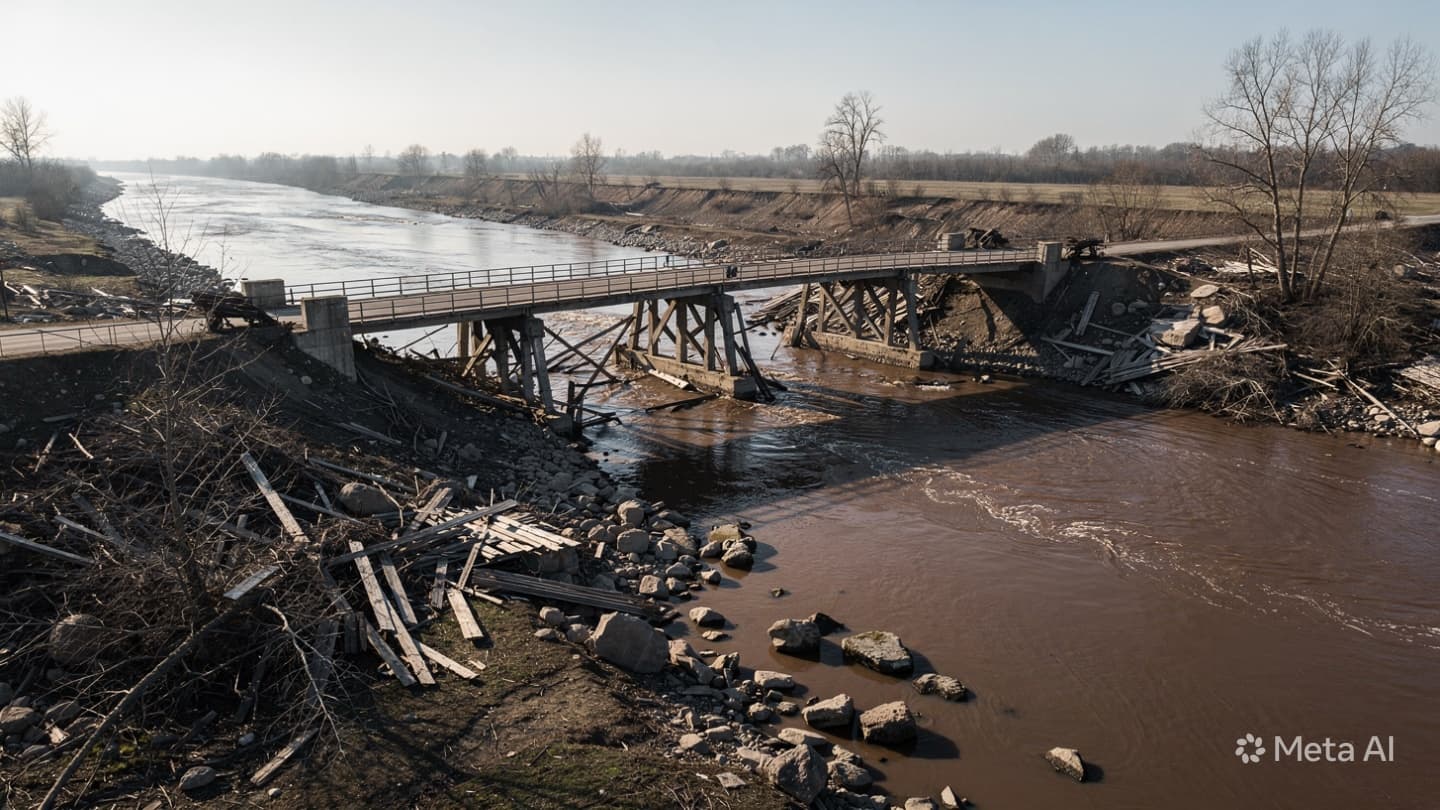
Lusaka, Zambia—The nation is grappling with the aftermath of devastating floods that have decimated essential infrastructure and claimed multiple lives. Heavy, sustained rainfall has turned normally navigable rivers into torrents, washing away bridges and roads that serve as the primary lifelines for rural districts.
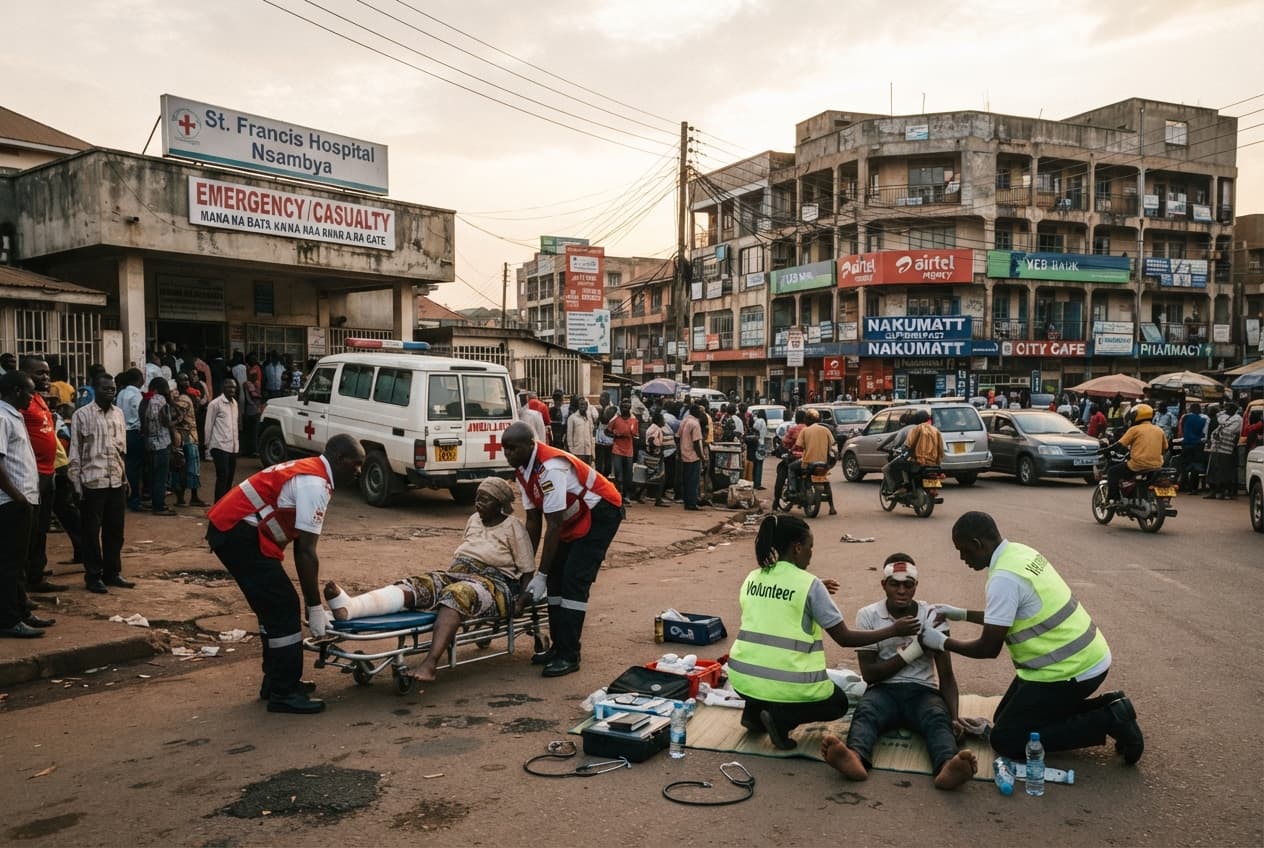
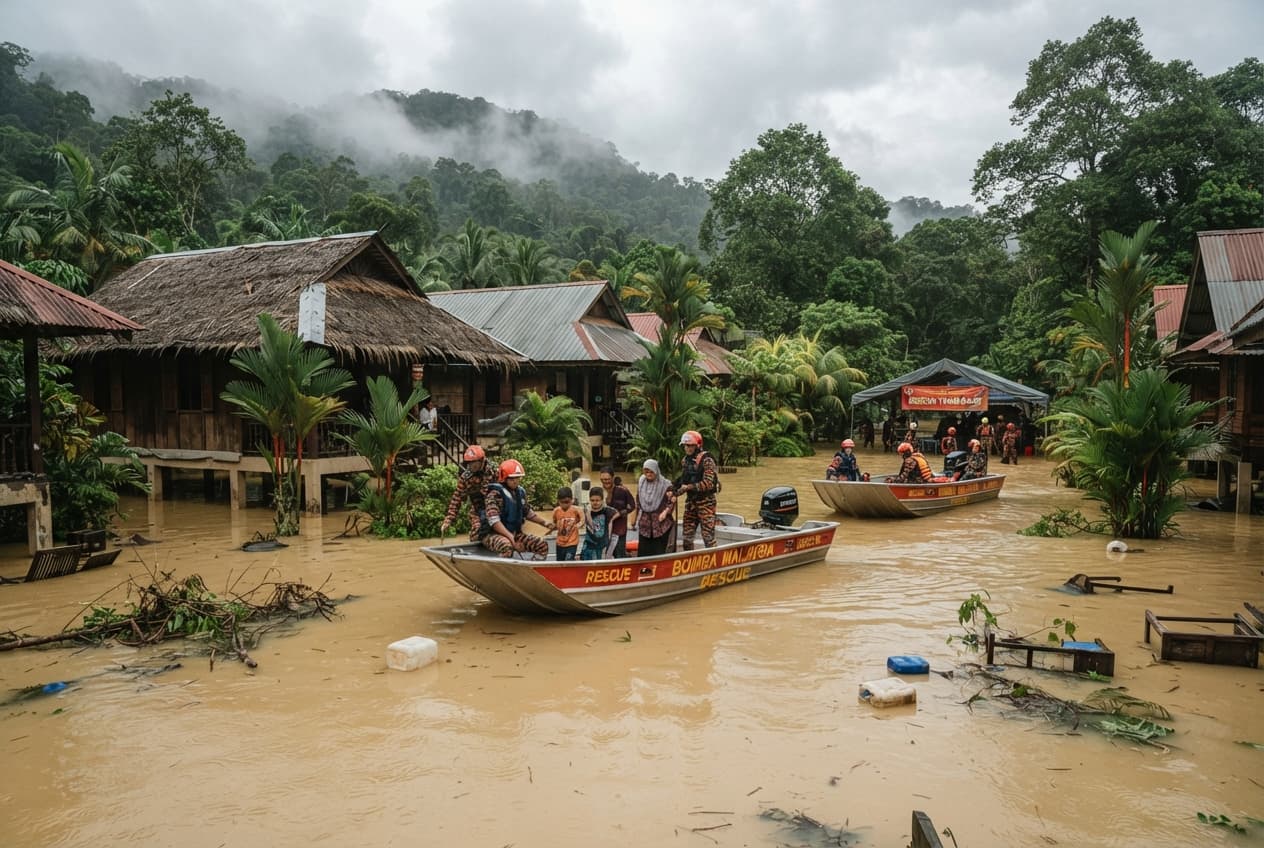
Government engineers confirm that key transport arteries are now completely impassable. The destruction of these links has trapped entire communities, leaving them without reliable access to food, water, or medical facilities. Rescue crews are working in hazardous conditions to reach the most isolated settlements.
Local authorities report that the fatalities occurred when homes were suddenly inundated by flash floods overnight. Many families were caught off guard as rising water levels overwhelmed floodplains. Emergency response units are currently conducting search and recovery operations in the worst-hit sectors.
The collapse of bridges has left transit networks fragmented, forcing officials to rely on aerial support for aid distribution. Supply lines have been significantly disrupted, causing fuel and food prices to spike in urban centers. Repairing this infrastructure will require a massive capital investment that the government cannot currently afford.
Communities remain in a state of high alert as meteorologists predict further precipitation. The saturated state of the soil means that even moderate rainfall triggers immediate runoff and further localized flooding. Tens of thousands of people remain displaced and are sheltering in temporary communal sites.
Public health specialists are expressing concern over the spread of waterborne diseases. Stagnant floodwater has contaminated wells and destroyed sanitation systems in various districts. The risk of outbreaks is considered paramount as the displaced population crowds into makeshift camps with limited facilities.
International partners are now coordinating with the national Disaster Management and Mitigation Unit to assess the full scope of the damage. Initial reports suggest that the repair costs will be significant. The primary objective for the coming week is the restoration of access to the most severely cut-off regions.
State leaders have pledged to prioritize the rebuilding of permanent, resilient infrastructure once the immediate danger recedes. For now, the focus is strictly on survival and the stabilization of the affected population.
Published by Banx Network. This article is part of the Banx decentralized media programme, powered by the BXE token on the XRP Ledger.