
Key Highlights
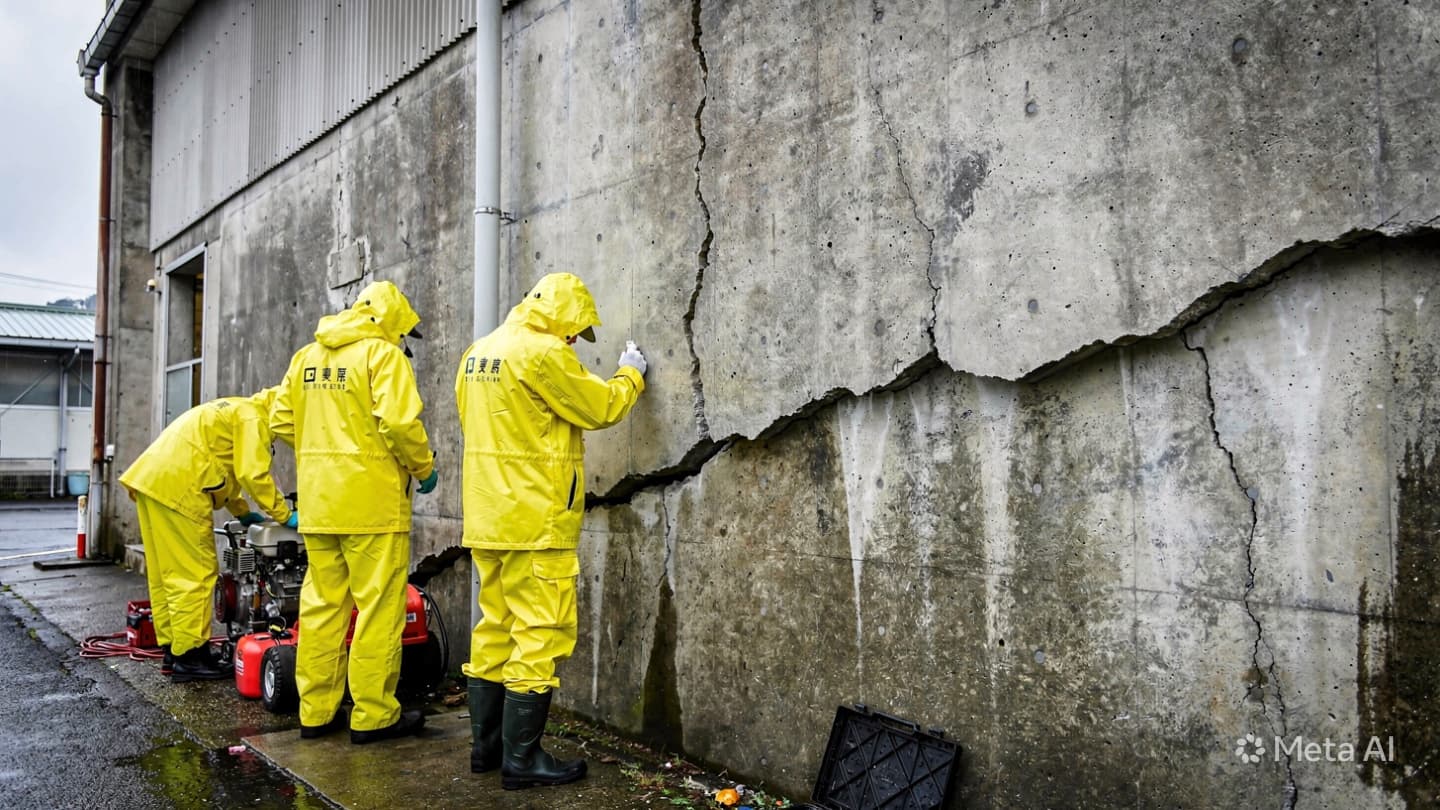
- Emergency teams are responding to structural failures in Seika, Kyoto.
- Residents have been advised to evacuate to designated shelters.
- Meteorologists predict additional rainfall, raising concerns about further collapses.
Seika, Japan—Emergency response units scrambled across Seika today following multiple reports of structural failures. The incidents come amid a period of intense meteorological pressure on the Kyoto region. Local authorities have cordoned off several sites where buildings have shown signs of collapse.
The failures appear linked to the sustained rainfall that has saturated the ground throughout the prefecture. Heavy water infiltration has compromised the foundations of both residential and commercial structures. Inspectors are currently assessing the extent of the damage across the municipal grid, with a focus on ensuring public safety.
Local fire departments are leading the response efforts, working in coordination with municipal engineers to determine which buildings pose an immediate threat to the public. Residents in the affected areas have been advised to relocate to designated shelters until further notice, as the situation continues to evolve.
Communication lines in some parts of Seika are experiencing interruptions due to the damage. This has hindered the ability of emergency services to receive real-time updates from affected residents. Portable radios and secondary networks are currently being utilized to manage the operation and ensure that critical information is relayed efficiently.
The municipal government has called for an immediate suspension of all non-essential activity in the area. They emphasize that the primary goal is preventing injuries as structural integrity remains at risk. The situation is being treated as a high-priority disaster event, with officials urging residents to remain vigilant.
Concerns regarding further collapses remain high. Meteorologists are predicting additional rainfall throughout the night, which could worsen the soil instability. Ground saturation levels are already at record highs for this season, leaving little room for error. Engineering teams are employing ground-penetrating radar to evaluate the stability of the soil beneath critical structures. This technology is being used to prioritize which areas require urgent reinforcement, although the process is slow and requires precise movement to avoid further destabilization.
No casualties have been reported yet. However, the search for individuals potentially trapped in partially collapsed buildings remains ongoing. Officials have stated they will continue their assessment until every reported site has been secured or cleared, ensuring the safety of all residents in the area.
Published by Banx Network. This article is part of the Banx decentralized media programme, powered by the BXE token on the XRP Ledger.



