
Key Highlights
- Director Carl Rinsch sentenced to 2.5 years in prison.
- Convicted of defrauding Netflix out of $11 million.
- Rinsch's supporters included actor Keanu Reeves.
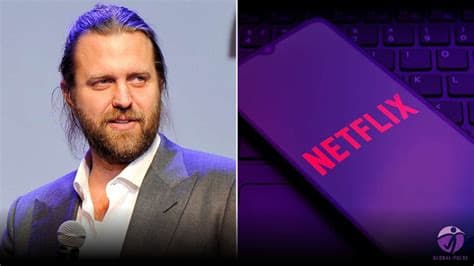
A Hollywood writer-director has been sentenced to prison after being convicted of defrauding Netflix out of $11 million tied to an unfinished science-fiction series. Carl Erik Rinsch, 48, known for directing the 2013 film '47 Ronin,' received a sentence of 2 1/2 years in prison on Monday. In addition to the prison term, the court mandated supervised release, forfeitures totaling $11 million, and a fine. Prosecutors emphasized the need for a significant sentence to deter future fraud, while Rinsch expressed remorse in court, stating he accepted responsibility for his actions.
The case revolved around a project initially titled 'White Horse,' for which Netflix had allocated approximately $55 million. Rinsch received an additional $11 million after claiming he required more funds to complete production. However, prosecutors revealed that Rinsch diverted these funds into a personal account, engaging in risky investments that resulted in the loss of nearly half of the money within a short timeframe.
Prosecutors highlighted Rinsch's extravagant spending habits, which they argued were fueled by the misappropriated Netflix funds. This included luxury purchases such as high-end cars, expensive watches, and other lavish goods. During a one-week federal trial, Netflix executives testified about their expectations for the project, which they believed would deliver the agreed-upon content.
Support for Rinsch came from several notable figures, including actor Keanu Reeves. In a letter to the judge, Reeves requested leniency, describing Rinsch as someone capable of self-sabotage. He acknowledged that he was unaware of the case's specifics but urged the court to consider mercy alongside justice in its sentencing.
Rinsch is scheduled to begin serving his sentence in September. Netflix has opted not to comment on the sentencing outcome, leaving the case's implications for the streaming giant and the broader entertainment industry open to speculation. The incident raises questions about financial oversight in the production of high-budget projects and the responsibilities of directors in managing funds.
As the entertainment industry continues to grapple with issues of accountability and transparency, Rinsch's case serves as a cautionary tale for filmmakers and studios alike. The fallout from this case may influence how future projects are financed and monitored, ensuring that similar fraud does not occur in the future.
Published by Banx Network. This article is part of the Banx decentralized media programme, powered by the BXE token on the XRP Ledger.



