
Key Highlights
- Iran submits a 14-point proposal to the US, addressing nuclear and economic issues.
- Diplomatic tensions escalate following the US withdrawal from the JCPOA in 2018.
- European nations are mediating to maintain dialogue and prevent conflict.
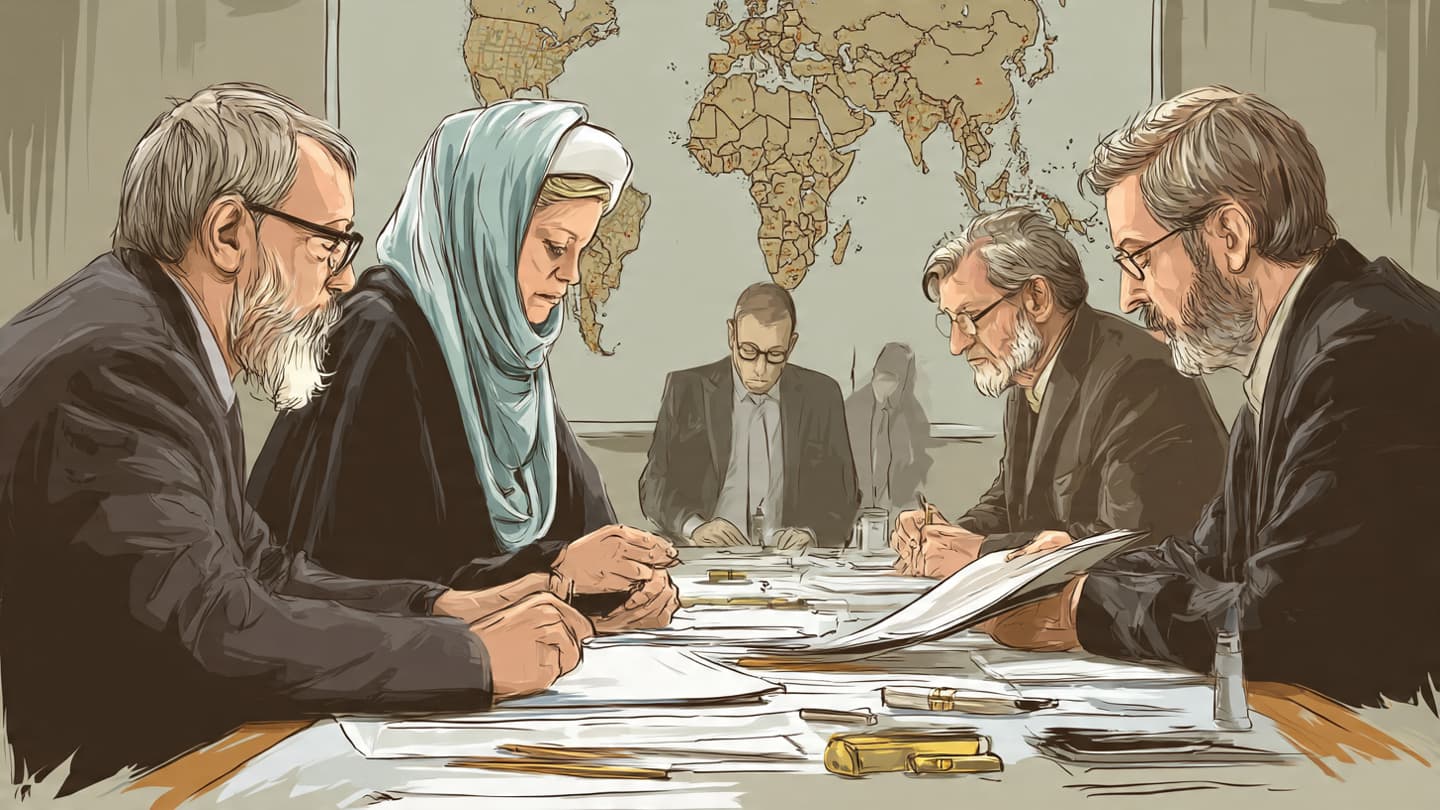
In the realm of international diplomacy, proposals can signify more than mere negotiation points; they often reflect the willingness of a nation to engage in dialogue or indicate the limits of its patience. This is particularly evident in the current climate surrounding Iran and the United States, following Tehran's submission of a 14-point proposal aimed at facilitating ongoing discussions between the two nations.
The Iranian government has articulated that this proposal encompasses a range of strategic issues, including economic sanctions, regional security, and assurances related to its nuclear program. Tehran has warned that a failure to accept this framework could deepen the longstanding diplomatic impasse that has characterized US-Iran relations.
The relationship between Iran and the United States has been fraught with tension, particularly since Washington's withdrawal from the Joint Comprehensive Plan of Action (JCPOA) nuclear agreement in 2018. Since then, negotiations have been marked by fluctuations influenced by sanctions, military pressures, and shifting political dynamics in the region.
For Iran, the proposal represents an effort to establish diplomatic certainty after enduring years of international economic sanctions. The Iranian leadership insists that any new agreement must include robust guarantees to prevent future alterations due to changes in US political policy.
Conversely, the US government has approached Iran's demands with caution. Washington continues to stress the necessity of monitoring Iran's nuclear activities while safeguarding the interests of its regional allies in the Middle East. This cautious stance reflects the complexities of the geopolitical landscape and the potential ramifications of any agreement.
European nations, including France, Germany, and the UK, are actively working to sustain a dialogue between the two parties. These diplomats are reportedly advocating for a negotiation-centric approach to avert broader escalation in the region, underscoring the importance of maintaining open channels of communication.
This situation exemplifies the delicate balance modern diplomacy must strike between threats and the imperative to continue dialogue. In times of heightened tension, even a comprehensive proposal can serve more as a political signal than a definitive solution acceptable to all parties involved.
The outcome of the negotiations between Iran and the United States will have profound implications for energy stability, regional security, and the future of global nuclear nonproliferation efforts. As of now, the US has yet to make a final decision regarding Iran's 14-point proposal, with diplomatic channels remaining active through direct communication and international mediation.
Published by Banx Network. This article is part of the Banx decentralized media programme, powered by the BXE token on the XRP Ledger.



