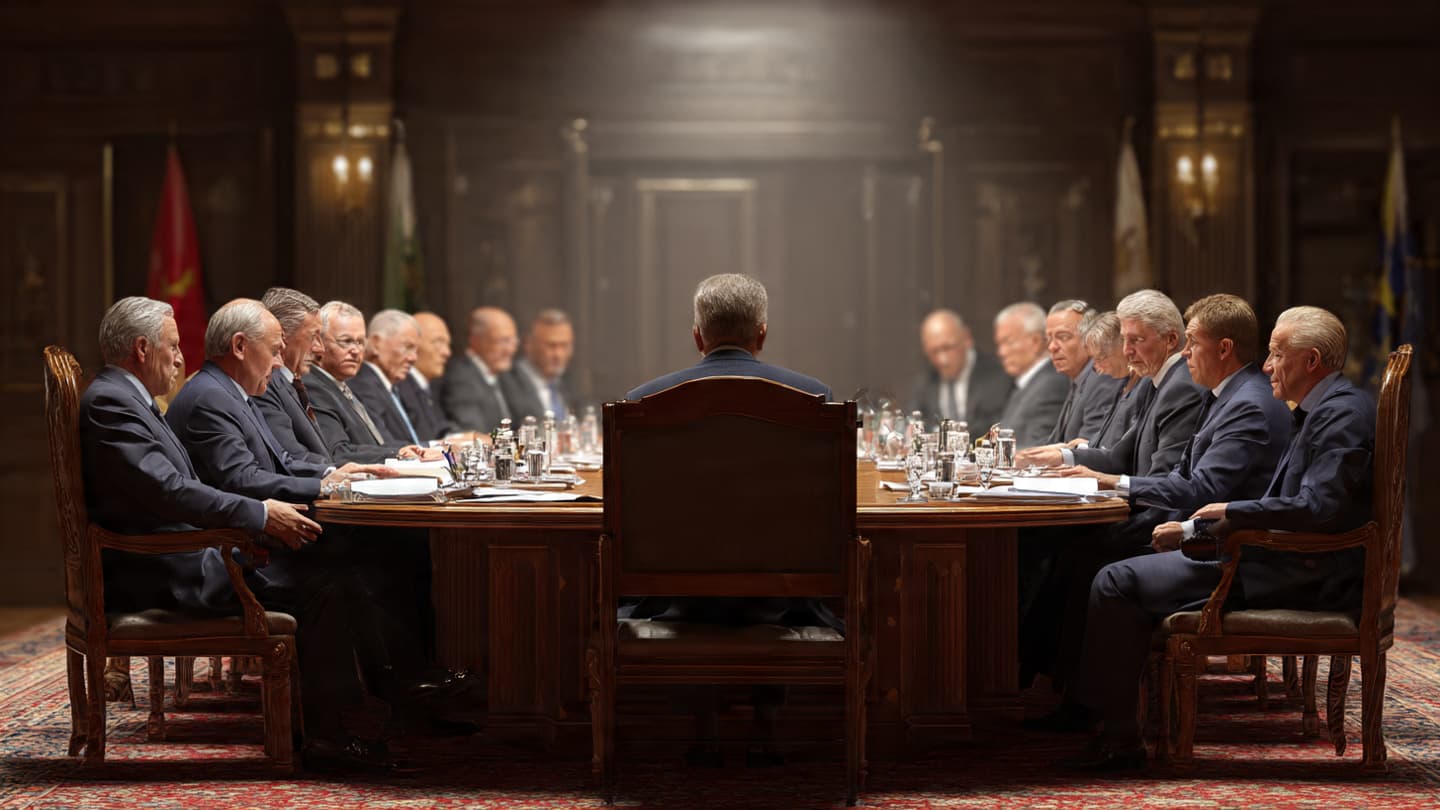
Diplomacy sometimes moves like a fragile bridge built carefully above turbulent water. Even when distrust remains heavy, nations often continue searching for language that can prevent further confrontation. Recent exchanges between the United States and Iran suggest that amid tension and political caution, communication has not entirely disappeared.
Officials from the United States and Iran have reportedly exchanged new proposals aimed at reducing the risk of renewed conflict. The diplomatic contacts come after months of heightened regional tension involving military rhetoric, sanctions discussions, and concerns over security developments across the Middle East.
Sources familiar with the negotiations indicated that the proposals involve measures related to regional stability, de-escalation mechanisms, and broader communication channels between both governments. Discussions are also believed to include issues connected to sanctions, maritime security, and nuclear oversight.
Although formal agreements have not yet been announced, diplomatic observers describe the exchanges as a meaningful sign that both sides are seeking to avoid further escalation. International mediators and allied governments have continued encouraging dialogue to stabilize the situation.
The relationship between Washington and Tehran has remained strained for decades, shaped by political disputes, economic sanctions, and disagreements over regional influence. Even limited diplomatic engagement therefore tends to attract significant global attention.
Analysts note that both governments face strategic pressures domestically and internationally. While public rhetoric may at times appear confrontational, indirect negotiation often continues through intermediaries and multilateral forums behind closed doors.
Regional governments and international institutions have also expressed support for continued diplomatic efforts. Many countries remain concerned that broader conflict in the Middle East could affect global trade, energy markets, and humanitarian stability across neighboring regions.
Energy traders and financial markets are meanwhile watching developments closely, as tensions involving Iran frequently influence oil prices and investor sentiment. Any sign of sustained dialogue is generally viewed as a stabilizing factor, even when major disagreements remain unresolved.
The latest exchange of proposals between the United States and Iran reflects the continuing importance of diplomacy in preventing further conflict, particularly in a region where political tensions can quickly carry global consequences.
Images accompanying this report are AI-generated illustrations intended to visually support the diplomatic themes discussed.
Sources: Reuters, The New York Times, Al Jazeera, Associated Press
Published by Banx Network. This article is part of the Banx decentralized media programme, powered by the BXE token on the XRP Ledger.