
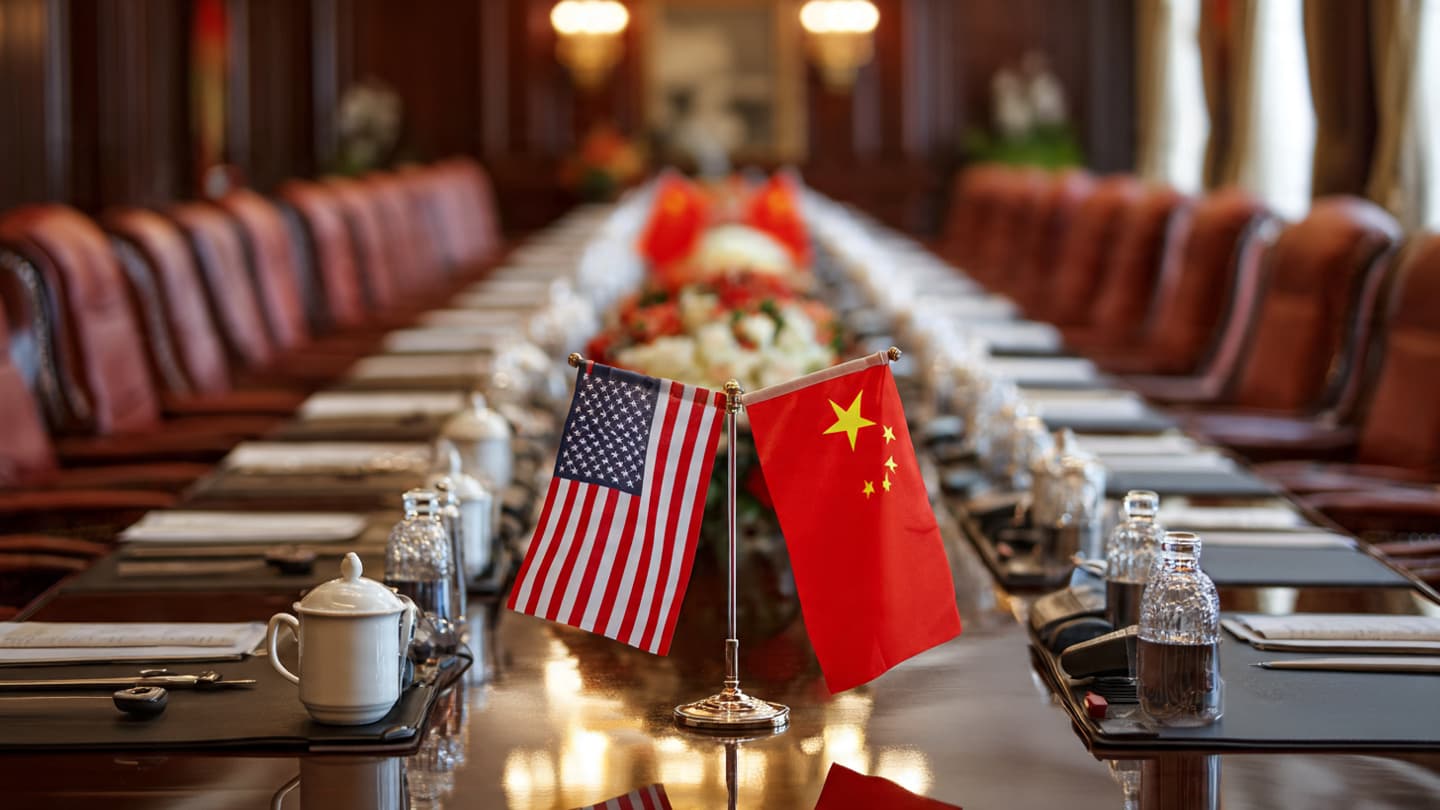
Key Highlights
- Diplomatic meetings between the U.S. and China signal renewed efforts for stability.
- Ongoing global crises, including the war in Ukraine, shape diplomatic agendas.
- Analysts emphasize the importance of continued engagement and communication.
Diplomatic journeys often begin with formal handshakes yet carry expectations far larger than ceremony alone. When leaders from powerful nations meet, observers around the world frequently search for signs of compromise hidden within carefully measured statements. Recent discussions surrounding Donald Trump’s visit to China have once again revived questions about whether diplomacy can still open pathways toward easing global conflict.
The visit drew significant attention due to the increasingly complex relationship between the United States and China, two countries whose political and economic influence reaches far beyond their borders. Analysts noted that conversations between major powers often affect international stability, trade dynamics, and geopolitical tensions simultaneously. The stakes are high, as both nations navigate a landscape marked by competition and cooperation.
Speculation surrounding the possibility of conflict resolution emerged as several global crises continue shaping diplomatic agendas, including the ongoing war in Ukraine and broader tensions involving strategic alliances. Although no immediate breakthrough was officially announced following the meeting, it renewed public interest in whether dialogue between influential nations could reduce confrontation and foster a more stable global environment.
China has consistently positioned itself as a proponent of negotiation and political settlement in major international disputes, while the United States continues to balance strategic competition with diplomatic engagement. Meetings involving senior political figures are therefore often interpreted through both symbolic and practical lenses, reflecting the dual nature of their interactions.
Observers also highlighted that diplomacy rarely produces immediate outcomes visible to the public. Many international negotiations unfold gradually through follow-up discussions, economic coordination, and quieter diplomatic channels operating behind official press conferences. This slow burn of diplomacy can often lead to significant changes over time, even if the immediate results are not apparent.
The relationship between Washington and Beijing remains marked by both interdependence and rivalry. Trade, technology, regional security, and military influence continue shaping interactions between the two powers, creating an environment where cooperation and tension often coexist simultaneously. The complexity of these relationships underscores the importance of sustained dialogue in addressing global challenges.
Public attention toward the visit also reflected broader global fatigue surrounding prolonged conflicts. In many regions, there remains strong interest in diplomatic efforts capable of preventing escalation and encouraging stability, even when political differences remain significant. The desire for peace and resolution is palpable, as citizens and leaders alike seek pathways to a more harmonious international landscape.
Officials from both countries emphasized the importance of communication and continued engagement following the visit. Analysts continue monitoring whether future diplomatic discussions may contribute to broader international efforts aimed at reducing geopolitical tensions. The hope is that through persistent dialogue, nations can navigate their differences and work towards a more stable future.
Published by Banx Network. This article is part of the Banx decentralized media programme, powered by the BXE token on the XRP Ledger.



