

Key Highlights
- EU Sanctions:The European Union has imposed sanctions on six individuals linked to the death of Alexei Navalny.
- Diplomatic Measures:The sanctions include asset freezes and travel restrictions as part of the EU's human rights framework.
- Ongoing Tensions:Russia continues to deny involvement in Navalny's death, complicating diplomatic relations.
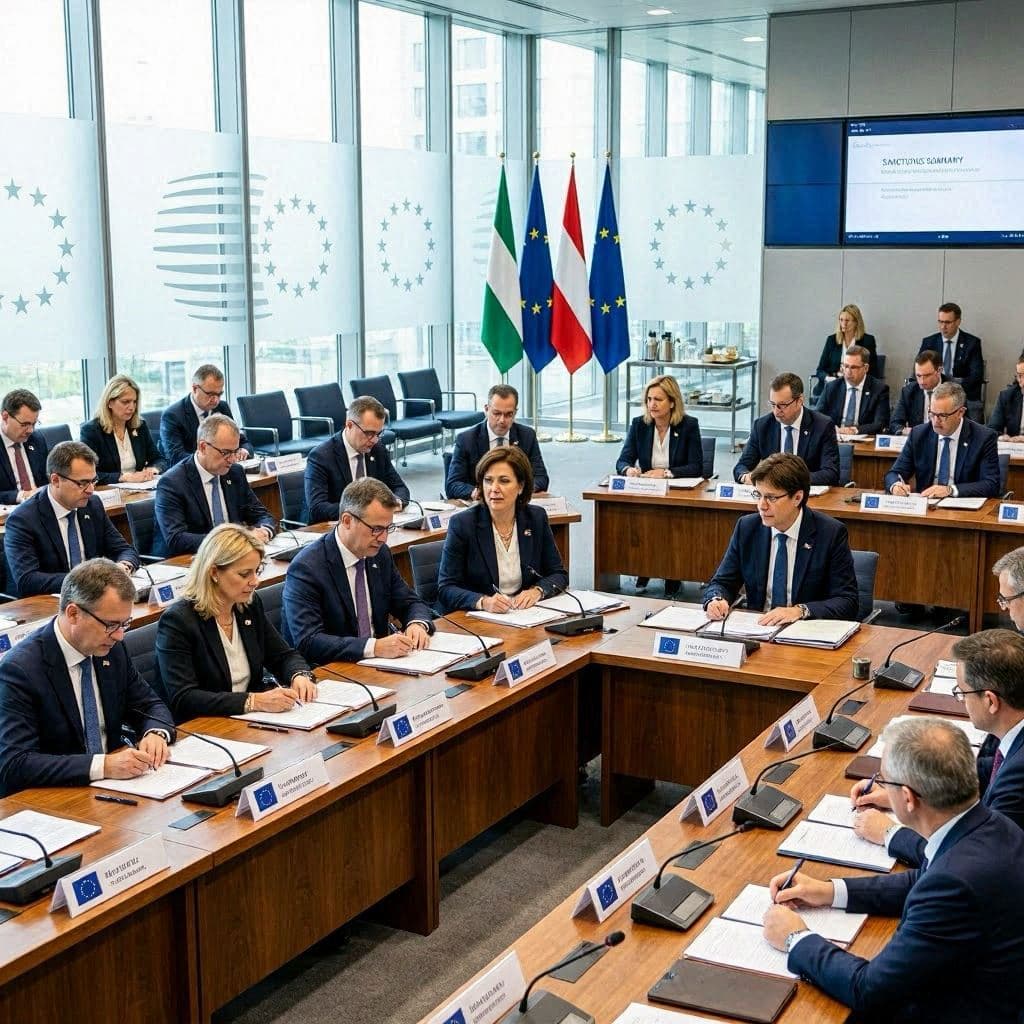
The European Union has taken a decisive step in its foreign policy by imposing sanctions on six individuals believed to be involved in the development of the toxin that led to the death of Russian opposition leader Alexei Navalny. This decision underscores the EU's commitment to holding individuals accountable for human rights violations and reflects the ongoing tensions between Russia and Western nations. The sanctions, announced by the Council of the European Union, include asset freezes and travel bans, effectively limiting the sanctioned individuals' ability to operate within EU member states.
Among those sanctioned are scientists and researchers associated with chemical weapons development, as identified by the EU. European officials have emphasized that these measures are part of a broader strategy to uphold human rights and international norms. The EU's actions come in the wake of Navalny's death, which has sparked widespread condemnation and calls for accountability from various international actors.
Despite the EU's assertions, Russian authorities have categorically rejected the accusations surrounding Navalny's death. Moscow has demanded that European governments provide concrete evidence to support their claims, maintaining its long-standing position of denial. This ongoing dispute highlights the complexities of international diplomacy, where narratives often clash and the stakes are high.
The sanctions imposed by the EU are not criminal convictions but rather diplomatic tools designed to exert pressure on individuals and governments. Such measures are frequently employed by the EU as part of its foreign policy toolkit, particularly in response to issues related to human rights and international security. Analysts note that while sanctions can have direct implications for the individuals targeted, they also serve a symbolic purpose, signaling the EU's stance on accountability and adherence to international law.
The case of Alexei Navalny continues to be a pivotal issue in the relationship between Russia and Western governments. His death has not only strained bilateral relations but has also ignited broader discussions about human rights, state responsibility, and the rule of law on the international stage. As diplomatic developments unfold, it is expected that officials from both sides will maintain their respective positions, while international observers closely monitor any further legal or political actions.
The latest sanctions serve as a reminder that the international community remains vigilant in its response to human rights violations, and they illustrate the EU's ongoing commitment to addressing such issues through diplomatic channels. As the situation evolves, the implications for international relations and the future of diplomacy will continue to be significant.
Published by Banx Network. This article is part of the Banx decentralized media programme, powered by the BXE token on the XRP Ledger.




