

Key Highlights
- Renewed Inspections:IAEA inspectors expected to visit Iranian nuclear sites.
- Diplomatic Tensions:Iran insists on final agreements before granting access.
- Ongoing Negotiations:International stakeholders continue discussions on nuclear compliance.
Diplomacy often advances in careful steps, much like travelers crossing uncertain terrain by lantern light. Each agreement, inspection, and negotiation can illuminate part of the path while leaving other stretches in shadow. Discussions surrounding Iran's nuclear program have once again entered such a delicate phase.
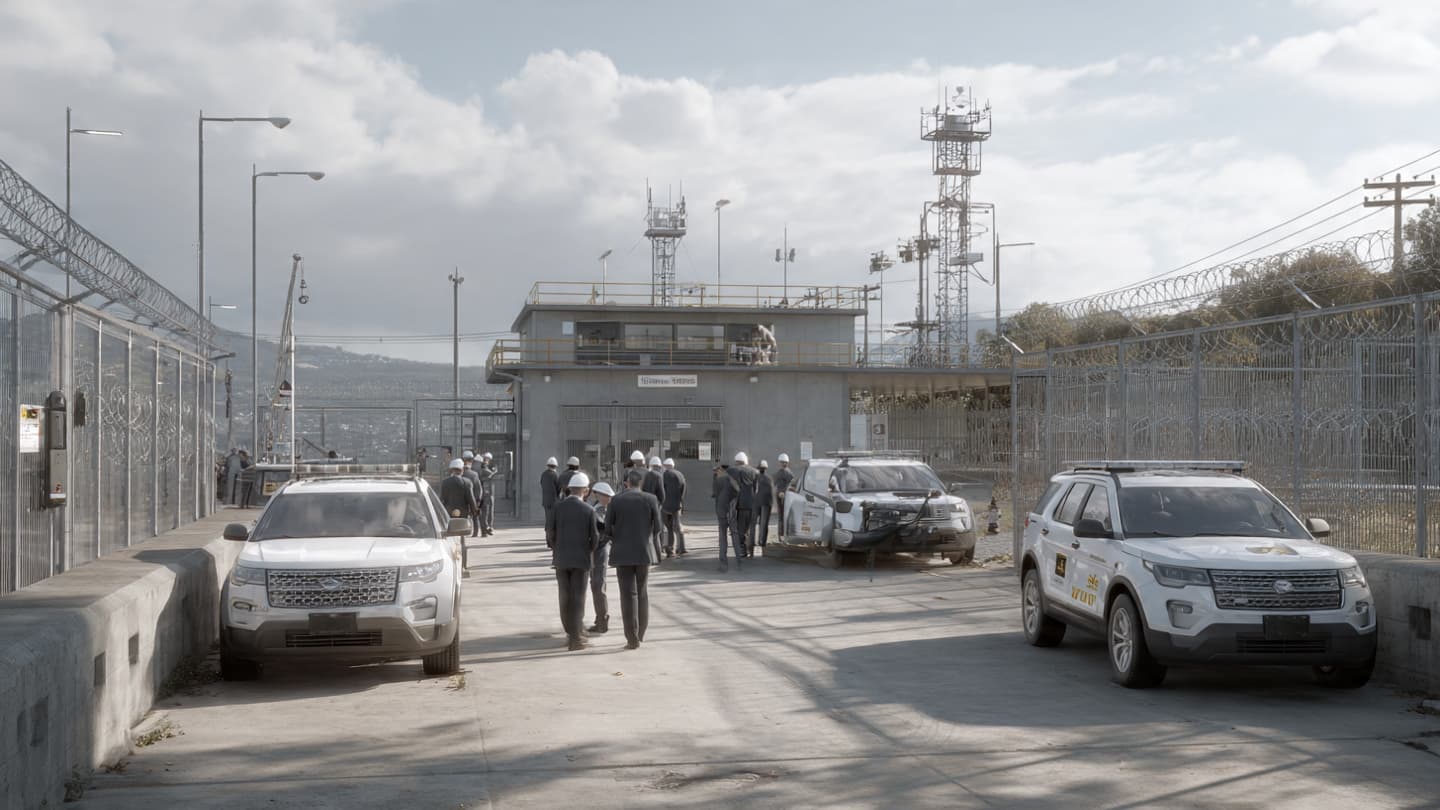
The head of the United Nations' nuclear watchdog, the International Atomic Energy Agency (IAEA), has indicated that inspectors are expected to visit Iranian nuclear sites. However, Iranian officials have stated that such access will only occur after a final agreement is reached. This divergence in positions underscores the ongoing complexities surrounding international nuclear diplomacy.
The IAEA has long monitored Iran's nuclear activities under various agreements and inspection arrangements. International inspectors play a central role in verifying compliance with nuclear commitments, which is crucial for maintaining global security and trust among nations.
According to statements from IAEA leadership, preparations for renewed inspections are under consideration as diplomatic discussions continue. Tehran has made it clear that comprehensive access to its nuclear facilities remains contingent upon reaching a finalized political and diplomatic understanding. This insistence reflects Iran's broader strategy of asserting its sovereignty while engaging with international partners.
Iran's nuclear program has been a focal point of international negotiations for decades. Western governments and international organizations have sought assurances that Iran's nuclear activities remain exclusively peaceful. In contrast, Iranian officials have consistently maintained that the program serves civilian purposes, emphasizing the need for energy independence and technological advancement.
Diplomatic efforts involving Iran, European nations, the United States, and other international stakeholders have periodically produced agreements, setbacks, and renewed negotiations. Verification mechanisms have remained among the most sensitive aspects of these discussions, as they are essential for building confidence and transparency in the process.
Nonproliferation experts emphasize that inspections are vital for ensuring compliance with international agreements. However, political agreements often require balancing sovereignty concerns, security interests, and international obligations. As negotiations continue, both the IAEA and Iranian authorities appear committed to further dialogue, though significant diplomatic work remains before inspectors can resume broader access to nuclear facilities.
The path ahead is fraught with challenges, but the commitment to dialogue suggests a willingness to navigate the complexities of nuclear diplomacy. The outcome of these discussions will have far-reaching implications for regional stability and international security.
Published by Banx Network. This article is part of the Banx decentralized media programme, powered by the BXE token on the XRP Ledger.




