

Key Highlights
- Ceasefire negotiations involving Iran have stalled amid distrust.
- Former President Trump influences Republican foreign policy discussions.
- Domestic political pressures complicate the negotiation process.
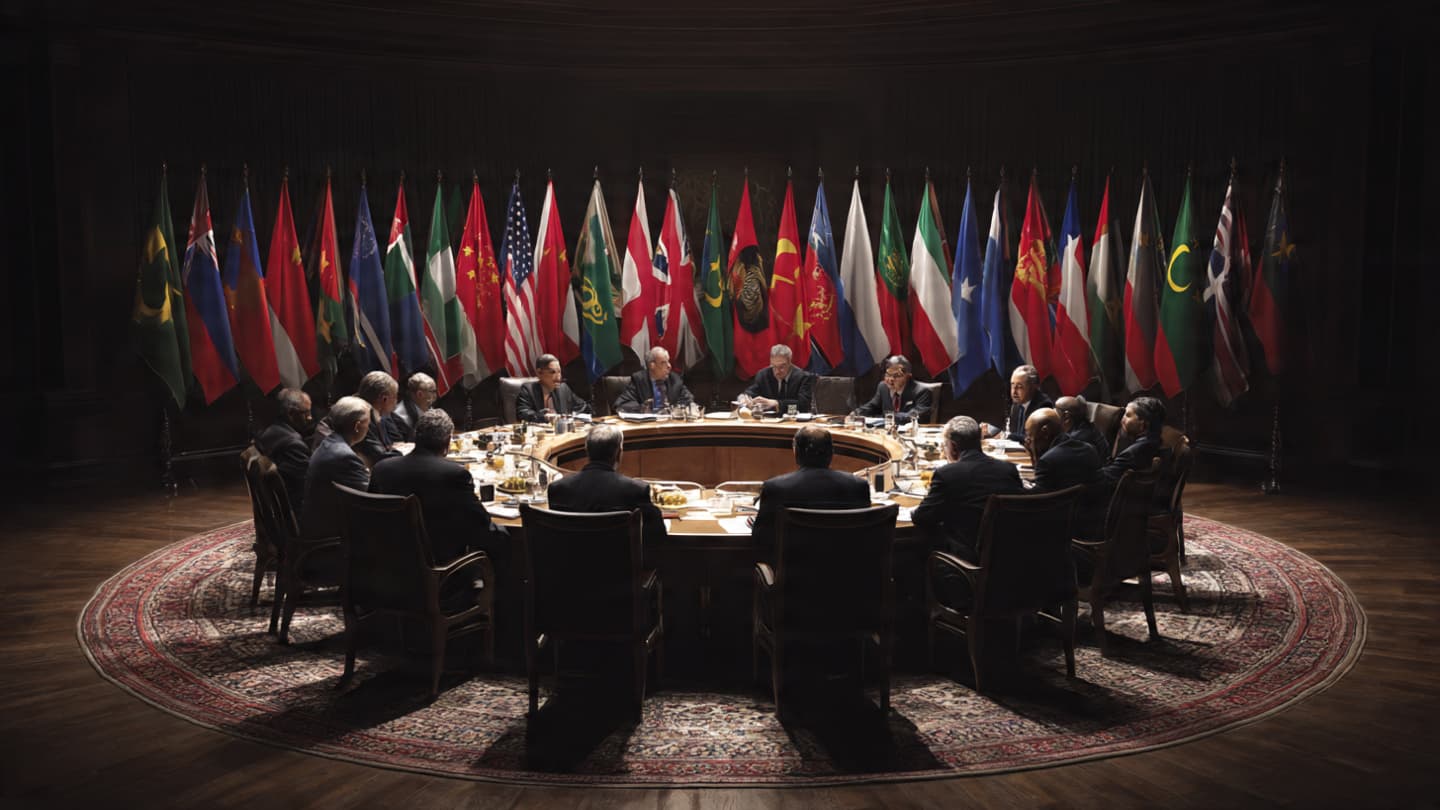
Diplomatic negotiations often resemble rivers moving through difficult terrain, advancing carefully around old fractures and unseen obstacles. Recent reports indicate that ceasefire discussions involving Iran have stalled once again, reflecting how fragile international diplomacy can become when history, security, and political ambition converge in the same moment.
According to reports surrounding the negotiations, efforts to move discussions forward slowed amid disagreements over conditions tied to regional security and broader political guarantees. Former U.S. President Donald Trump, who continues to influence Republican foreign policy discussions, reportedly urged stronger pressure toward securing a new arrangement with Tehran. His involvement underscores the ongoing impact of past administrations on current diplomatic efforts.
The negotiations unfold against a backdrop of longstanding hostility between the United States and Iran. Relations between the two countries have remained strained for decades, shaped by sanctions, military tensions, and disagreements over Iran’s nuclear activities. Although previous diplomatic agreements temporarily reduced tensions, trust between both sides has remained limited, complicating the current discussions.
Regional ceasefire discussions have become increasingly important as instability across the Middle East continues to affect neighboring countries and international energy markets. Diplomats from multiple nations have attempted to balance immediate security concerns with longer-term negotiations designed to prevent wider escalation. The stakes are high, as the outcome of these talks could significantly influence regional stability and global energy prices.
Analysts observing the talks noted that domestic political pressures on both sides complicate the process. In the United States, debates over Iran policy remain sharply divided between advocates of diplomatic engagement and supporters of stricter containment measures. In Iran, leaders must also navigate internal political expectations while responding to international economic pressure. This duality creates a challenging environment for negotiators seeking common ground.
Trump’s involvement in public discussions surrounding Iran reflects his continuing influence over Republican foreign policy narratives ahead of future political contests. During his presidency, the United States withdrew from the 2015 nuclear agreement negotiated under the Obama administration, arguing that the deal failed to adequately limit Iranian regional influence. This historical context adds another layer of complexity to the current negotiations, as both sides grapple with the implications of past actions.
Meanwhile, international mediators continue encouraging both sides to maintain communication channels despite stalled progress. European diplomats and regional partners have repeatedly warned that prolonged deadlock increases uncertainty across already fragile geopolitical environments. Energy markets and humanitarian concerns remain closely tied to the outcome of regional negotiations, emphasizing the need for a resolution.
For now, the ceasefire talks appear suspended in a familiar atmosphere of caution and calculation. Yet diplomatic history often moves unevenly, advancing through pauses as much as breakthroughs. Officials involved in the discussions are expected to continue indirect negotiations in the coming weeks, with the hope that renewed dialogue may eventually lead to a more stable and secure regional landscape.
Published by Banx Network. This article is part of the Banx decentralized media programme, powered by the BXE token on the XRP Ledger.




