
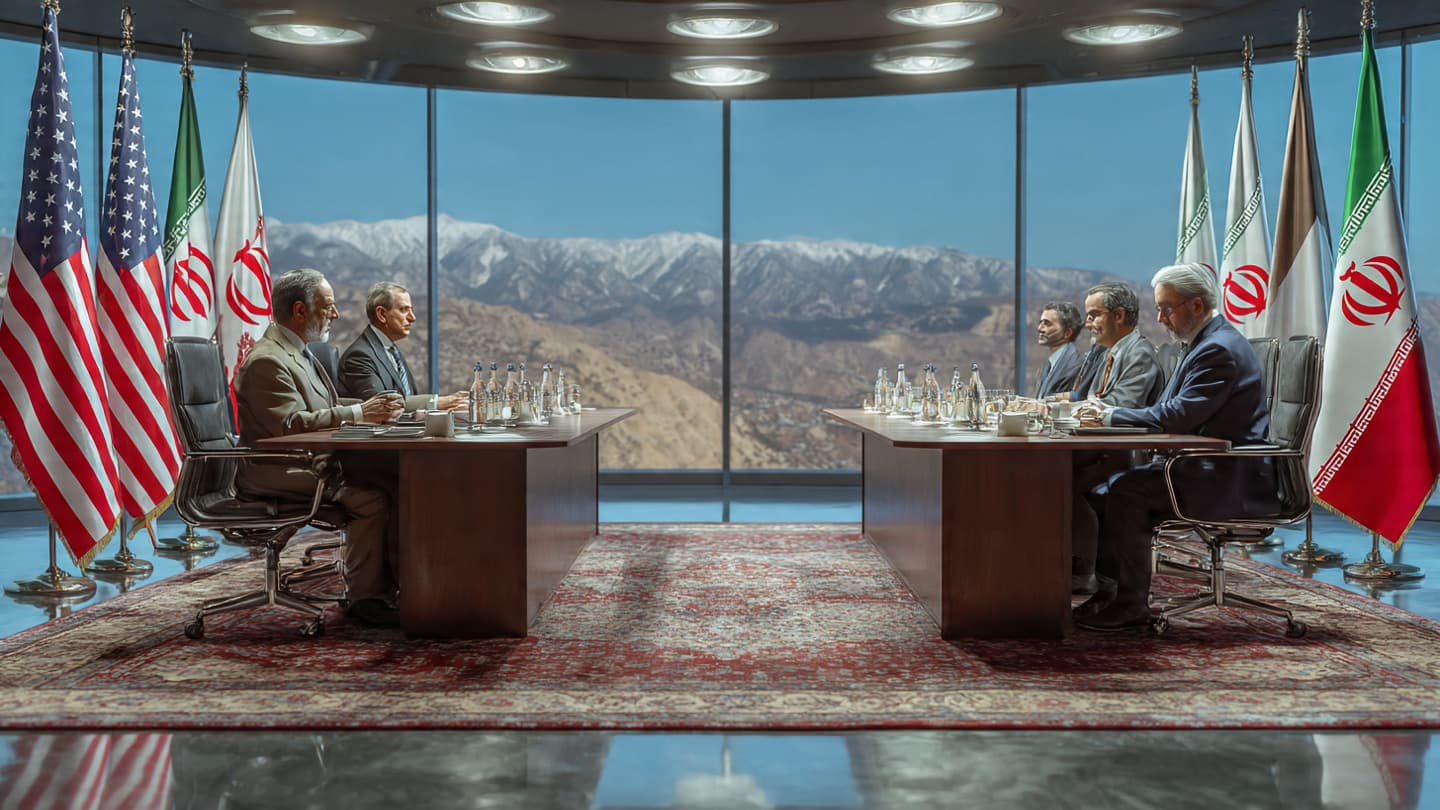
Key Highlights
- Ongoing negotiations between the US and Iran show cautious progress.
- Political divisions in the US are impacting the diplomatic landscape.
- International allies are closely monitoring the situation for broader implications.
[Current State of US-Iran Relations]
Diplomacy often advances in careful steps, shaped as much by hesitation as by ambition. In relations between the United States and Iran, even modest signs of communication can carry global significance, influencing not only regional politics but also energy markets and international security calculations. Recent negotiations have once again drawn attention to the fragile balance between diplomatic engagement and domestic political debate.
Reports from diplomatic observers indicate that negotiations between US and Iranian representatives have shown cautious progress in recent weeks. Discussions reportedly involve issues connected to sanctions, regional security, and nuclear-related commitments, though no final agreement has yet been formally announced. The ongoing dialogue is seen as a potential pathway to easing tensions that have characterized US-Iran relations for decades.
[Political Divisions in the US]
At the same time, political divisions within the United States have become increasingly visible as debates intensify over the possible terms of any future arrangement. Critics from more hawkish political circles argue that negotiations must include strict verification measures and long-term safeguards to ensure compliance from Iran. These voices emphasize the need for a robust framework that addresses not only nuclear concerns but also Iran's regional activities, which they view as destabilizing.
Supporters of continued diplomacy, however, contend that maintaining communication channels may help reduce tensions in the Middle East and lower the risk of wider regional instability. They view negotiation as a practical mechanism for managing strategic disagreements that have persisted for decades. This perspective highlights the importance of dialogue in preventing conflict and fostering a more stable geopolitical environment.
[International Monitoring and Implications]
International allies and regional governments continue monitoring developments closely. European leaders, Gulf states, and global institutions recognize that changes in US-Iran relations can influence maritime security, oil prices, and geopolitical stability far beyond the region itself. The interconnectedness of global markets means that any shifts in diplomatic relations can have immediate repercussions on energy supplies and economic forecasts.
[Market Reactions]
Financial markets have also responded cautiously to reports of diplomatic movement. Energy analysts note that perceptions of stability in the Gulf region can affect investor confidence and commodity forecasts, even before formal agreements are reached. The volatility of oil prices is particularly sensitive to geopolitical developments, making the outcome of these negotiations critical for global economic stability.
[Conclusion]
For now, negotiations remain ongoing without a confirmed resolution. The situation continues evolving gradually, shaped by diplomatic engagement abroad and political debate within Washington, where consensus over the future direction of US-Iran relations remains uncertain. As both sides navigate these complex discussions, the stakes are high, not only for the involved nations but for the broader international community.
Published by Banx Network. This article is part of the Banx decentralized media programme, powered by the BXE token on the XRP Ledger.



