A constitution is often described as a nation’s compass — a quiet document that does not shout, yet steadily points toward shared ideals. In Tanzania, the constitutional promise of dignity, equality, and social justice has long stood as a guiding star. Yet beyond the printed page, the world of labour has been shifting, restless and uncertain, shaped by global shocks, demographic pressures, and technological change. Between principle and practice lies a question both delicate and urgent: how does a nation reconcile its foundational ideals with the realities of a local and global labour crisis?
Tanzania’s Constitution affirms the right to work and underscores the importance of social and economic justice. These commitments resonate deeply in a country where youth form a significant share of the population and where employment is more than income — it is identity, stability, and hope. But like many developing economies, Tanzania faces structural challenges. Informal employment remains widespread, absorbing millions who operate outside formal protections. For many, opportunity exists, but security does not.
Globally, labour markets have entered a period of turbulence. The lingering effects of the COVID-19 pandemic, supply chain disruptions, inflationary pressures, and shifting geopolitical alignments have reshaped job landscapes from New York to Nairobi. Automation and digital platforms are altering traditional sectors, while climate-related transitions are redefining industries from agriculture to energy. Tanzania, integrated into global trade networks, cannot remain untouched by these currents.
At the local level, employers and workers navigate a delicate balance. Businesses seek competitiveness in an increasingly open regional market under the East African Community framework. Workers seek fair wages, safety, and predictability. The constitutional ideal asks that both growth and equity move forward together — not as rivals, but as partners.
There are signs of effort. Labour law reforms over the years have aimed to strengthen worker protections and clarify employer obligations. Government initiatives promoting industrialization and value-added production aspire to generate formal employment. Investment in infrastructure — railways, ports, energy — is framed not only as economic policy but as a pathway to job creation. Yet implementation often determines whether aspiration becomes lived reality.
The youth dimension is particularly significant. Each year, new graduates and school-leavers enter the labour market with expectations shaped by education and digital connectivity. When opportunities align with skills, the constitutional vision feels tangible. When mismatches persist, frustration can quietly accumulate. Bridging this divide requires more than job quantity; it requires job quality, vocational alignment, and entrepreneurial ecosystems that are resilient rather than reactive.
At the same time, global labour debates — from minimum wage discussions to remote work trends — echo across borders. Tanzanian policymakers must weigh international competitiveness against domestic fairness. Too rigid a system may discourage investment; too flexible a system may erode protections. The reconciliation lies not in extremes, but in calibration.
Perhaps the deeper reconciliation is philosophical. A constitution sets direction, but it does not eliminate complexity. Labour markets are living systems, shaped by culture, economics, and global currents. The challenge is not to choose between ideals and realities, but to allow each to inform the other — to let constitutional values guide reform while acknowledging practical constraints.
Tanzania’s path forward may depend on dialogue as much as policy. Dialogue between government and private sector. Between unions and employers. Between rural communities and urban industries. When these conversations remain open, constitutional principles cease to be distant aspirations and become working tools.
In the end, reconciling ideals with crisis is less about dramatic gestures and more about steady stewardship. If the constitution is the compass, then labour policy is the journey — sometimes uneven, often demanding, but guided by a commitment to dignity and shared prosperity.
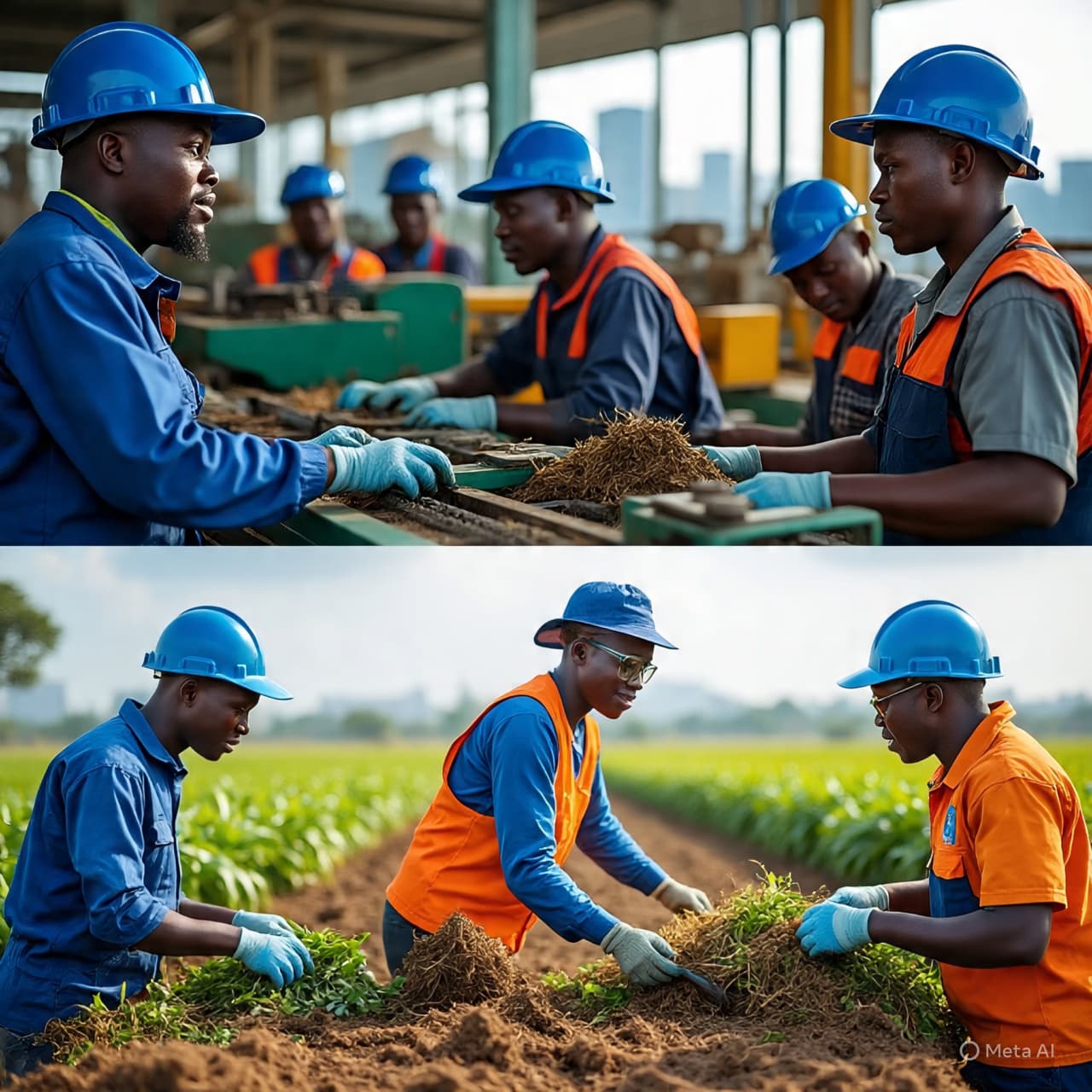
AI Image Disclaimer Illustrations were produced with AI and serve as conceptual depictions.
Sources Reuters BBC News Al Jazeera The EastAfrican The Citizen (Tanzania)
Published by Banx Network. This article is part of the Banx decentralized media programme, powered by the BXE token on the XRP Ledger.