In the rugged and arid landscapes of Yemen, where the echoes of conflict have long resonated through the valleys, a new visual testament to the ongoing strife has emerged. A verified video circulating online captures the smoldering wreckage of a Saudi fighter jet, a stark reminder that the skies above this nation remain a contested domain. This imagery, while difficult to witness, serves as a somber punctuation mark in a narrative that has spanned nearly a decade, inviting reflection on the human and material costs of prolonged warfare.
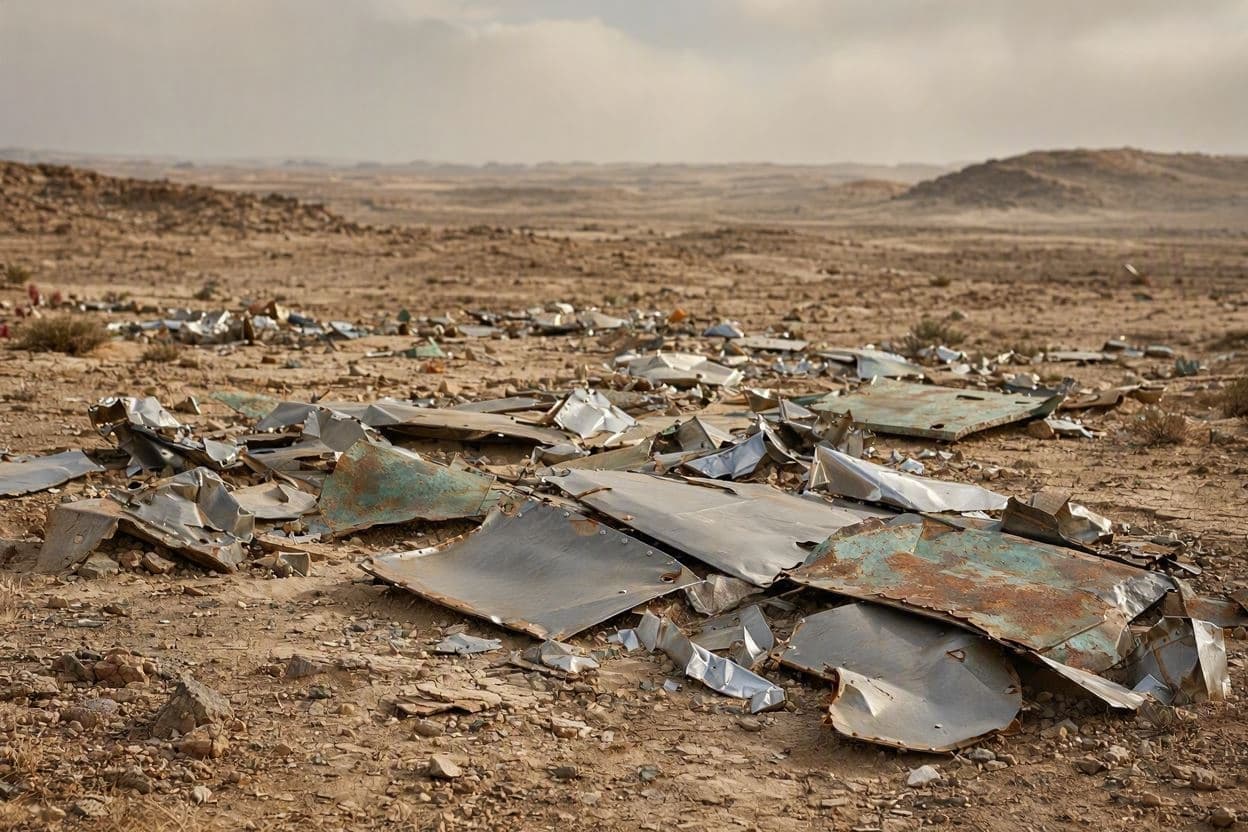
The footage, which has been authenticated by independent open-source investigators, depicts the scattered debris of the aircraft against the barren terrain. The visual evidence confirms reports from Houthi rebels, who claimed responsibility for downing the jet using surface-to-air missiles. While the specific model of the aircraft and the fate of the pilot have not been immediately detailed in the initial reports, the destruction of such advanced military hardware underscores the evolving capabilities of the opposing forces. It is a moment that shifts the perception of the conflict’s balance, however slightly.
For years, the war in Yemen has been characterized by a complex web of regional alliances and proxy dynamics. The involvement of the Saudi-led coalition was intended to restore stability and support the recognized government, yet the persistence of aerial losses suggests that the path to resolution remains fraught with challenges. Each incident of this nature reignites discussions about the efficacy of military intervention and the resilience of insurgent groups who have adapted to high-tech warfare with asymmetric tactics.
The verification process itself is a notable aspect of modern conflict reporting. In an era where misinformation can spread rapidly, the careful analysis of video metadata and visual cues by experts provides a layer of credibility. This diligence ensures that the public discourse is grounded in fact rather than speculation. It highlights the role of digital forensics in bringing clarity to chaotic situations, allowing for a more informed understanding of events as they unfold.
Beyond the immediate tactical implications, the downing of the jet carries symbolic weight. It serves as a reminder that despite diplomatic efforts and ceasefires, the underlying tensions have not fully dissipated. The skies, often seen as a realm of freedom, are here a theater of vulnerability. For the civilians living below, the sound of aircraft may still evoke anxiety, regardless of which side they belong to. The wreckage on the ground is a physical manifestation of this enduring uncertainty.
International observers watch these developments with concern, aware that any escalation could undermine fragile peace processes. The conflict in Yemen has already caused one of the world’s worst humanitarian crises, and further military engagements risk exacerbating the suffering of millions. The video, therefore, is not just a record of a military event but a prompt for renewed diplomatic urgency. It calls for stakeholders to reconsider strategies that prioritize dialogue over confrontation.
As the dust settles on this latest incident, the broader question of how to achieve lasting peace remains paramount. The destruction of military assets is a temporary setback in a long struggle, but it also offers an opportunity for reflection. Can the cycles of retaliation be broken? Can the focus shift from winning battles to securing futures? These are the questions that linger in the air, heavier than the smoke rising from the wreckage.
The verified footage of the downed Saudi fighter jet is a poignant chapter in the ongoing story of Yemen. It reminds us of the tangible realities of war and the need for sustained efforts toward reconciliation. As the international community continues to engage with the region, the hope remains that such incidents will become fewer, paving the way for a future defined by stability rather than conflict.
AI Image Disclaimer: The visual representations accompanying this article are AI-generated illustrations designed to convey the thematic context of the report and do not depict actual footage or photographs of the incident.
Sources: Al Jazeera Reuters Associated Press BBC News
Published by Banx Network. This article is part of the Banx decentralized media programme, powered by the BXE token on the XRP Ledger.