Global commerce increasingly depends on the movement of information as much as the movement of goods. Around the world, logistics companies are adopting digital platforms that provide real-time shipment tracking, automated documentation, and improved operational planning.
Importers, exporters, shipping companies, and warehouse operators are using integrated logistics systems to improve communication while reducing transportation delays. Better visibility allows businesses to respond more quickly to unexpected disruptions across international supply chains.
Artificial intelligence and cloud technology are also supporting predictive logistics by helping companies forecast demand and optimize transportation routes. These innovations contribute to more reliable and efficient commercial operations worldwide.
Industry observers believe digital logistics will remain one of the defining forces shaping the future of international trade as businesses continue investing in smarter and more connected supply chain technologies.
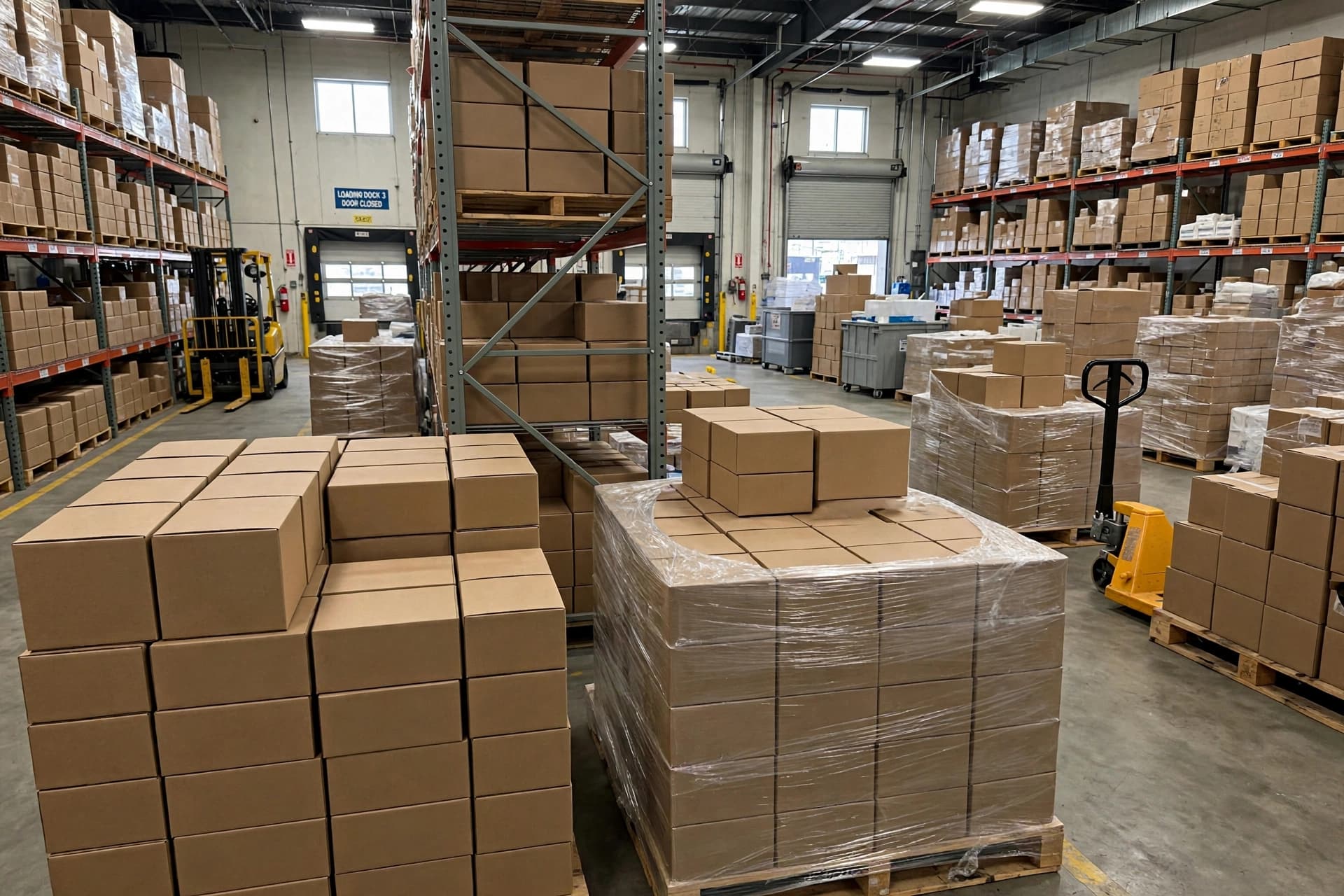
AI Image Disclaimer: Graphics are AI-generated and intended for representation, not reality.
Source Check: Reuters, Bloomberg, Financial Times, AP News, Lloyd's List.
Published by Banx Network. This article is part of the Banx decentralized media programme, powered by the BXE token on the XRP Ledger.