
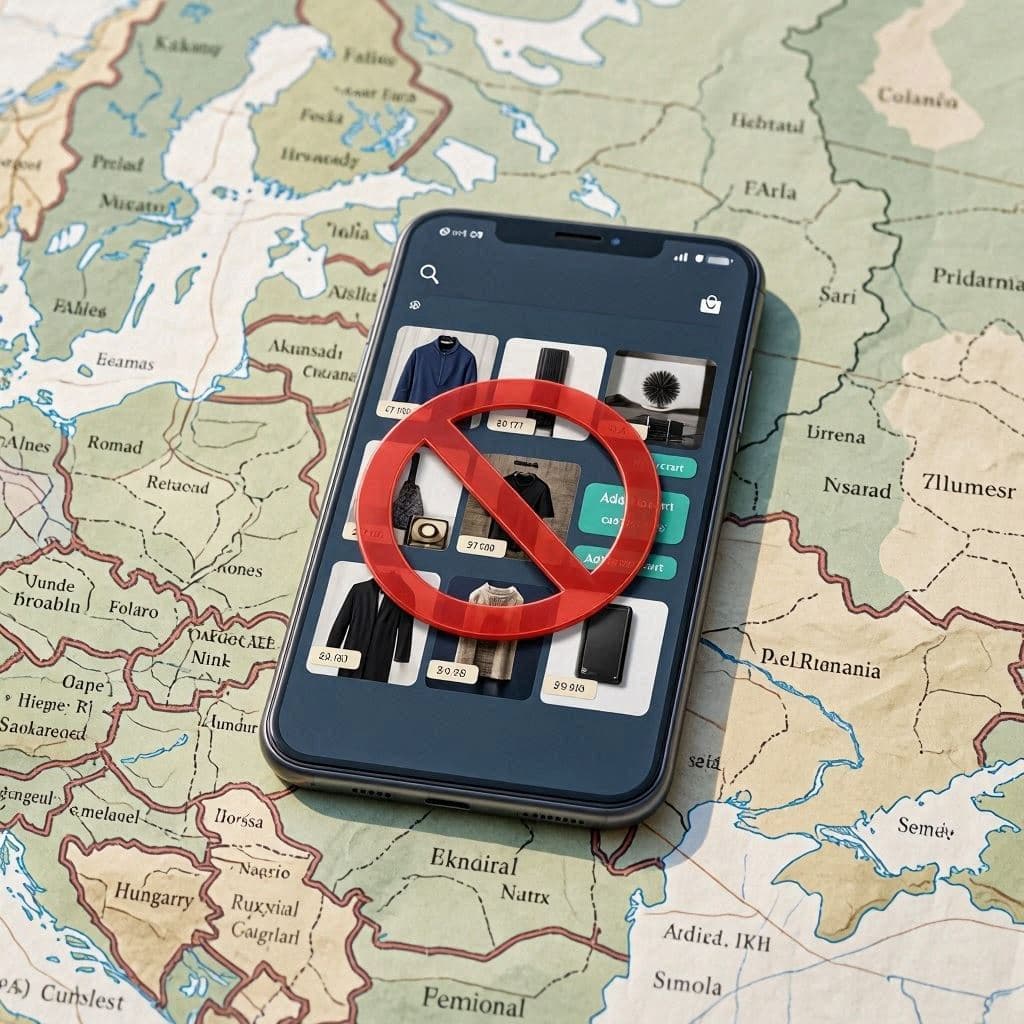
In the digital age, commerce often transcends borders, connecting consumers with goods from across the globe through seamless online platforms. Yet, when geopolitical tensions rise, these virtual bridges can quickly become targets of national security concerns. Wildberries, Russia’s largest e-commerce retailer, has found itself at the center of such a storm in Ukraine. Once a popular destination for affordable fashion and household items, the platform is now facing sanctions and scrutiny. This shift invites reflection on how economic interdependence clashes with political reality, and how consumers navigate the complex ethics of global trade during conflict.
Body: Wildberries entered the Ukrainian market with ambition, offering a vast array of products at competitive prices. For many Ukrainians, it became a convenient option for shopping, similar to how Amazon serves customers in the United States. However, the company’s Russian origins have made it a focal point for criticism since the escalation of hostilities between the two nations. Critics argue that continuing to do business with a Russian entity indirectly supports an economy linked to military aggression.
The Ukrainian government has responded by imposing sanctions on Wildberries, citing national security risks. These measures include blocking the platform’s operations and freezing assets. The decision reflects a broader strategy to reduce economic ties with Russia and isolate its commercial sector. For Ukrainian authorities, this is not just about economics but about sending a clear message of resistance and solidarity with national sovereignty.
For consumers, the ban presents practical challenges. Many had grown accustomed to the convenience and variety offered by Wildberries. Finding alternative sources for certain goods may require adjustments in shopping habits and potentially higher costs. The transition highlights the tangible impact of geopolitical decisions on daily life, reminding us that politics often reaches into the most mundane aspects of existence.
Wildberries has argued that its operations benefit local entrepreneurs and provide affordable goods to consumers. The company claims that sanctions harm ordinary people rather than the state. However, this perspective is largely rejected by Ukrainian officials and many citizens, who view any financial flow to Russian businesses as problematic. The debate underscores the difficulty of separating commerce from politics in times of war.
The situation also raises questions about the role of international tech platforms in conflict zones. As digital services become essential infrastructure, their neutrality is increasingly questioned. Governments are more willing to regulate or block foreign services that are perceived as threats. This trend suggests a future where the internet is more fragmented, with national boundaries playing a larger role in digital access.
Support for the sanctions remains strong among many Ukrainians, who see it as a necessary step in defending their country. Civil society groups have encouraged boycotts of Russian products, fostering a culture of conscious consumption. This grassroots movement complements government actions, creating a unified front against economic engagement with the aggressor.
Closing: The targeting of Wildberries in Ukraine is a stark example of how war reshapes economic landscapes. It demonstrates that in times of conflict, even online shopping becomes a political act. As the situation evolves, the balance between convenience and conscience will continue to define consumer behavior in the region.
AI Image Disclaimer: The images accompanying this article are AI-generated conceptual illustrations of e-commerce interfaces and digital maps, designed to visualize the themes of online retail and geopolitical boundaries.
Sources: Kyiv Post Reuters Baker McKenzie Sanctions News Business of Fashion
Published by Banx Network. This article is part of the Banx decentralized media programme, powered by the BXE token on the XRP Ledger.



.jpg&w=3840&q=75 "Same-Sex Couple Sue Slovakia Over Refusal to Register Their Marriage")