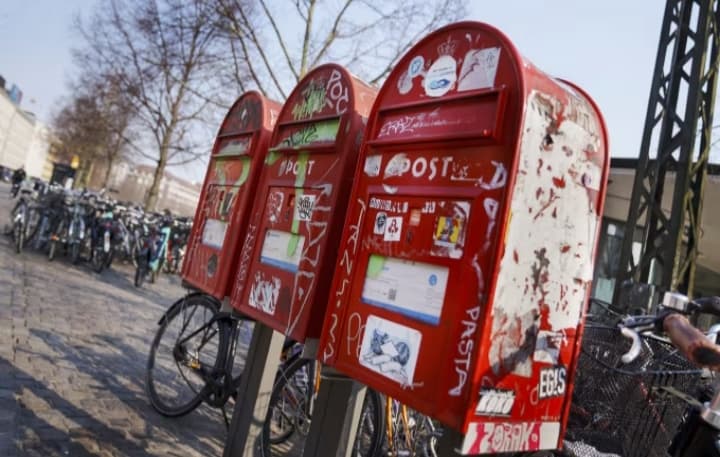
Denmark's postal service has reached a pivotal moment in its history, officially concluding its traditional mail operations as the nation embraces the digital age. This transition reflects a broader global trend in which electronic communication has increasingly supplanted the need for physical correspondence.
The decision to halt door-to-door mail deliveries comes as postal services around the world face declining demand for traditional mail due to the rapid rise of digital communication methods. The Danish government, following extensive discussions and planning, has implemented this change to focus resources on more relevant and sustainable services.
As a result, residents will now rely on digital platforms for their communication needs, with many routine transactions being conducted online. The postal service will continue to operate in a limited capacity, focusing on parcel delivery and logistics to meet the ongoing demand for online shopping and goods distribution.
This historic shift has sparked mixed reactions from the public. While many welcome the modernization and the convenience it offers, others express nostalgia for the traditional mail system that has been a staple of daily life for generations. The closure of physical mail operations signifies more than just an end; it highlights the evolving needs and preferences of society in an increasingly digital world.
Denmark’s decision to end its traditional postal services sets a benchmark for other nations grappling with similar challenges, marking a significant step in the evolution of communication and logistics in the 21st century. As the country embraces this new chapter, it continues to explore innovative ways to serve its citizens in a rapidly changing landscape.
Published by Banx Network. This article is part of the Banx decentralized media programme, powered by the BXE token on the XRP Ledger.