The question hangs in the air, provocative and slightly absurd: Did ancient humans spend 100,000 years doing nothing? It is a notion that challenges our modern obsession with productivity, suggesting a vast expanse of time where our ancestors simply existed without significant technological or cultural advancement. While the premise is a simplification, it invites a deeper look at the pace of human evolution and the definition of progress. It asks us to reconsider what it means to be active, creative, and human in the deep past.
Archaeological records show that for long periods, particularly during the Middle Stone Age, tool technologies remained relatively stable. Unlike the rapid innovations of the last few thousand years, changes in stone tools and hunting methods occurred slowly, over millennia. To a modern eye, accustomed to yearly updates and daily news, this stability might look like stagnation. However, for early humans, consistency was a virtue. If a tool worked, there was little pressure to change it. Survival, not novelty, was the goal.
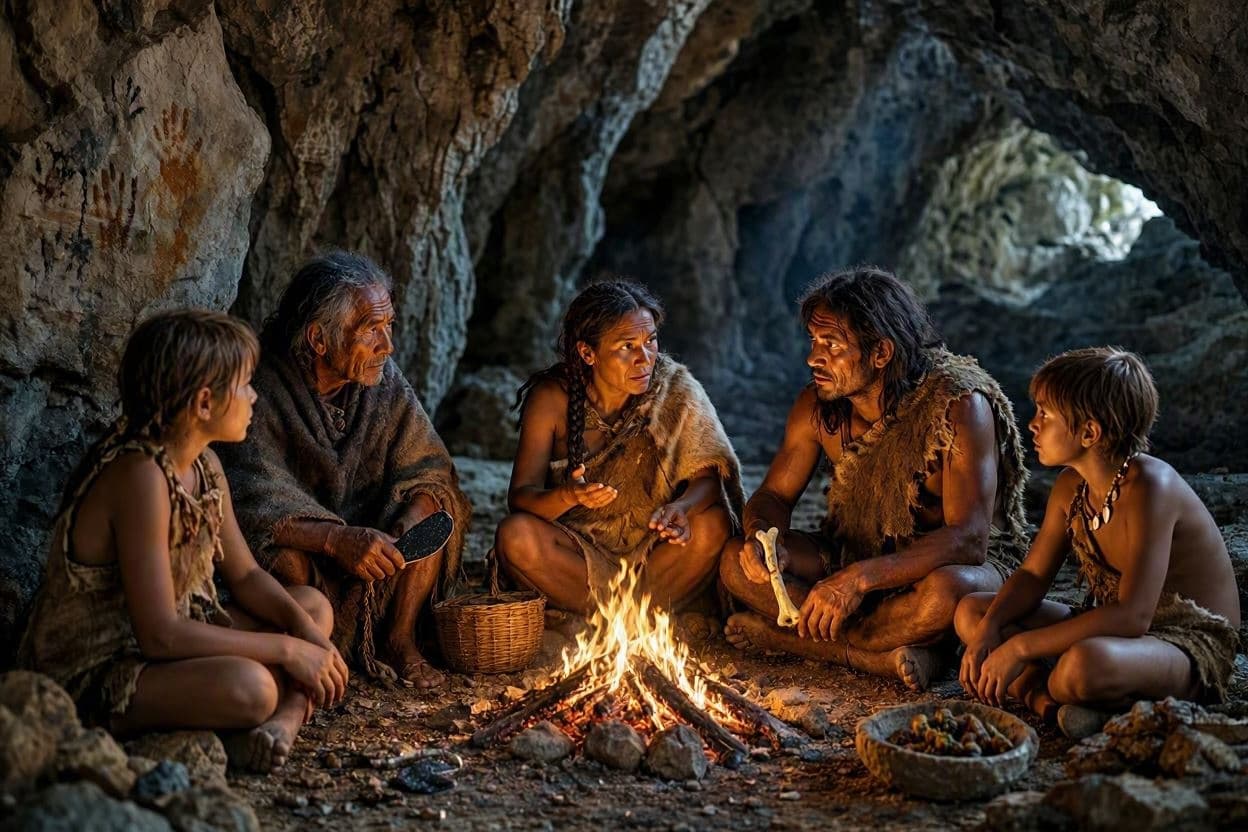
This period was not one of idleness, but of adaptation and mastery. Humans were spreading across diverse environments, from African savannas to European forests. They were learning to control fire, developing complex social structures, and engaging in symbolic behavior. Recent discoveries of ancient jewelry, cave paintings, and musical instruments suggest that creativity and expression were very much alive, even if they did not result in immediate technological leaps. "Doing nothing" is a mischaracterization of a rich, albeit slow, cultural evolution.
The concept of boredom, as we understand it today, likely did not exist for ancient humans. Their lives were filled with the immediate demands of survival: finding food, avoiding predators, and caring for kin. Leisure, in the modern sense, was a luxury they could not afford. Yet, within these constraints, they found ways to connect, share stories, and make meaning. The absence of digital distraction meant a different kind of engagement with the world, one that was deeply observational and communal.
Some researchers argue that the perceived "laziness" of certain hominin species, such as Homo erectus, is a misinterpretation of energy conservation. In environments where resources were scarce, minimizing unnecessary exertion was a smart survival strategy. What looks like inactivity might have been careful resource management. This perspective shifts the narrative from one of deficiency to one of efficiency, highlighting the intelligence required to thrive in challenging conditions.
The acceleration of change in recent millennia is an anomaly, not the norm. For most of human history, life moved at the pace of nature. Seasons dictated rhythms, and generations passed with subtle shifts rather than dramatic revolutions. Recognizing this helps us appreciate the resilience of our ancestors, who maintained stable societies for thousands of years without the constant churn of innovation. It was a different kind of success, one based on sustainability rather than growth.
Today, as we grapple with burnout and the pressure to constantly produce, the story of ancient humans offers a gentle counterpoint. It reminds us that stillness and stability are not failures but valid states of being. The 100,000 years of "doing nothing" were actually years of being—of living, loving, and surviving in harmony with the environment. It is a reminder that human worth is not solely defined by output or invention.
In the end, the question is less about whether ancient humans did nothing and more about how we define action. Their legacy is not just in the tools they left behind, but in the very fact of our existence. They endured, adapted, and thrived, laying the groundwork for the complex world we inhabit today. Their silence in the archaeological record is not emptiness, but a deep, resonant hum of life that continued uninterrupted for millennia.
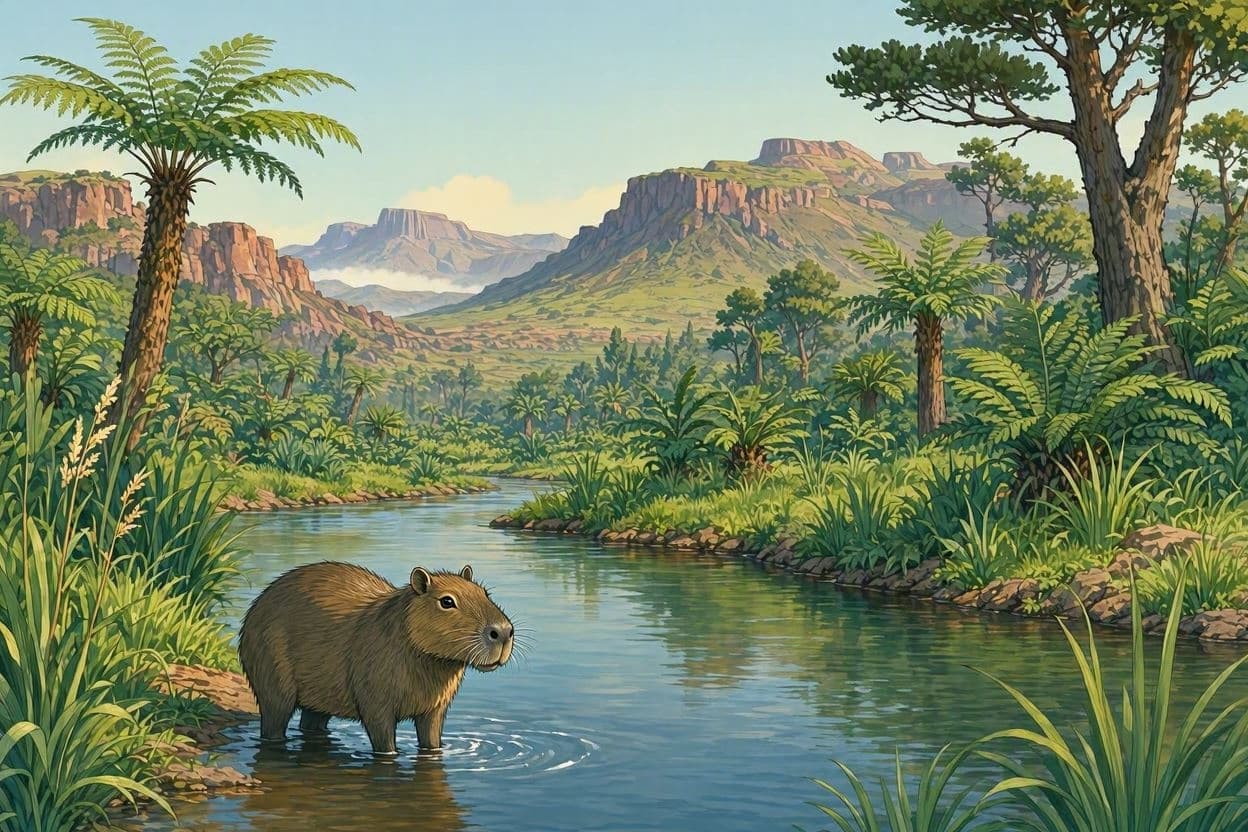
AI Image Disclaimer: The visual aids included here are AI-generated illustrations depicting prehistoric life and conceptual themes, not actual photographs of ancient humans or specific archaeological sites.
Sources: Medium (Lessons from History) Big Think Popular Science
Published by Banx Network. This article is part of the Banx decentralized media programme, powered by the BXE token on the XRP Ledger.