In the dynamic terrain of global natural‑resource diplomacy, subtleties in partnership can signal bigger shifts in economic direction. For Botswana, a nation long synonymous with diamond wealth and emerging mineral ambitions, recent overtures toward Russia mark a noteworthy chapter in its quest for diversified mining development. As government officials extend invitations to Russian investors, the move reflects both Botswana’s confidence in its stability and a broader effort to expand its global partnerships amid changing market currents.
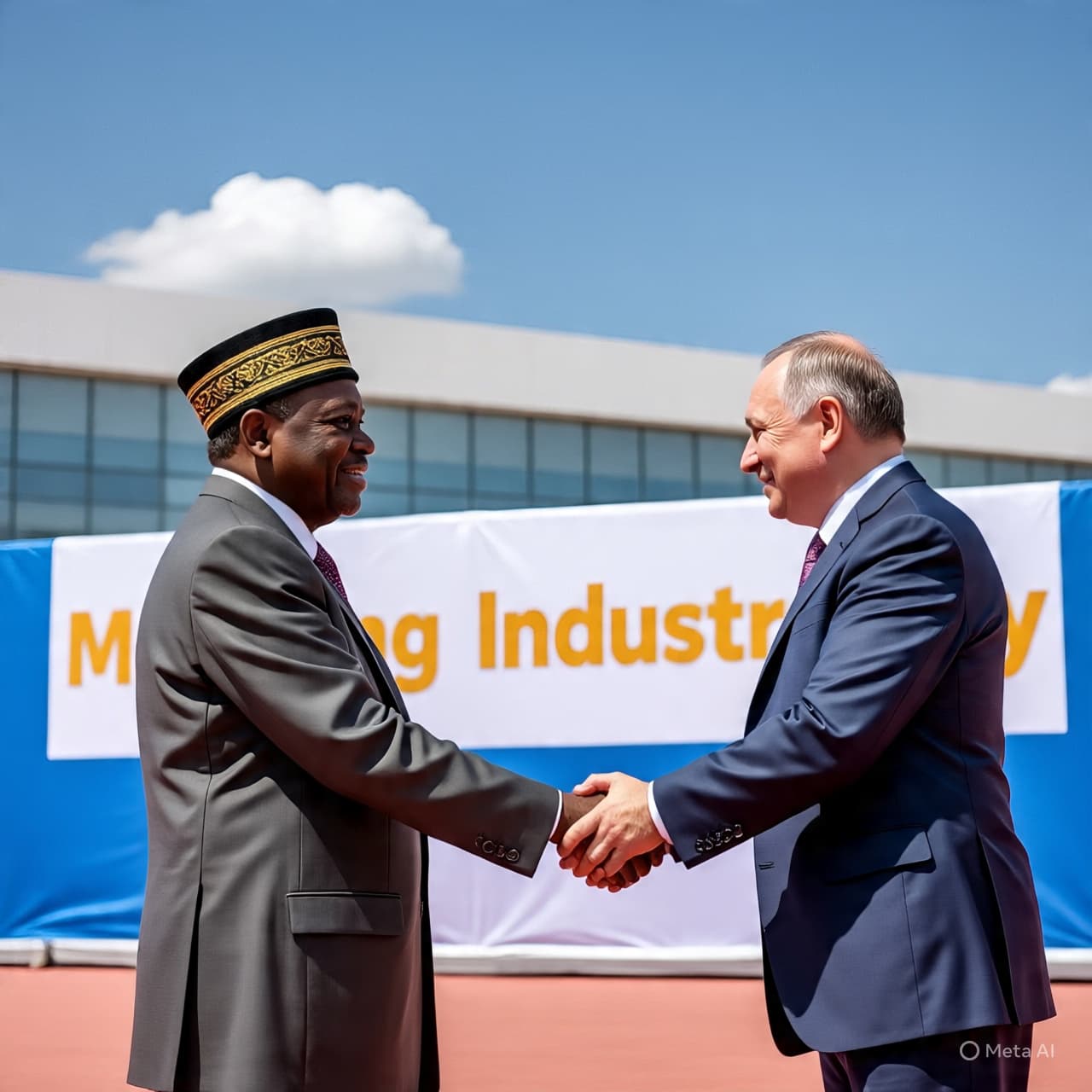
Botswana’s Minister of International Relations, Phenyo Butale, has been actively encouraging Russian investment in the country’s rich diamond and rare earth mineral sectors, highlighting Botswana’s political and economic stability as an attractive foundation for long‑term projects. The outreach comes alongside plans to open a Botswana embassy in Moscow, a step intended to strengthen diplomatic and commercial ties and create smoother channels for investment discussions.
The discussions with Russian counterparts are not limited to one facet of mining. While Botswana remains a global leader in diamond production — with the industry historically contributing about one‑third of national revenue and three‑quarters of foreign exchange earnings — the government sees opportunities to invite expertise and capital into both rare earth minerals and the traditional gemstone sector. These rare earth elements are increasingly valuable as critical inputs for modern technologies, from electronics to clean energy systems.
Russia, meanwhile, has shown an interest in deepening its footprint in African resource markets at a time of geopolitical competition. Botswana’s overtures echo this broader context, suggesting mutual interest in exploring partnerships that could leverage Russian mining experience and Botswana’s resource base. In past decades, Russian mining companies — such as world‑leading diamond producer Alrosa — have engaged in collaborative ventures across Africa, sharing technical expertise in exploration and production.
Botswana’s pivot toward Russian engagement also reflects a strategic response to shifting global dynamics in the mining sector. With Western markets — particularly the G7 group’s stringent rules on diamond sourcing and certification — evolving rapidly, cultivating diverse international support can help Botswana maintain resilience and broaden market access. That includes preparing for future demand fluctuations and technological changes in mineral supply chains.
As Botswana moves to deepen ties with Russia in mining and minerals, the initiative underscores the country’s proactive approach to economic development and international cooperation. For Gaborone, exploring such partnerships is not merely about immediate capital flows but about strategically positioning the nation in a complex, interconnected global resource landscape. Whether this collaboration unfolds into substantial project outcomes will depend on how partners align commercial ambitions with sustainable development goals and market realities in the years ahead.
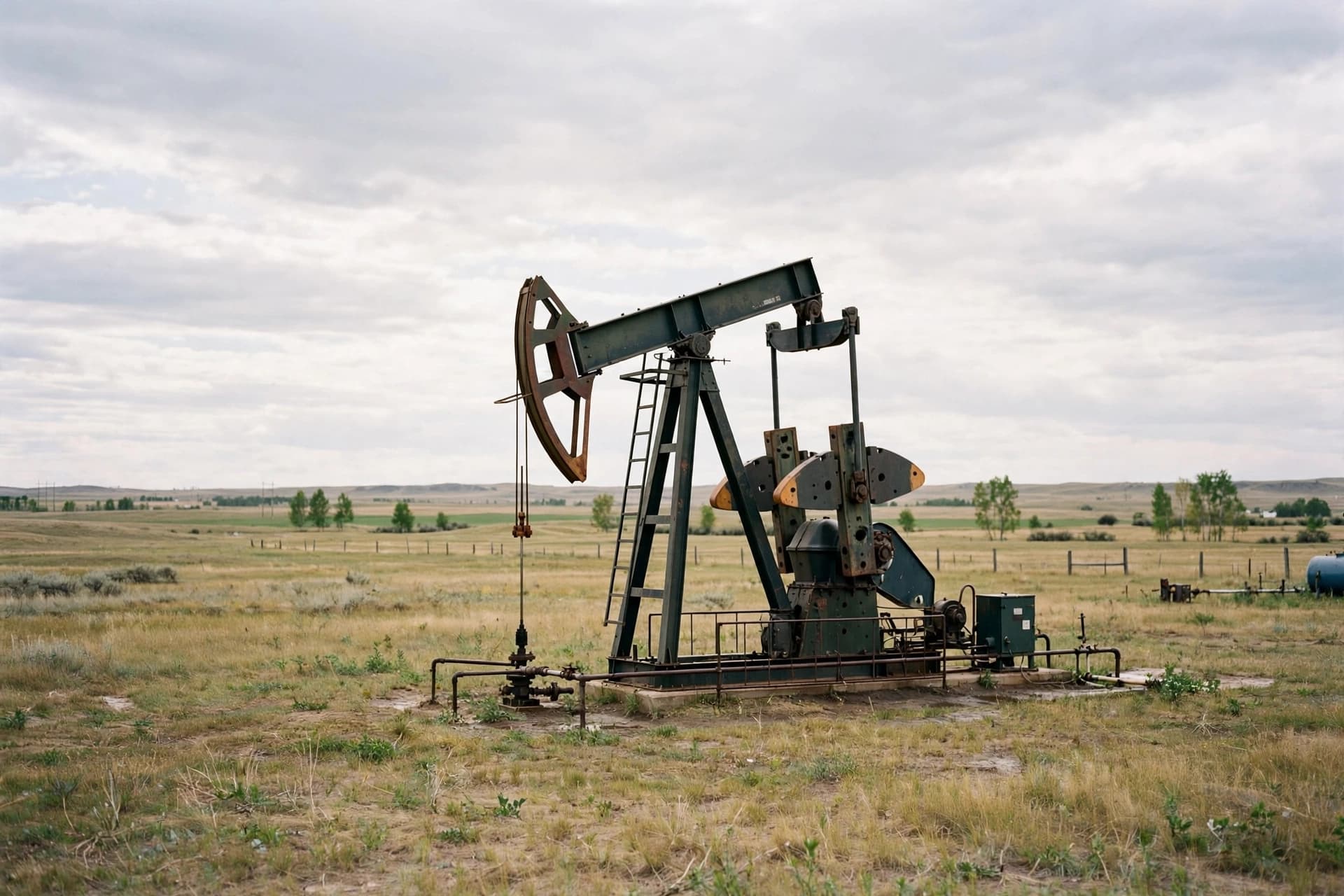
AI Image Disclaimer “Visuals are created with AI tools and are not real photographs, meant for conceptual illustration.”
Sources: Botswana to open embassy in Moscow, invite Russian investors (Reuters) ; Botswana Eyes Collaboration with Russia in Mining Development (Energy Capital Power) ; mining outreach and investor encouragement details (TimesLive) ; Botswana‑Russia mining engagement context (Mining Business Africa) ; global diamond certification and market dynamics (Rapaport)
Published by Banx Network. This article is part of the Banx decentralized media programme, powered by the BXE token on the XRP Ledger.