
Key Highlights
- Ongoing diplomatic efforts emphasize dialogue in the Middle East.
- Political leaders stress communication to prevent escalation.
- International mediators support discussions and confidence-building measures.
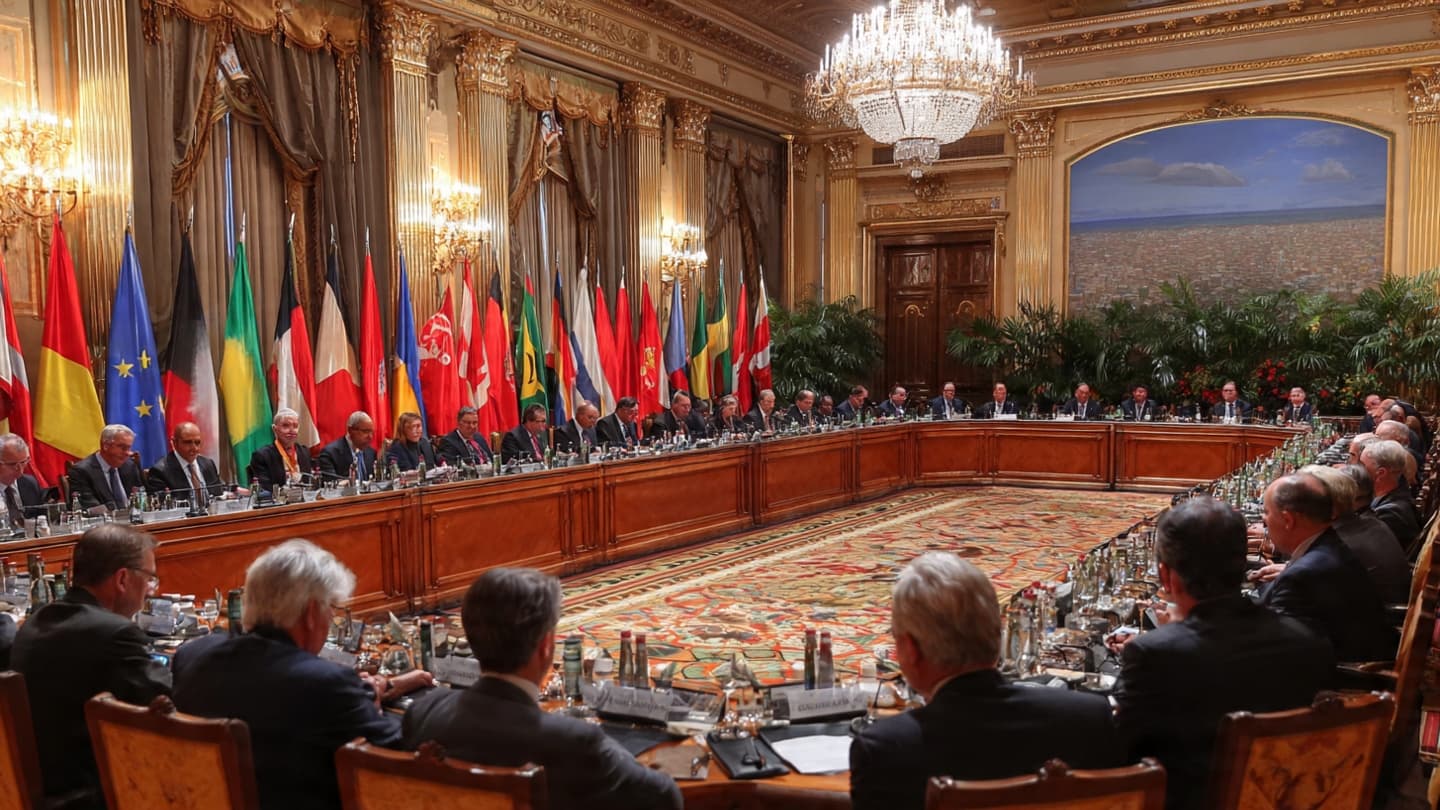
Political leaders across several countries are increasingly vocal about the critical role of dialogue in the Middle East as tensions persist in various regions. The ongoing conflicts and political instability have prompted leaders to prioritize communication as a means to prevent misunderstandings that could lead to further escalation. This emphasis on dialogue is seen as a necessary step in fostering a more stable environment in a region often marked by conflict.
Diplomatic efforts are currently focused on maintaining open channels of communication among governments, even in the face of significant disagreements. Observers note that the stability of the region heavily relies on consistent engagement between nations. This engagement is crucial not only for addressing immediate concerns but also for laying the groundwork for long-term peace and cooperation.
International mediators, including representatives from various global organizations, remain active in supporting discussions among conflicting parties. Their role is to facilitate dialogue and encourage confidence-building measures that can help reduce tensions. These mediators work tirelessly to ensure that all voices are heard and that the path to resolution is clear, despite the complexities involved.
While challenges remain, including deep-seated mistrust and historical grievances, the consensus among political analysts is that continued dialogue is essential for maintaining peace and reducing uncertainty in the region. The potential for dialogue to transform adversarial relationships into cooperative ones is a key focus for many leaders.
As the situation evolves, the international community watches closely, hoping that sustained dialogue will lead to meaningful progress. The importance of communication cannot be overstated, as it serves as the first line of defense against conflict escalation. Leaders are urged to remain committed to this approach, recognizing that the stakes are high for both regional and global stability.
In conclusion, the ongoing emphasis on dialogue highlights a collective understanding among political leaders that engagement is vital for peace. As tensions continue to simmer, the hope is that these diplomatic efforts will pave the way for a more stable and secure Middle East.
Published by Banx Network. This article is part of the Banx decentralized media programme, powered by the BXE token on the XRP Ledger.



