Key Highlights
- Project Start:Pokhara Metropolitan City begins clearing land for a modern bus park.
- Historical Context:The land acquisition dates back to 1973, with significant delays.
- Community Impact:572 households face relocation as part of the project.
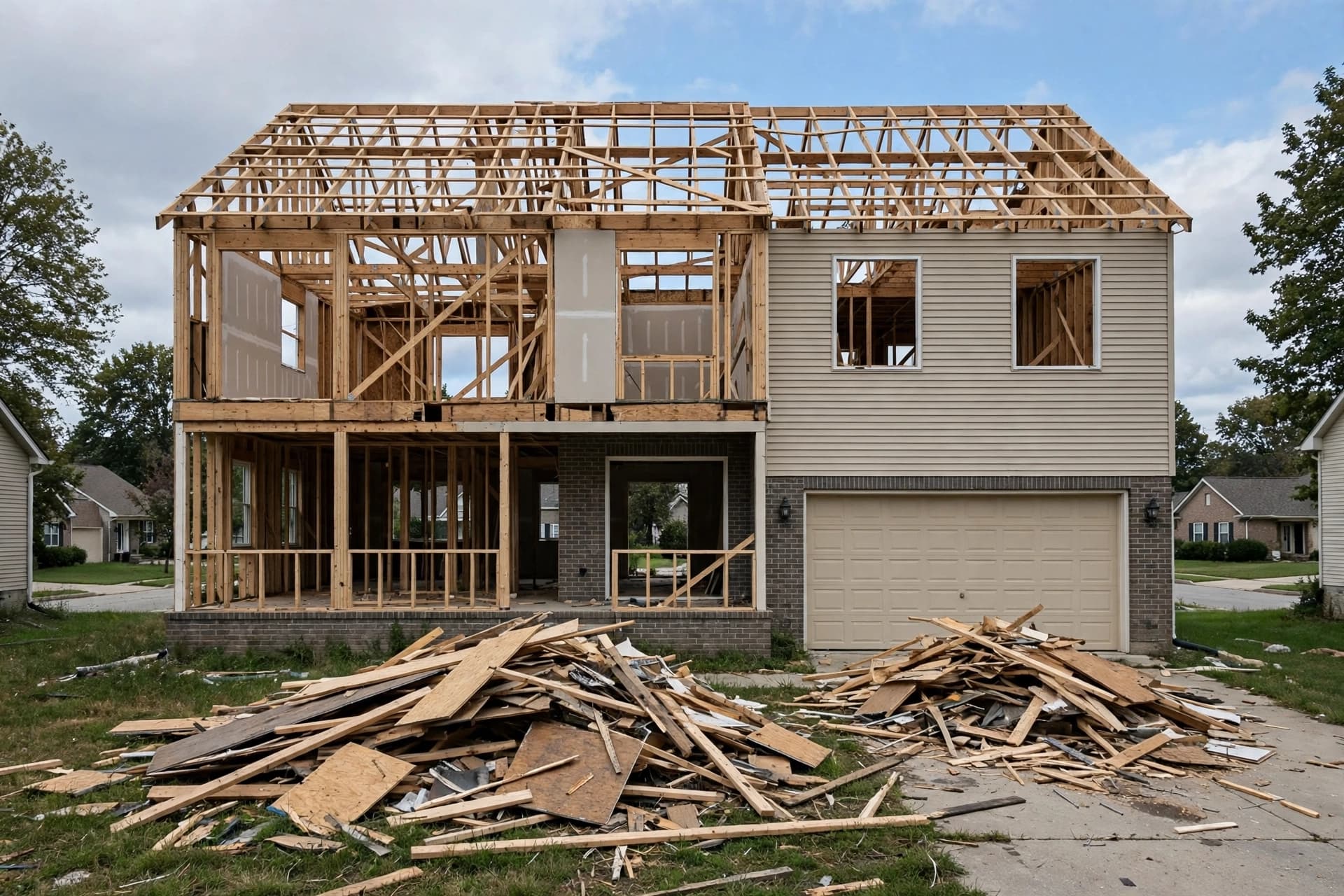
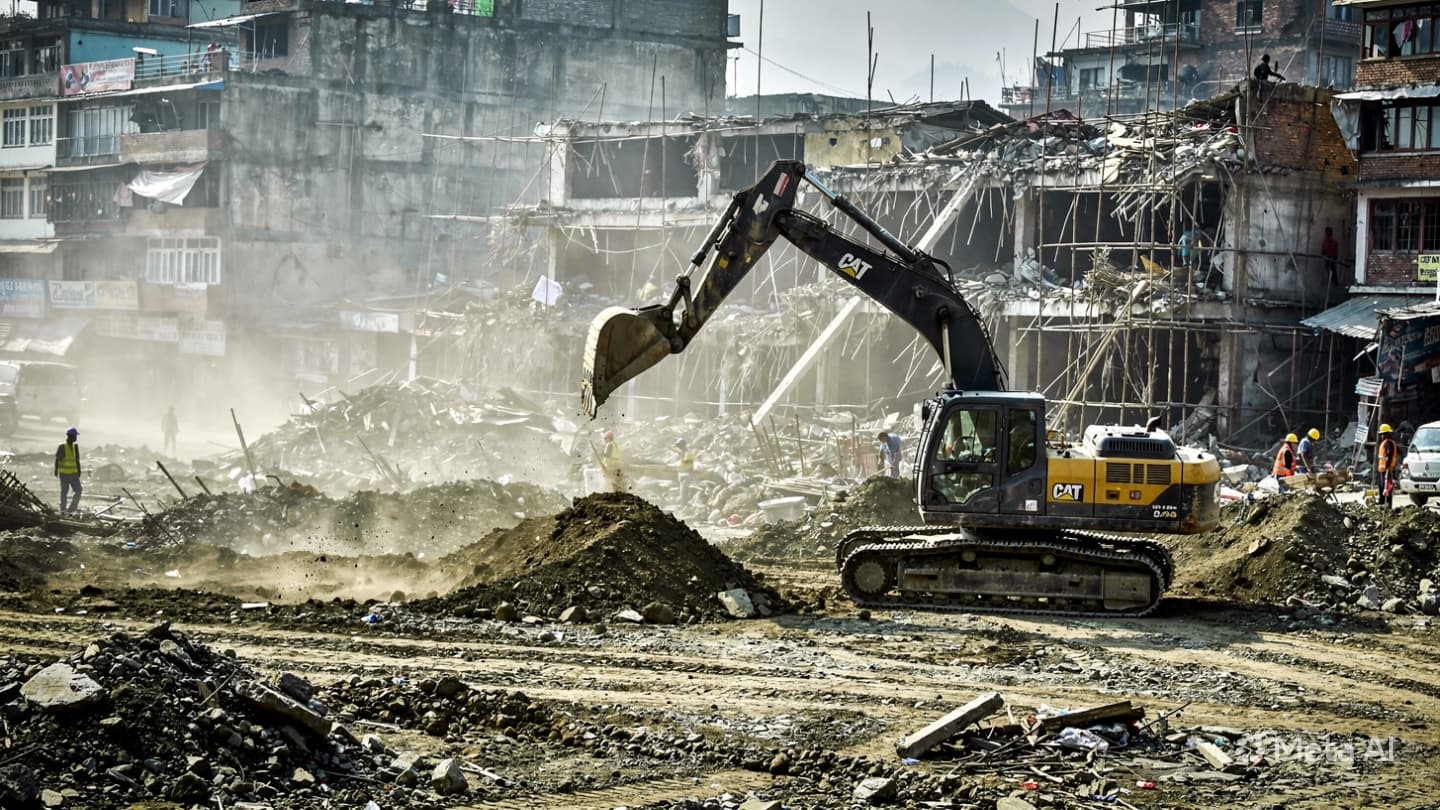
Pokhara, Nepal—Pokhara Metropolitan City has officially commenced the clearing of the Prithvi Chowk site as of June 23, 2026, marking a significant step towards the construction of a modern, well-equipped bus park. This initiative aims to alleviate the city's chronic transport congestion, a long-standing issue for residents and visitors alike. The clearing operation involved bulldozers dismantling commercial structures, including the Bastola Complex, which has been a fixture in the area for decades. This development represents the most substantial progress on the project in nearly five decades, as the land was originally acquired for this purpose in 1973 but had remained mired in bureaucratic delays.
City officials and local police supervised the demolition to ensure a smooth transition, as the area was previously occupied by shops and private businesses. The sight of the demolition has been welcomed by many residents, who view it as a long-awaited sign that the city is finally taking action to address its transport challenges. However, the clearance of commercial structures is just the beginning of a complex project that still faces significant hurdles.
One of the primary challenges is the presence of three informal squatter settlements within the project boundaries, housing a total of 572 households. Mayor Dhanraj Acharya has emphasized the city's commitment to a humanitarian approach, assuring that no residents will be evicted without alternative housing arrangements. The city is currently in the process of verifying the credentials of each family residing in the settlements, with the mayor warning that those who provide false information during this process could face legal repercussions.
Representatives from the squatter communities have expressed a willingness to relocate, contingent upon the identification of a suitable site by the city. Prem Gurung, chairman of the informal settlers' committee, stated that the community does not wish to obstruct the city’s development goals. They are now awaiting the city’s resettlement plan, which has yet to be finalized, leaving many families in a state of uncertainty.
In response to the complexities surrounding land distribution, the metropolis has formed a judicial committee led by a former judge. This committee is tasked with investigating the history of land allocation in the area, particularly decisions made by the Pokhara Valley Town Development Committee that previously allocated some of the acquired land to private individuals. The findings of this inquiry are still pending, adding another layer of complexity to the project.
The new bus park is seen as a crucial upgrade for Pokhara’s tourism and logistics sectors. The city has experienced rapid growth, and the absence of a formal, centralized bus terminal has long been a source of frustration for transport operators and the public. City planners are optimistic that construction can commence within the current fiscal year once the land is fully cleared.
As the site transitions, the city has pledged to maintain open communication with the affected families. However, the timeline for the final relocation of the 572 households remains uncertain. The success of the bus park project will largely depend on how effectively the city navigates the social and legal complexities in the months ahead, ensuring that the needs of the community are met while advancing urban development goals.
Published by Banx Network. This article is part of the Banx decentralized media programme, powered by the BXE token on the XRP Ledger.