Night does not fall evenly in wartime. Over the rooftops of Tehran, the darkness has been punctured by sudden flashes, the horizon briefly turning white before collapsing back into smoke. In Tel Aviv, sirens have become a recurring echo, sending families down stairwells and into reinforced rooms as the sky above fills with the thin streaks of interceptors. Between those two cities stretches a widening arc of retaliation — airstrikes answered by missile fire, statements followed by fresh explosions.
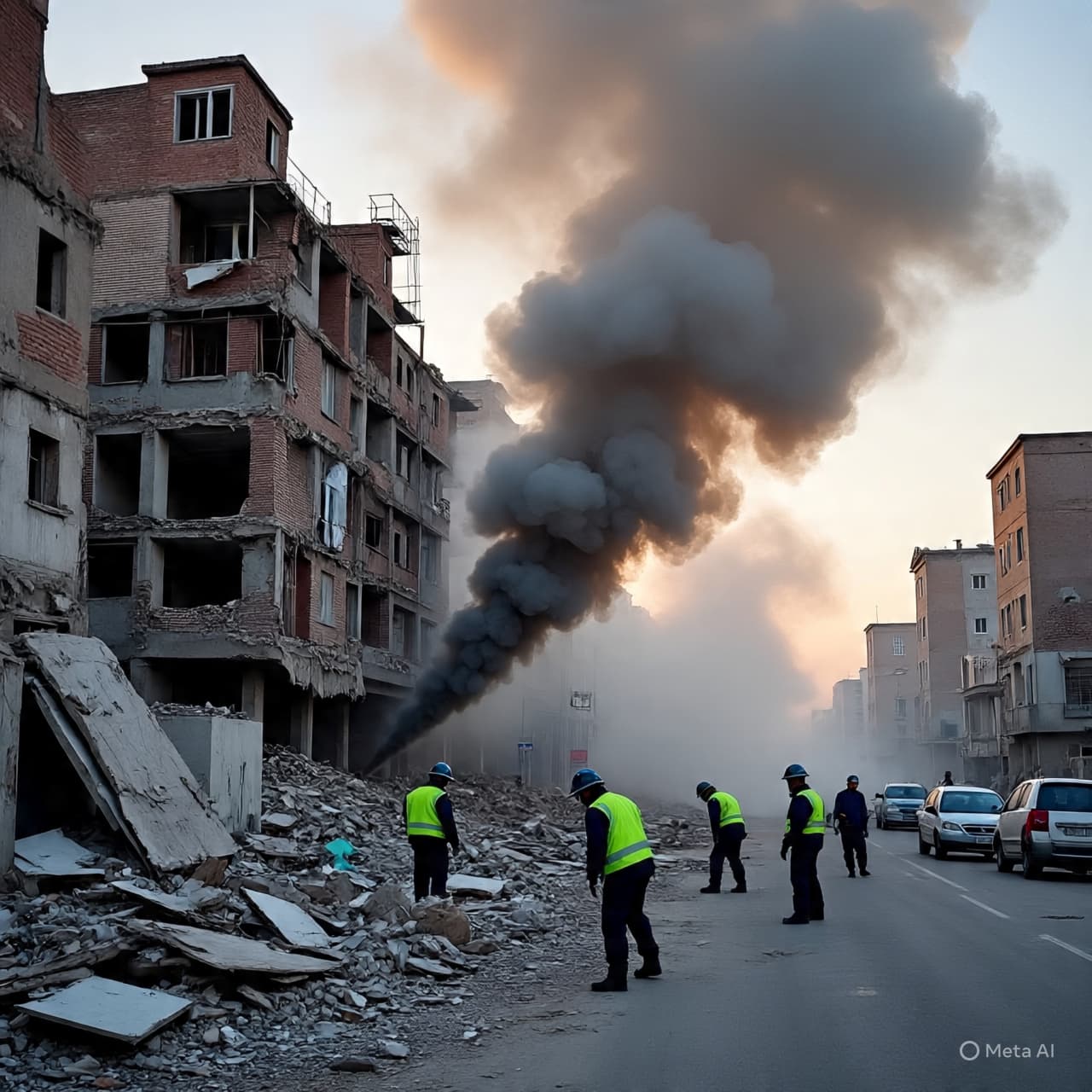
Israeli forces, supported by the United States military, have continued sustained air attacks across Iran, targeting missile facilities, military installations, and strategic infrastructure. Officials describe the campaign as an effort to degrade Iran’s offensive capabilities and prevent further attacks. Iranian authorities report that the strikes have killed hundreds, with civilian neighborhoods among the areas damaged. Hospitals in multiple provinces are treating waves of injured as emergency crews sift through debris.
Iran’s response has been sweeping. Over successive nights, the country has launched hundreds of ballistic missiles and drones toward Israel. While many projectiles have been intercepted by layered air defenses, others have struck residential districts and urban centers. Israeli officials confirm rising casualties and significant structural damage, as rescue teams work through shattered glass and collapsed facades.
The conflict has drawn the United States further into direct confrontation. American forces involved in the strikes have acknowledged casualties, underscoring the human cost beyond the region itself. Military officials in Washington maintain that their operations are defensive and coordinated closely with Israel, but the acknowledgment of American deaths signals a deepening entanglement.
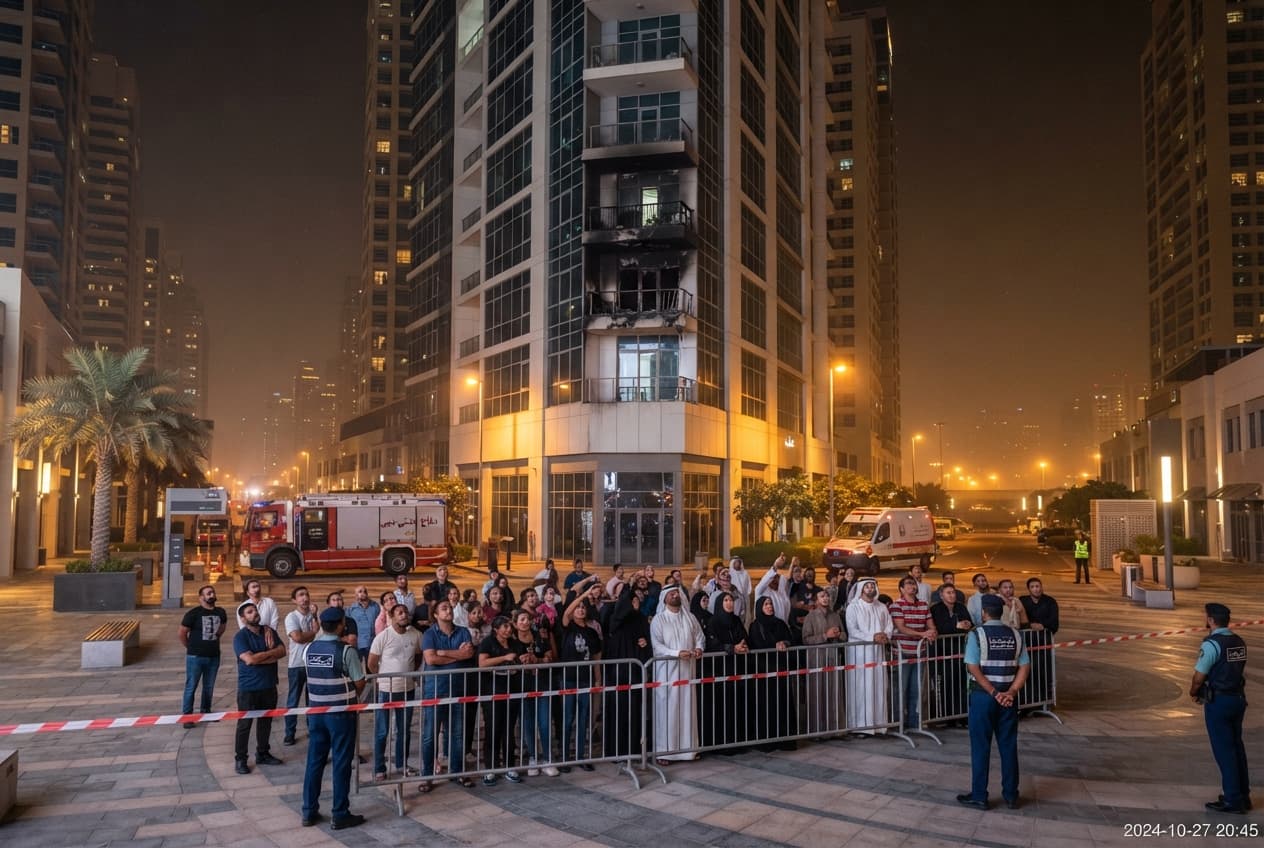
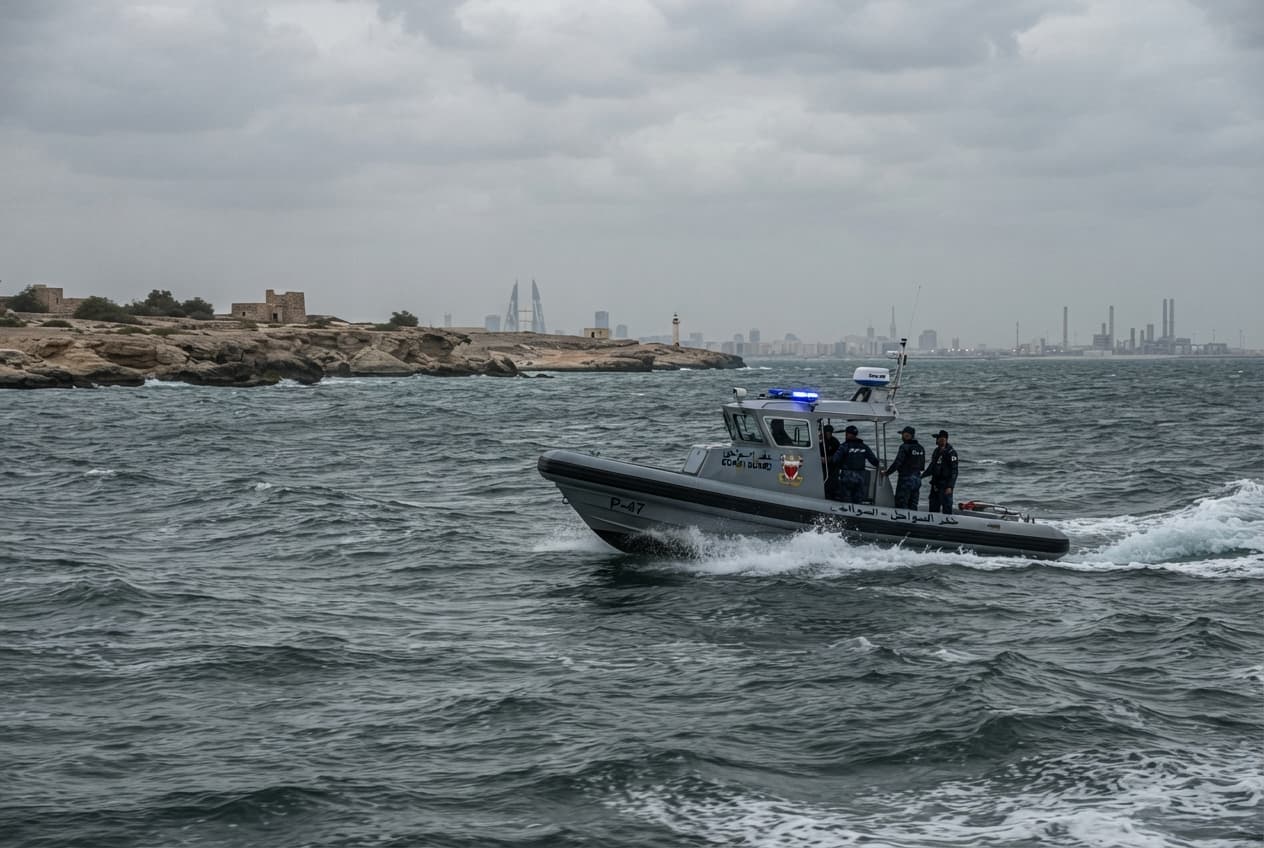
Beyond Iran and Israel, the shockwaves have rippled outward. Missiles and drones have crossed into the airspace of Gulf states, some intercepted, others landing with deadly effect. Governments across the region have heightened security, restricted civilian flights, and urged calm among populations already wary of instability. Oil markets fluctuate; diplomatic channels strain to keep pace with events that move faster than statements can contain.
The scale of the exchange marks one of the most direct confrontations between Israel and Iran in modern memory. For years, tensions simmered through proxy battlegrounds and covert operations. Now the strikes are overt, the trajectories visible, the consequences immediate. Analysts warn that the arithmetic of deterrence becomes harder to balance as casualty figures climb and public pressure mounts on leaders to respond decisively.
In both Tehran and Tel Aviv, daily life narrows to essentials. Schools close intermittently. Businesses shutter early. Parents measure time by the interval between alerts. Each explosion, whether near or far, carries the weight of escalation — the possibility that a single miscalculation could widen the conflict further.
Diplomatic appeals for restraint continue from European capitals and the United Nations, but the rhythm on the ground is set by launches and landings. Officials on all sides speak of defense, sovereignty, and necessary action. Yet with every new strike, the ledger of loss grows heavier.
As dawn spreads pale light over damaged streets and silent runways, the numbers remain fluid — hundreds dead in Iran, civilians killed in Israel, casualties confirmed among American forces. What is certain is the pattern: air attacks answered by missile barrages, retaliation layered upon retaliation. And across the region, ordinary lives adjust again to the sound of sirens, waiting to see whether the sky will quiet or flare once more.
AI Image Disclaimer
These visuals are AI-generated representations intended to illustrate the subject matter and are not actual photographs.
Sources
Reuters
Associated Press
BBC News
Al Jazeera
The Guardian
Published by Banx Network. This article is part of the Banx decentralized media programme, powered by the BXE token on the XRP Ledger.