
Key Highlights
- Ongoing military conflict between Israel and Iran marked by airstrikes and missile attacks.
- Hundreds reported dead in Iran, with civilian casualties in Israel as well.
- U.S. military involvement deepens, raising concerns about broader regional implications.
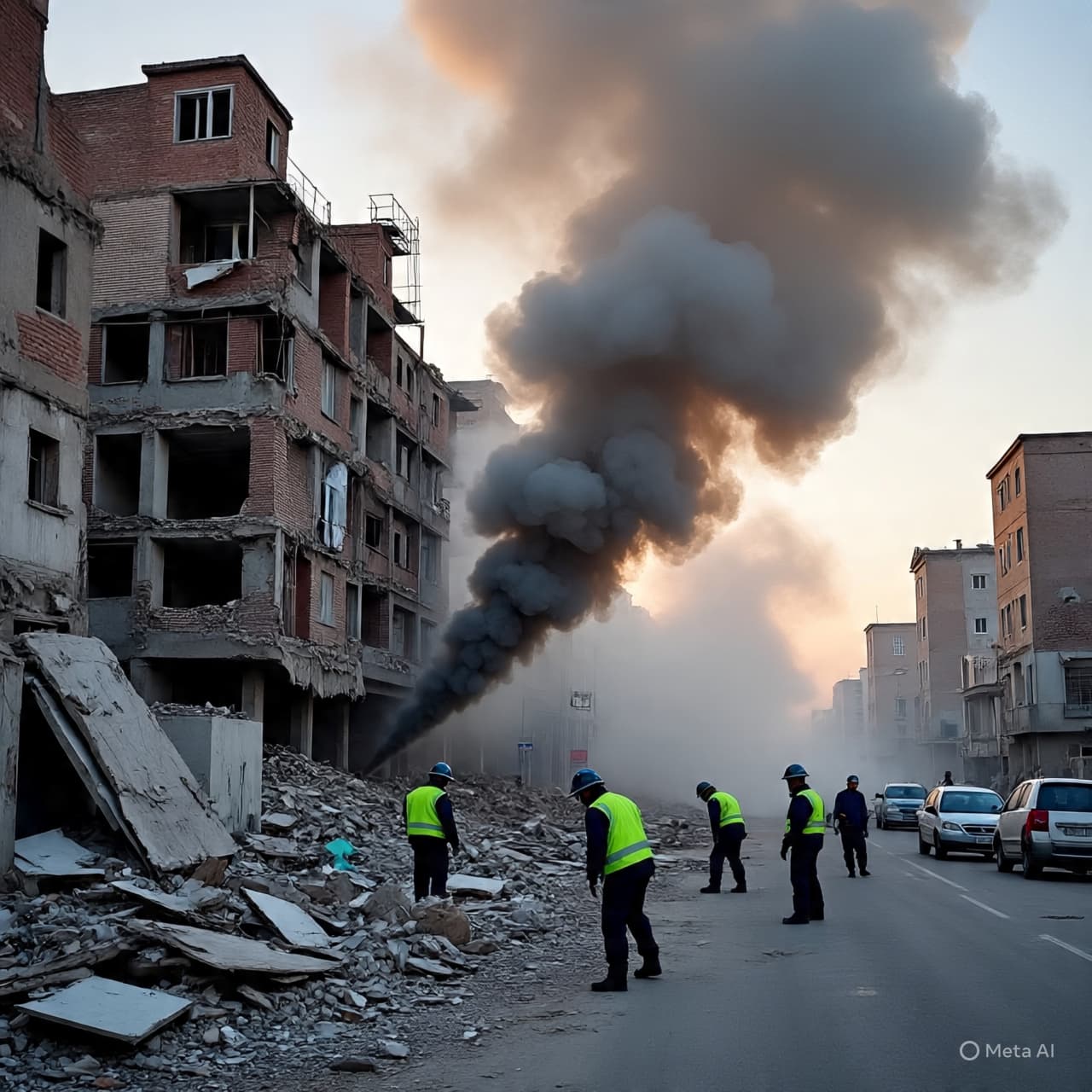
The conflict between Israel and Iran has escalated dramatically, with both nations engaging in a series of military actions that have resulted in significant casualties and destruction. Over the past weeks, Israeli forces, supported by the United States, have conducted sustained airstrikes across Iran, targeting missile facilities and military installations. These operations aim to degrade Iran's offensive capabilities and prevent further attacks. Reports from Iranian authorities indicate that these strikes have resulted in hundreds of deaths, with civilian neighborhoods suffering extensive damage. Hospitals across multiple provinces are overwhelmed with injured civilians as emergency crews work tirelessly to sift through the rubble.
In retaliation, Iran has launched hundreds of ballistic missiles and drones toward Israel, with many intercepted by Israel's advanced air defense systems. However, some projectiles have successfully struck residential areas, leading to rising casualties and significant structural damage in Israeli cities. Rescue teams are currently engaged in recovery efforts, navigating through shattered glass and collapsed buildings as they search for survivors.
The conflict has also drawn the United States deeper into the fray, with American military personnel acknowledging casualties during the operations. While U.S. officials maintain that their actions are defensive and closely coordinated with Israel, the acknowledgment of American deaths highlights the increasing complexity and risks of U.S. involvement in the region. This deepening entanglement raises concerns about the potential for a broader conflict that could draw in additional regional players.
The repercussions of this conflict extend beyond the immediate combatants. Missiles and drones have crossed into the airspace of neighboring Gulf states, prompting heightened security measures and restrictions on civilian flights. Governments across the region are urging calm among their populations, who are already on edge due to the instability. The fluctuations in oil markets reflect the uncertainty and potential economic ramifications of the ongoing violence.
This confrontation marks one of the most direct military engagements between Israel and Iran in recent history. For years, tensions simmered through proxy battles and covert operations, but the current exchanges are overt and visible, with immediate consequences for both nations. Analysts caution that the delicate balance of deterrence is becoming increasingly difficult to maintain as casualty figures rise and public pressure mounts on leaders to respond decisively.
As the conflict continues, daily life in both Tehran and Tel Aviv has been severely disrupted. Schools have closed intermittently, and businesses are shuttering early as families adjust to the new reality of constant alerts. Each explosion, whether near or far, carries the weight of potential escalation, with the risk that a single miscalculation could widen the conflict even further.
Despite ongoing diplomatic appeals for restraint from European capitals and the United Nations, the situation on the ground is dictated by the rhythm of military launches and retaliatory strikes. Officials from both sides emphasize their commitment to defense and sovereignty, yet with each new attack, the toll of loss grows heavier.
As dawn breaks over the damaged streets and silent runways, the human cost of this conflict remains fluid, with hundreds dead in Iran, civilian casualties in Israel, and confirmed losses among American forces. The pattern of air attacks followed by missile barrages continues, leaving ordinary lives in turmoil as they brace for the next round of violence.
Published by Banx Network. This article is part of the Banx decentralized media programme, powered by the BXE token on the XRP Ledger.



