The act of casting a ballot is often described as the most sacred duty of citizenship, a quiet moment where individual voices converge to shape the collective future. It is a process that relies not just on legal frameworks, but on a sense of safety and freedom from coercion. Recently, this sense of security has been challenged in Denver, where the prospect of federal immigration agents appearing at polling places has sparked a legal and moral confrontation. The city has moved to draw a line, asserting that the ballot box must remain a sanctuary from the pressures of enforcement.
The City of Denver, joined by several Latino civil rights organizations, filed a lawsuit this week seeking to block Immigration and Customs Enforcement (ICE) officers from visiting or patrolling near voting sites. The plaintiffs argue that the presence of armed federal agents at polling places and ballot drop boxes would constitute a violation of federal law, specifically statutes prohibiting voter intimidation. They contend that such actions would have a chilling effect, discouraging eligible voters, particularly those from immigrant communities, from exercising their right to vote.
The lawsuit comes amid heightened tensions regarding immigration policy and election integrity. The Trump administration has indicated that ICE agents may be deployed to monitor polling locations, citing concerns about voter fraud. However, local officials and advocacy groups maintain that there is no evidence of widespread irregularities that would justify such a heavy-handed approach. Instead, they view the move as a political tactic designed to suppress turnout among specific demographic groups.
For many residents, the threat of encountering ICE at a polling place is not abstract but deeply personal. In a city with a significant immigrant population, the fear of detention or deportation can outweigh the desire to participate in the democratic process. The lawsuit aims to alleviate this fear by establishing a clear legal barrier against federal interference. It seeks to ensure that voting remains accessible and safe for all citizens, regardless of their background or status.
Legal experts note that voter intimidation is already illegal under federal law, making the presence of armed agents at polls potentially actionable. The case hinges on the interpretation of these laws and the extent to which the federal government can deploy law enforcement resources during an election. The outcome could set a significant precedent for how polling places are secured and who is allowed to operate within their vicinity.
The response from federal authorities has been defensive, with officials arguing that their presence is necessary to ensure the integrity of the election. They claim that monitoring polling sites is a standard procedure to prevent fraud and maintain order. However, critics argue that this justification is pretextual, masking an intent to intimidate voters. The debate highlights the delicate balance between security and liberty in a democratic society.
As the midterm elections approach, the lawsuit adds another layer of complexity to an already contentious political landscape. It underscores the ongoing struggle over voting rights and the role of federal power in local elections. For Denver, the case is about more than just legal technicalities; it is about protecting the fundamental principles of democracy and ensuring that every voice can be heard without fear.
The lawsuit filed by Denver represents a significant effort to safeguard the voting process from perceived threats of intimidation. As the legal battle unfolds, the focus remains on preserving the integrity and accessibility of the ballot box. In doing so, the city hopes to reaffirm the principle that voting is a right to be protected, not a privilege to be policed.
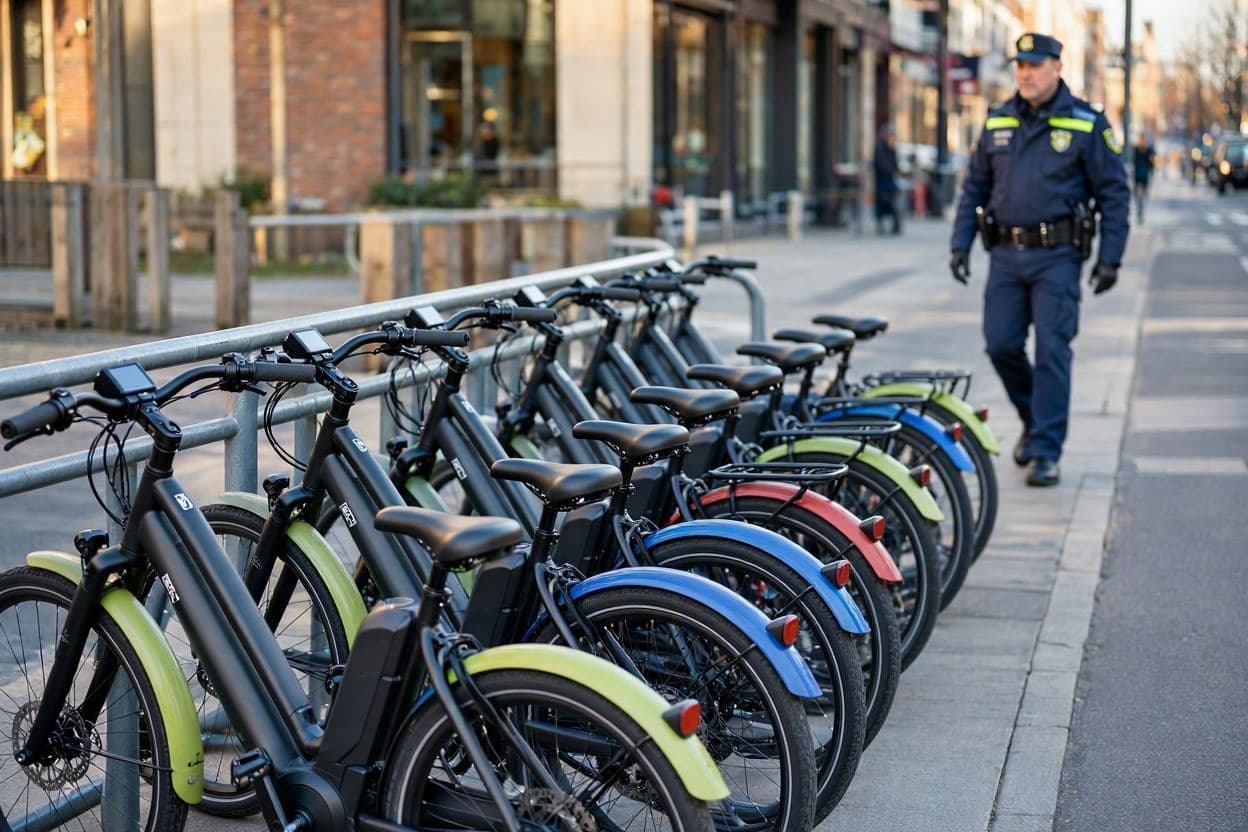
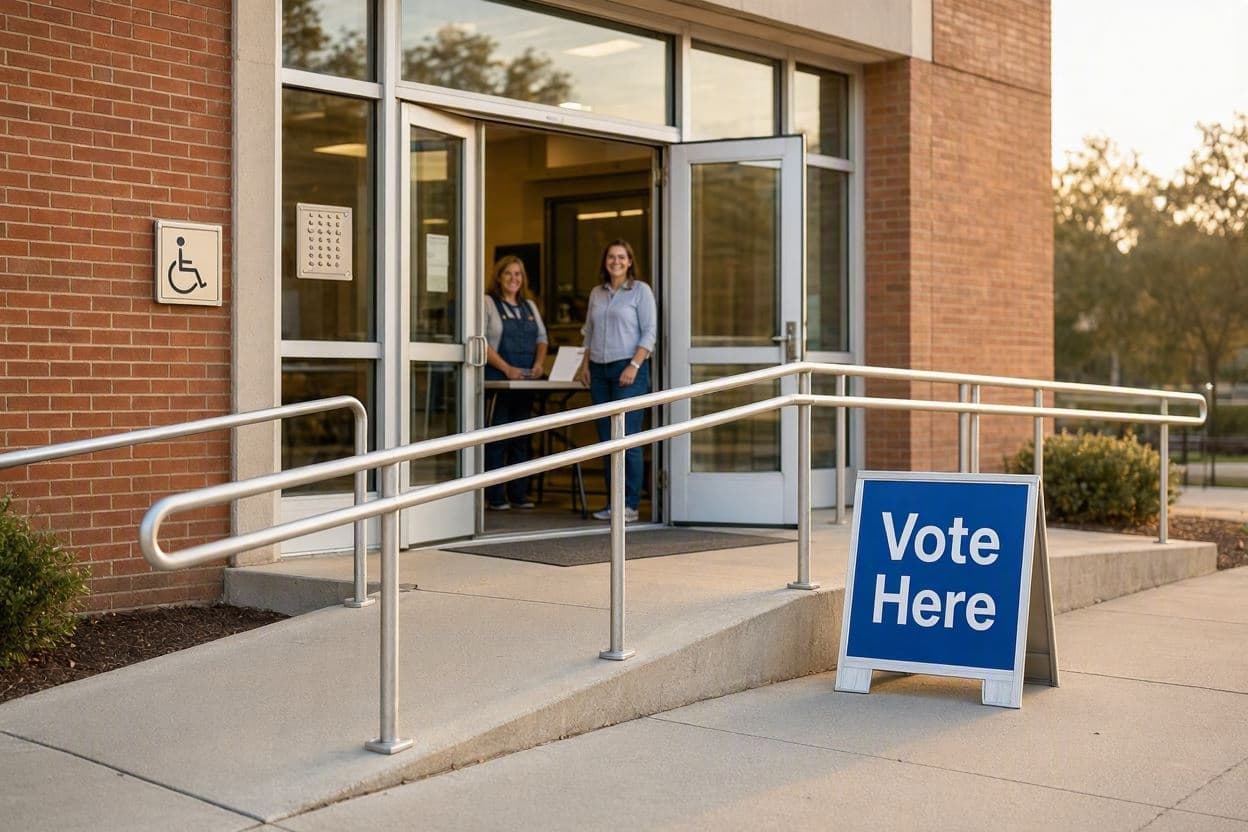
AI Image Disclaimer: The visual representations accompanying this article are AI-generated illustrations intended to convey the themes of civic duty and legal protection.
Sources: The New York Times The Colorado Sun The Hill Washington Post
Published by Banx Network. This article is part of the Banx decentralized media programme, powered by the BXE token on the XRP Ledger.