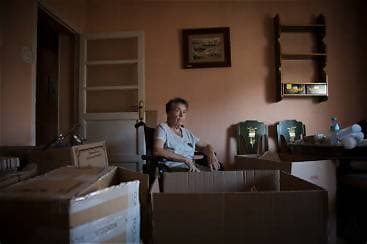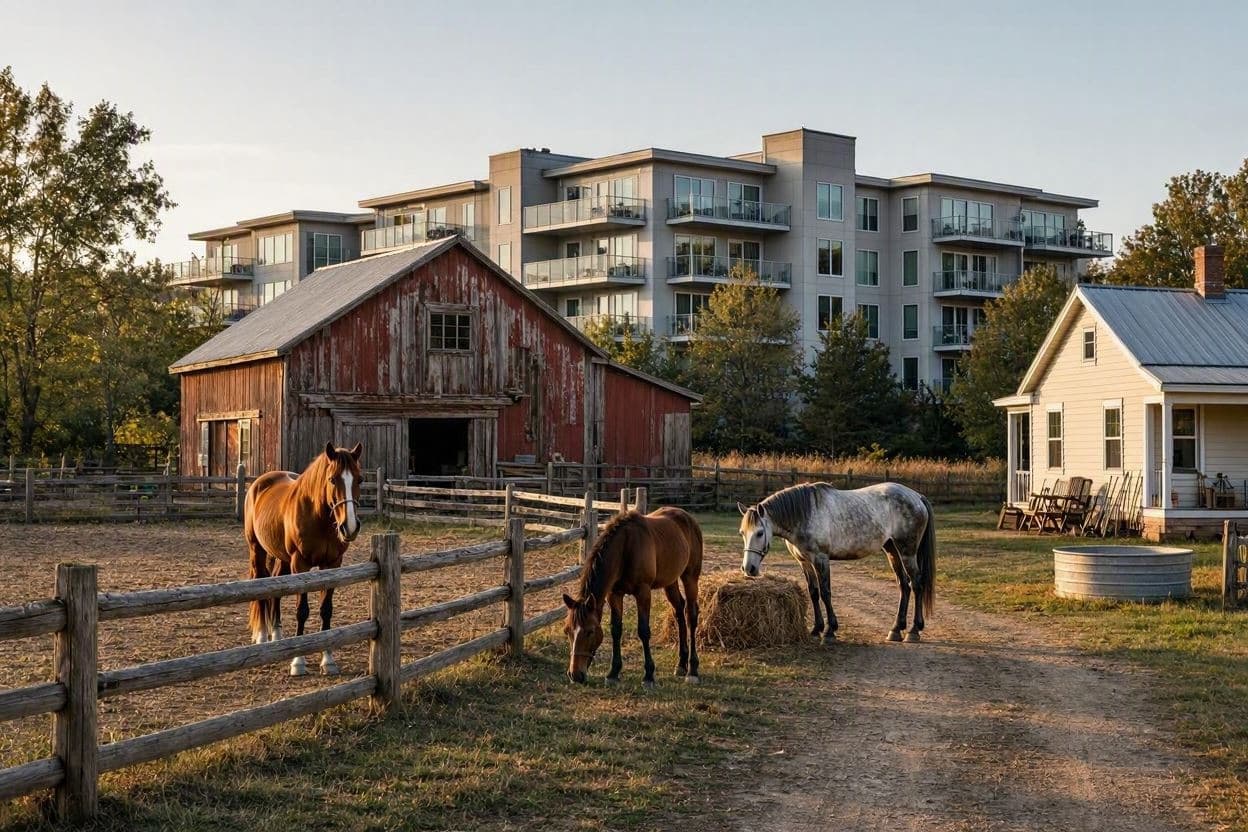
Home is more than a structure; it is a sanctuary where personal rhythms harmonize with the natural world. For the Paris family in Truro, Nova Scotia, their hobby farm is a place of quietude, where horses graze, hens cluck, and bees hum among the flowers. But this peace is threatened by a proposed 231-unit housing development planned for the adjacent land. The situation invites reflection on the tension between urban growth and rural preservation, and the challenge of maintaining community character in an era of rapid expansion. It is a story of neighbors, both present and future, navigating the complexities of shared space.
The development proposal includes a mix of apartments and townhouses, with buildings reaching up to ten stories in height. For the Parises, the scale of the project is daunting, promising to cast a long shadow over their property. Concerns range from privacy loss and noise pollution to the potential impact on their livestock’s well-being. Change can be overwhelming when it arrives at one’s doorstep.
Truro, like many Canadian towns, is facing pressure to increase housing density to address affordability and population growth. Municipal planners see such projects as essential steps toward sustainable urbanization. However, the transition from low-density residential areas to high-density complexes requires careful consideration of existing residents’ rights. Balance is key to harmony.
Aaron Paris, who grew up in the area, expresses a deep connection to the land and a desire to preserve its current state. His concerns are not just about property values but about a way of life that feels increasingly rare. Identity is rooted in place.
Community reaction has been mixed, with some supporting the need for more housing and others echoing the Parises’ worries about infrastructure strain and aesthetic changes. Public consultations have become arenas for these differing visions to clash and hopefully converge. Dialogue builds understanding.
As the approval process continues, the family remains hopeful that their voices will be heard. They seek modifications to the plan that might mitigate the impact, such as increased setbacks or green buffers. Compromise is often the path forward.
A Truro family is opposing a proposed 231-unit housing development next to their hobby farm, citing concerns about privacy and lifestyle impacts. The case highlights the challenges of balancing urban density with rural character. The hope is for a mutually acceptable solution through ongoing dialogue.
AI Image Disclaimer: The visual elements accompanying this report are AI-generated interpretations designed to reflect the residential and planning context of the story.
Sources: CBC News SaltWire Network Global News
Published by Banx Network. This article is part of the Banx decentralized media programme, powered by the BXE token on the XRP Ledger.