In the delicate dance of international diplomacy, few moves are as bold or as unexpected as a sudden shift in geopolitical boundaries. When President Donald Trump announced a new agreement with Denmark regarding Greenland, the world paused to consider the implications. For decades, the vast, ice-covered island has been a strategic outpost, rich in resources and pivotal for Arctic security. Now, with a deal that promises expanded U.S. military presence and investment, Danish leaders have responded with a mix of relief and cautious optimism. This development marks a turning point in transatlantic relations, moving from tension over sovereignty to collaboration on security.
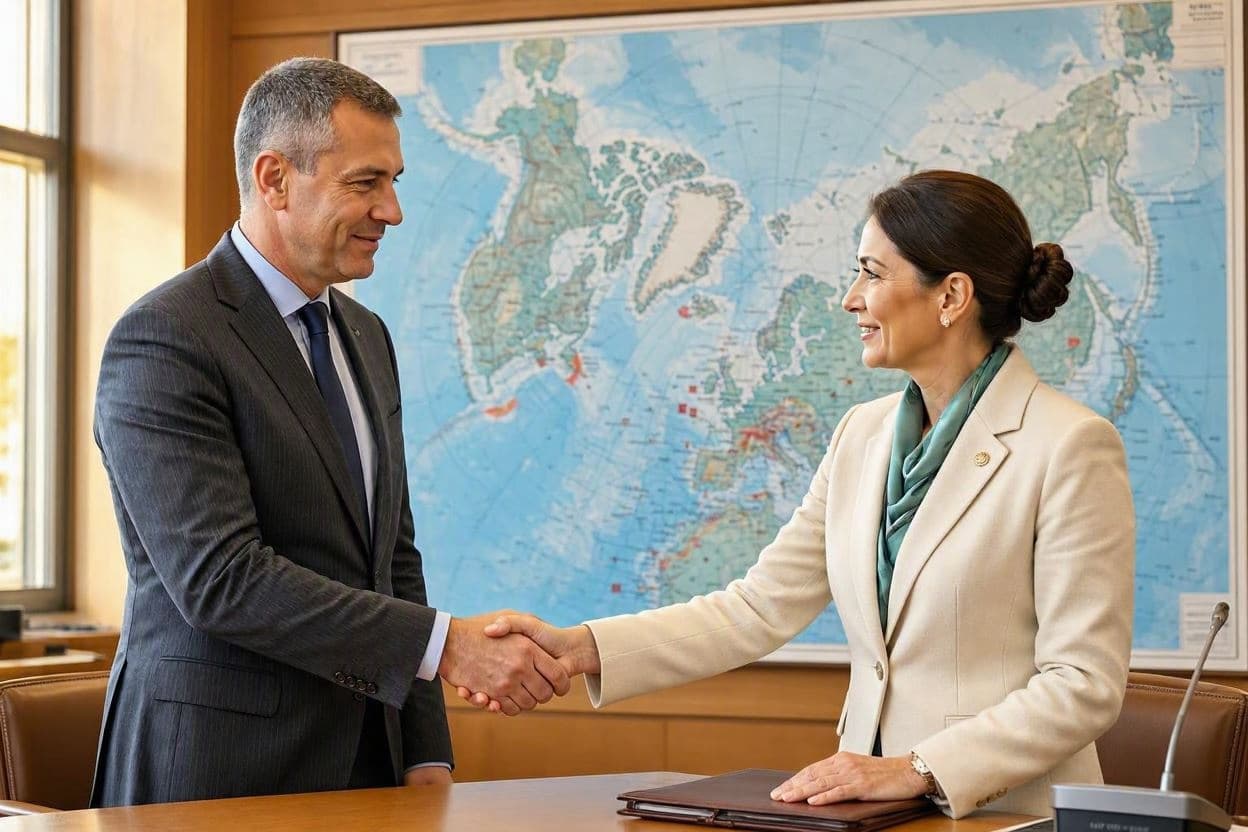
The agreement, finalized after weeks of intense negotiation, grants the United States permanent basing rights and significant infrastructure investment in Greenland. While it stops short of the outright purchase Trump had previously suggested, it provides Washington with a firm foothold in the Arctic region. For Denmark, which retains sovereignty over the autonomous territory, the deal offers economic benefits and enhanced security guarantees without ceding political control. It is a compromise that seeks to balance American strategic interests with Danish national pride.
Prime Minister Mette Frederiksen and other Danish officials have described the outcome as a "binding" and positive step forward. Their cautious optimism reflects a desire to move past the diplomatic friction that characterized earlier discussions. By framing the agreement as a partnership rather than a transaction, Copenhagen aims to preserve its relationship with both Washington and Nuuk, the capital of Greenland. The tone of the response suggests a willingness to embrace the practical benefits of closer U.S. ties while maintaining vigilance over long-term implications.
Greenland’s local government has also been involved in the negotiations, ensuring that the interests of its people are represented. The promise of jobs, infrastructure improvements, and increased investment is appealing to a population that has long sought greater economic independence from Denmark. However, concerns remain about the environmental impact of expanded military activity and the potential for increased geopolitical tension in the Arctic. Balancing these local concerns with national and international priorities is a complex task for all parties involved.
The strategic importance of Greenland has grown significantly in recent years due to climate change and the opening of new shipping routes. Control over the Arctic is becoming a key component of global power dynamics, with Russia and China also increasing their presence in the region. The U.S.-Denmark agreement serves as a counterweight to these influences, reinforcing NATO’s northern flank and securing critical supply chains. For Washington, it is a victory that aligns with broader goals of maintaining American leadership in global security.
Critics, however, warn that the deal could set a precedent for other territorial disputes or encourage aggressive expansionism. Some European allies have expressed concern that the unilateral nature of Trump’s initial announcements undermined traditional diplomatic norms. Yet, the final agreement’s multilateral framework, involving Denmark and Greenland, helps mitigate these fears. It demonstrates that even in an era of populist politics, established alliances can adapt and endure through negotiation and mutual interest.
As the agreement moves toward formal signing at the United Nations, attention turns to implementation. The details of military construction, environmental safeguards, and economic distribution will determine the deal’s long-term success. For now, the mood in Copenhagen is one of pragmatic hope. The resolution of the Greenland crisis offers a model for how complex geopolitical challenges can be addressed through dialogue and compromise, rather than coercion.
Denmark’s cautious optimism regarding the new Greenland deal highlights a successful diplomatic resolution to a tense situation. By securing U.S. investment and security cooperation while retaining sovereignty, Denmark has navigated a challenging political landscape. The agreement underscores the enduring importance of the Arctic in global strategy and the value of collaborative diplomacy in maintaining stability.
AI Image Disclaimer: Please note that any accompanying visuals are AI-generated interpretations designed to illustrate the scientific concepts discussed.
Sources: Associated Press PBS NewsHour Politico Al Jazeera
Published by Banx Network. This article is part of the Banx decentralized media programme, powered by the BXE token on the XRP Ledger.