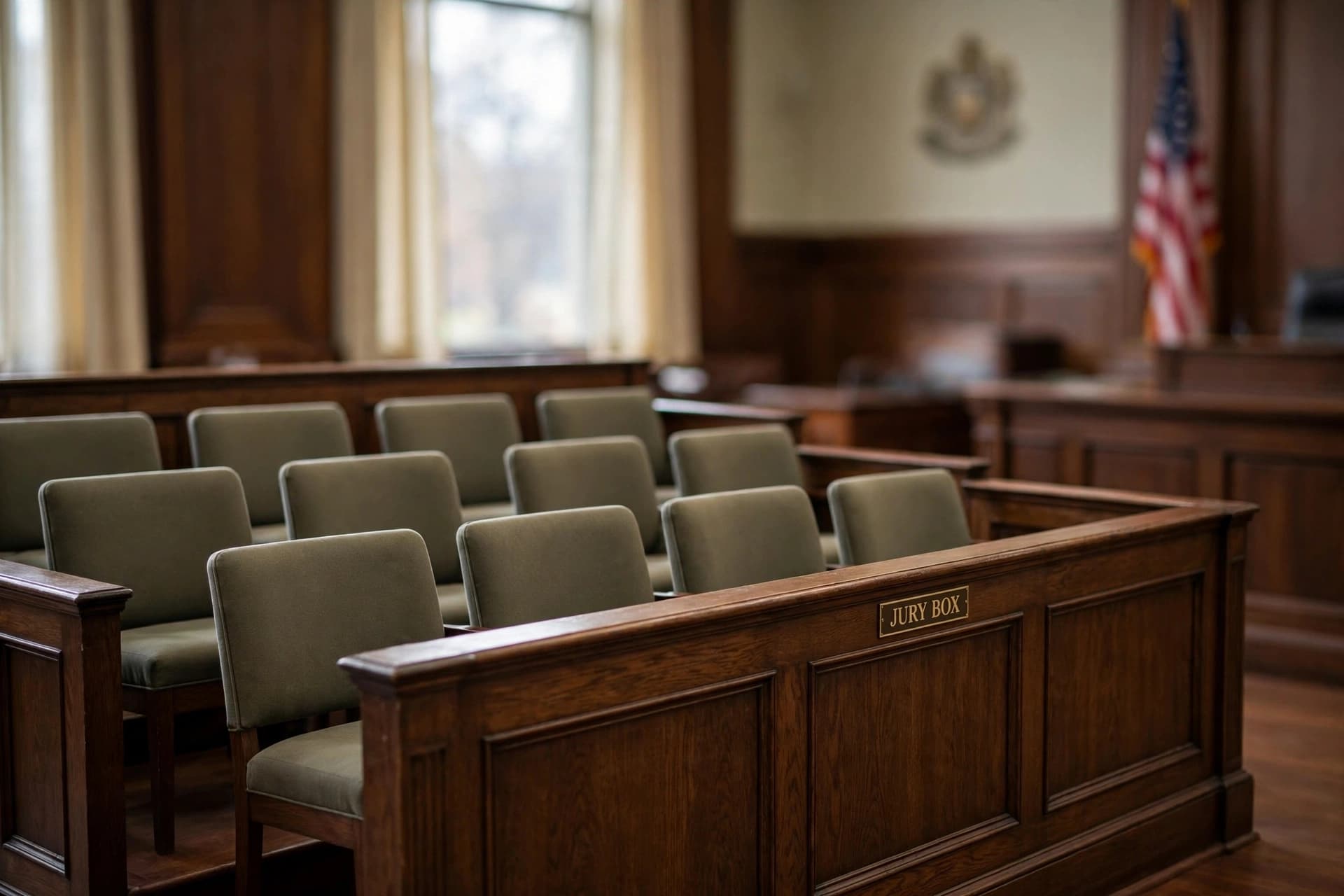
In the hallowed halls of justice, the jury box is meant to be a sanctuary of impartial deliberation. It is where twelve individuals come together to weigh evidence and reach a consensus, guided by the law and their conscience. However, when that consensus fractures, questions arise about the integrity of the process. In the high-profile case of Lindsay Clancy, a motion has been filed by her attorney requesting an investigation into the conduct of the sole juror who voted for conviction. This request opens a window into the complexities of jury dynamics and the safeguards designed to protect fairness.
The trial of Lindsay Clancy, a former nurse accused of harming her children, ended in a mistrial after the jury deadlocked 11-1. The eleven jurors who favored acquittal cited reasons related to mental health defenses, while the lone holdout insisted on conviction. Such a stark division is rare and often prompts scrutiny. The defense team alleges that the holdout juror may have engaged in misconduct, including the alleged use of a cellphone during deliberations, which is strictly prohibited.
The motion filed by attorney Kevin Reddington asks the court to preserve records and conduct a limited inquiry into the juror’s actions. The concern is not merely about the verdict, but about whether the deliberation process was compromised. If a juror violates rules by accessing external information or communicating improperly, it undermines the foundation of a fair trial. The request for investigation is a procedural step to ensure that any potential irregularities are addressed transparently.
Jury misconduct is a serious allegation that courts handle with care. Judges are often reluctant to probe into the mental processes of jurors, protected by privacy norms, but they must act when there is evidence of external influence or rule-breaking. The use of a cellphone, if proven, could introduce bias or unauthorized information into the deliberations. This case highlights the tension between protecting juror privacy and ensuring the integrity of the judicial outcome.
For Lindsay Clancy and her family, the mistrial was both a relief and a source of continued uncertainty. A deadlock means the case may be retried, prolonging the emotional toll. The investigation into the juror’s conduct is an attempt to clarify whether the deadlock was a genuine difference of opinion or the result of improper behavior. This distinction is crucial for determining the next steps in the legal process.
The public interest in this case has been significant, given the sensitive nature of the charges and the mental health issues involved. Observers watch closely to see how the legal system handles such nuanced situations. The request for investigation demonstrates the defense’s commitment to due process, ensuring that every aspect of the trial meets legal standards. It is a reminder that justice is not just about the verdict, but about the fairness of the journey to get there.
Legal experts note that investigations into juror conduct are rare but necessary when allegations are credible. The court will likely review phone logs, jury questionnaires, and other records to determine if any rules were broken. This process must be balanced to avoid harassing jurors while still uncovering the truth. The outcome of this inquiry could influence whether a retrial is granted or if other remedies are pursued.
The request to investigate the holdout juror in the Lindsay Clancy case underscores the importance of procedural integrity. As the court considers the motion, the focus remains on ensuring that justice is served fairly and transparently. Whether through a retrial or other legal avenues, the goal is to reach a resolution that respects both the law and the rights of all involved.
AI Image Disclaimer: The illustrations accompanying this text are AI-generated artistic interpretations of legal concepts and courtroom settings, not actual photographs of the parties or jurors involved.
Sources: PBS NewsHour The Guardian CBS News
Published by Banx Network. This article is part of the Banx decentralized media programme, powered by the BXE token on the XRP Ledger.