In the intricate dance of international politics, few relationships are as complex or contentious as that between Venezuela and the United States. Oil, the black gold that has fueled both economies and conflicts, remains at the center of this dynamic. Recently, Venezuelan Vice President Delcy Rodríguez has spoken out in defense of past agreements, describing them as sources of "endless" benefit. Her comments invite a reflective look at the intersection of energy policy, diplomacy, and national interest, reminding us that economic ties often persist even amidst political turbulence.
Rodríguez’s remarks refer to periods when commercial interactions between Venezuelan state-owned oil companies and U.S. entities were more fluid. During those times, the flow of crude oil south to north and technology north to south created a symbiotic relationship that benefited both sides. For Venezuela, access to U.S. refining capacity and markets was crucial; for the U.S., Venezuelan heavy crude was a key component of its energy mix.
The characterization of these benefits as "endless" may seem optimistic given the subsequent sanctions and diplomatic freezes. However, it highlights a persistent belief within certain sectors of the Venezuelan government that economic pragmatism can and should transcend political ideology. This perspective suggests that the underlying value of the resource itself creates a gravitational pull that is difficult to ignore, regardless of the political climate.
Critics argue that such deals often came with significant social and environmental costs for Venezuela, including corruption and ecological damage. Yet, proponents point to the revenue generated and the jobs supported by the oil industry. The debate is not just about economics but about the kind of development model a country chooses to pursue. It is a nuanced conversation that requires acknowledging both the gains and the losses.
In the current geopolitical landscape, the possibility of renewed cooperation remains a topic of speculation. With global energy markets in flux, the strategic value of Venezuelan reserves has not diminished. Some analysts suggest that a shift in U.S. policy could lead to a gradual reopening of channels, driven by mutual economic interests rather than political alignment.
Rodríguez’s defense also serves a domestic purpose, reinforcing the narrative that the government has always acted in the best interest of the nation’s economic stability. By framing past deals as beneficial, she seeks to legitimize current policies and reassure investors and citizens alike. It is a rhetorical strategy aimed at projecting confidence and continuity in uncertain times.
However, the reality on the ground is complex. Venezuela’s oil infrastructure has suffered from years of underinvestment and mismanagement, limiting its production capacity. Any future deal would require significant rebuilding and trust-building, processes that take time and sustained effort. The "endless" benefits of the past may not be easily replicated without substantial reforms.
The international community watches these developments with cautious interest. A resolution to the Venezuelan crisis could have far-reaching implications for regional stability and global energy security. It reminds us that diplomacy is often a long game, where patience and persistence are required to navigate the twists and turns of international relations.
Ultimately, the story of Venezuela’s oil is a story of potential and challenge. It is a resource that has brought wealth and strife, connection and isolation. As leaders like Rodríguez reflect on its role, they are also grappling with the broader question of how to harness natural resources for the genuine well-being of their people.
Delcy Rodríguez’s defense of past oil deals highlights the enduring significance of energy ties between Venezuela and the United States. While political relations remain strained, the economic interdependence suggests that dialogue and cooperation may eventually find a path forward. It is a reminder of the complex legacy of oil in shaping national destinies.
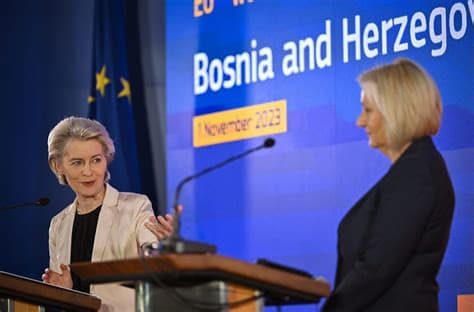
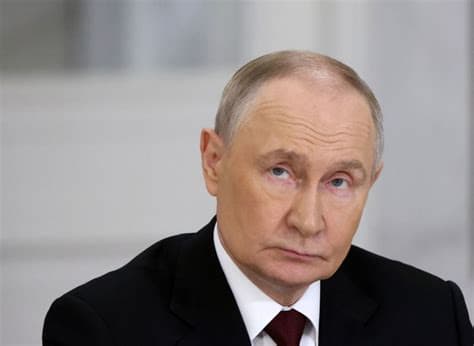
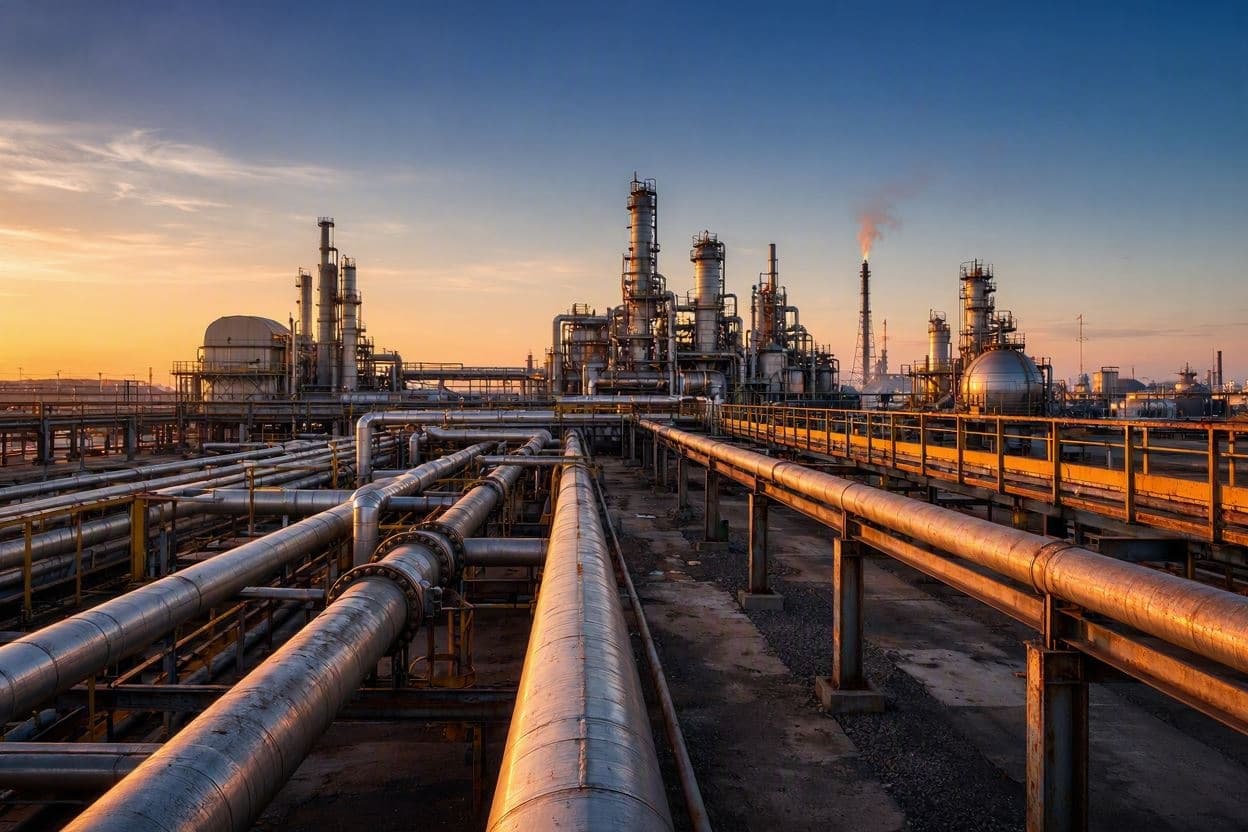
AI Image Disclaimer: The images associated with this article are AI-generated visualizations intended to represent the concept of oil diplomacy and industrial infrastructure.
Sources: Reuters Bloomberg Al Jazeera
Published by Banx Network. This article is part of the Banx decentralized media programme, powered by the BXE token on the XRP Ledger.