
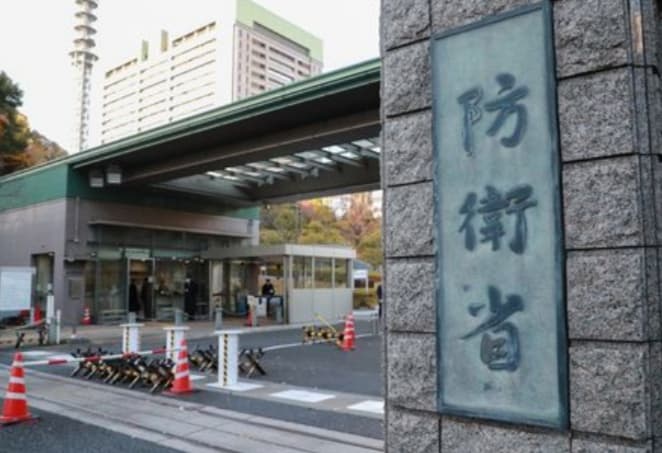
Key Highlights
- Suspension:Japan's Defense Ministry suspends Kawasaki Heavy Industries from bidding on defense contracts.
- Compliance Issues:The suspension is due to allegations of non-compliance with regulatory standards.
- Industry Impact:The decision raises concerns about the future of ongoing projects and competition in the defense sector.
The Japan Defense Ministry has officially suspended Kawasaki Heavy Industries (KHI) from participating in upcoming bidding processes for defense contracts. This significant move arises from allegations of non-compliance with regulatory standards, which could have far-reaching implications for the company’s operations within the defense sector and its long-standing relationships with government agencies.
In a statement issued by the ministry, officials highlighted specific incidents that led to this suspension, including serious concerns over quality control and adherence to contractual obligations. "We take compliance issues very seriously, and our primary responsibility is to ensure the integrity of our defense procurement process," stated Defense Minister Akira Tanaka. This emphasis on compliance underscores the ministry's commitment to maintaining high standards in defense procurement, particularly in light of recent scrutiny over the industry.
Kawasaki Heavy has been a pivotal player in Japan's defense landscape, involved in the production of a wide range of equipment and technology, including submarines, armored vehicles, and other critical defense systems. The suspension raises urgent questions not only about ongoing projects but also about the potential disruption to existing contracts. "We will work closely with all stakeholders to minimize any impact," added Tanaka, indicating the ministry's intent to manage the fallout from this decision carefully.
The suspension has elicited mixed reactions among industry experts and stakeholders. Some view it as a necessary step to uphold standards and accountability within the defense sector, while others express concern about its implications for competition and innovation. Defense analyst Hiroshi Yamada cautioned, "This could deter other companies from entering the market, fearing the same repercussions." This sentiment reflects a broader anxiety about how stringent compliance measures might stifle competition and innovation in a sector that is crucial for national security.
As of now, Kawasaki Heavy has not publicly responded to the ministry's decision. However, industry insiders anticipate that the company will conduct an internal review and may consider appealing the suspension. Ensuring compliance with the ministry's regulations will be critical for KHI's future participation in defense contracts, as the company navigates this challenging landscape.
As this situation unfolds, it highlights the ongoing challenges within Japan's defense procurement framework, particularly the delicate balance between enforcing stringent compliance measures and fostering a competitive industry environment. The implications of this suspension could resonate throughout the defense sector, affecting not only Kawasaki Heavy but also other companies involved in similar contracts, as they reassess their compliance strategies and market positions in light of this significant development.
Published by Banx Network. This article is part of the Banx decentralized media programme, powered by the BXE token on the XRP Ledger.



