They say nimbleness often wins where brute force cannot. In the skies over Europe, small mechanical intruders — drones — have become symbols of vulnerability. Sweden, witnessing them with growing unease, has chosen no longer to be passive but to build defense in depth. The cost is steep, the urgency high: SEK 3.5 billion will be invested to protect airspace, bases, and borders from the uninvited hum of aerial threats.
Defence Minister Pål Jonson framed the move not as fear, but as necessity. Recent drone incursions, boundary violations, and the silent test of hybrid warfare convinced Sweden that anti-drone capability is no longer optional. Included in the plan are systems that shoot down drones, hunter drones deployed to guard air bases, and jamming sensors for soldiers and vehicles — all pieces of a multilayered shield against aerial incursions.
Beyond weapons, the package also strengthens Sweden’s Gripen JAS-39 fighter fleet. The government is allocating SEK 1.5 billion more to boost Gripen availability through spare parts, mission equipment, and support for both air bases and temporary road bases. For Sweden, whose defense posture has shifted in recent years, these enhancements are acts of insurance — against surprise, against escalation.
The investment also signals a compression of timelines: systems once due by 2036 are now expected in place by 2028. Innovation, production, and deployment must move faster. Defence firms will be pushed; testing accelerated; supply chains stretched; detection, interception, and deterrence made real in the near term.
This is not Sweden’s first step toward tougher defence, but it may be among its most important. The combination of anti-drone systems, hardened airpower, and accelerated delivery reflects a nation tuned to threats seen, smelled, and felt — small drones no longer novel, but elemental.
Sweden will invest SEK 3.5 billion in anti-drone systems over 2026–2028 and an additional SEK 1.5 billion to improve the readiness and resilience of its Gripen air force fleet.
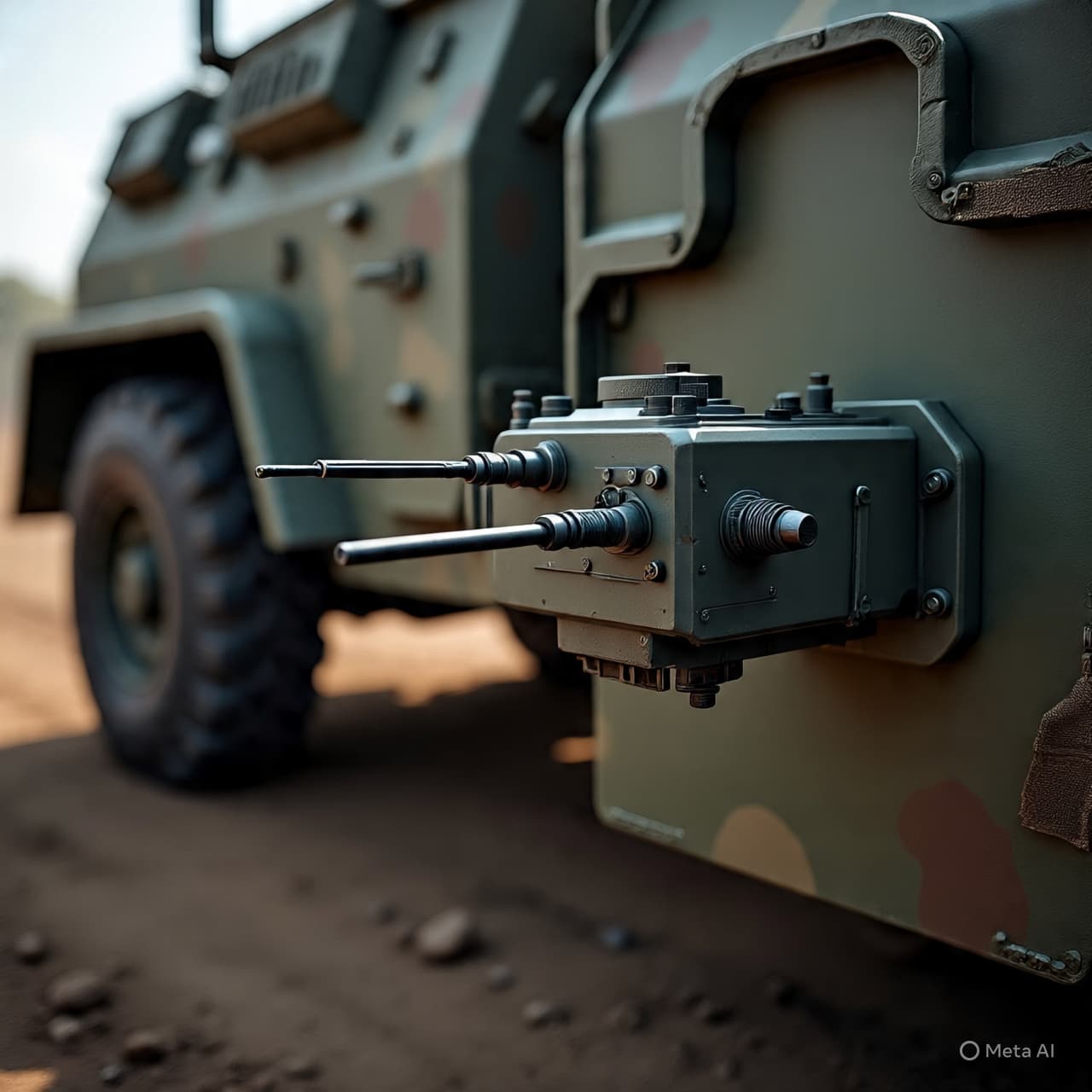
AI Image Disclaimer: “Illustrations were produced with AI and serve as conceptual depictions.”
Sources: Reuters, Sweden Herald, MarketScreener, TradingView, RBC-Ukraine
Published by Banx Network. This article is part of the Banx decentralized media programme, powered by the BXE token on the XRP Ledger.