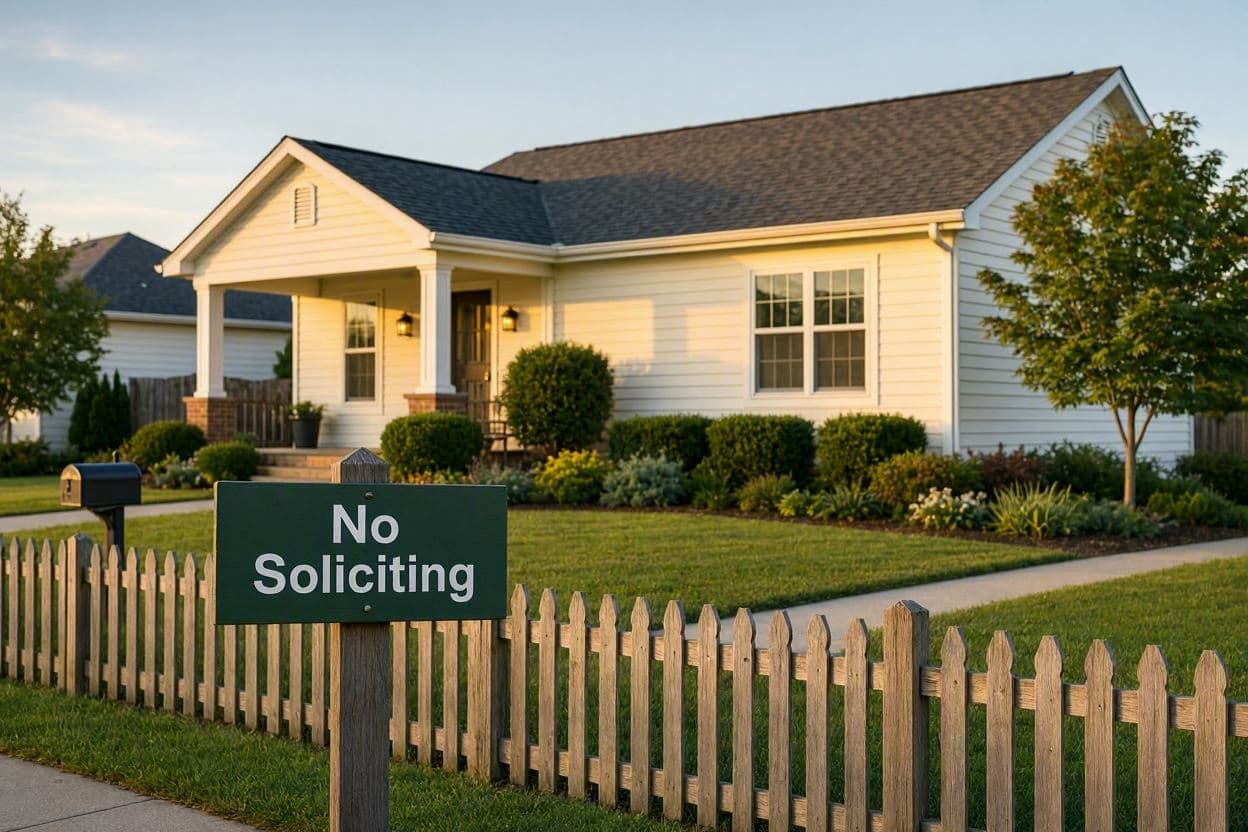
The home is often viewed as a sanctuary, a place of safety and stability amidst the chaos of the outside world. Yet, this sense of security can be fragile when confronted with the calculated deception of those who seek to exploit trust. In Toronto, a recent incident highlights the dark side of door-to-door solicitation, where a refusal to engage in a suspicious roofing deal led not just to disappointment, but to alleged vandalism. This event serves as a sobering reminder of the importance of vigilance and the resilience required to protect one’s peace of mind.
According to police reports, the incident began when individuals approached a homeowner with an offer for roofing services. The pitch was elaborate, designed to create a sense of urgency and necessity. Such tactics are common in predatory scams, where fraudsters rely on pressure and confusion to bypass a homeowner’s caution. In this case, however, the resident remained skeptical and declined the offer, asserting their right to make informed decisions about their property.
The reaction to this refusal was reportedly aggressive. Instead of accepting the decline and moving on, the suspects allegedly engaged in acts of vandalism against the home. This escalation from persuasion to destruction reveals a troubling aspect of such criminal enterprises: when manipulation fails, intimidation may follow. It transforms a simple transaction into a violation of personal space and safety.
Law enforcement has identified the nature of the interaction as a scam attempt, warning residents to be wary of unsolicited offers, particularly those involving high-cost home repairs. Legitimate contractors typically do not employ high-pressure tactics or demand immediate payment without proper documentation. Understanding these red flags is crucial for homeowners navigating the complexities of property maintenance.
The psychological impact of such an encounter should not be underestimated. For the victim, the home is no longer just a physical structure but a site of intrusion and fear. Restoring that sense of safety takes time and effort, often requiring increased security measures and community support. The emotional toll is a hidden cost of these crimes, extending far beyond the physical damage incurred.
Community neighbors have expressed shock and solidarity, offering support to the affected family. In urban environments like Toronto, where anonymity can sometimes prevail, incidents like this remind us of the value of looking out for one another. Sharing information about suspicious activities helps build a collective defense against predatory practices.
Police are continuing their investigation, seeking to identify and apprehend the suspects. They urge anyone with information or similar experiences to come forward. Public cooperation is vital in dismantling these networks, which often target vulnerable populations or those unfamiliar with local contracting norms. Justice in these cases serves as a deterrent to future offenders.
This incident also highlights the broader issue of consumer protection. Regulatory bodies and community organizations play a key role in educating the public about their rights and the signs of fraud. Empowering homeowners with knowledge is one of the most effective tools against such schemes, turning potential victims into informed decision-makers.
The alleged vandalism of a Toronto home following a refused roofing scam underscores the need for caution and community awareness. As police investigate, the incident serves as a reminder to verify contractors and report suspicious behavior. Protecting our homes requires both vigilance and mutual support.
AI Image Disclaimer: The visual representations accompanying this article are AI-generated interpretations designed to symbolize home security and consumer awareness, using abstract imagery of residential structures and protective shields.
Sources: Toronto Police Service CBC Toronto Global News
Published by Banx Network. This article is part of the Banx decentralized media programme, powered by the BXE token on the XRP Ledger.