
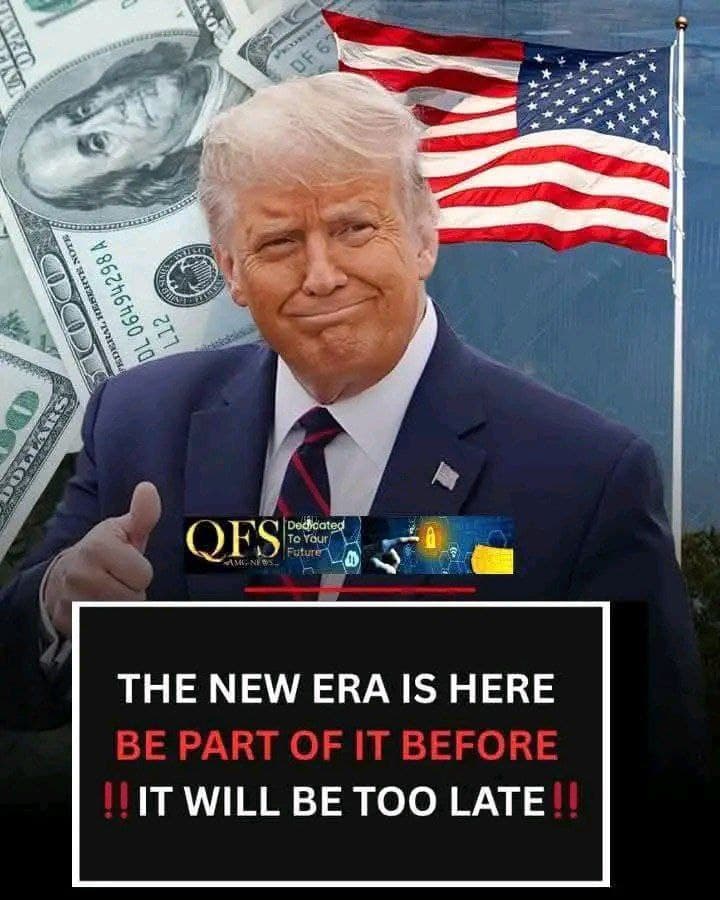
Key Highlights
- The Quantum Financial System (QFS) is not officially recognized by financial authorities.
- Claims linking cryptocurrencies like XRP and XLM to QFS are unfounded.
- No legitimate QFS card exists, and applying for one may lead to scams.
The concept of a "Quantum Financial System" (QFS) has gained traction in certain online communities, often presented as an imminent, revolutionary, and secret overhaul of the world's economy. This idea is frequently accompanied by a list of urgent, actionable steps that users are told they must follow to avoid being left behind. However, a closer examination reveals that many of these claims are unfounded and potentially harmful.
Claim 1: Endeavor to register on the updated quantum financial system before it will be too late. This claim suggests that there is a verifiable, recognized global financial system called the "Quantum Financial System." However, major central banks, governments, and international financial bodies like the IMF or World Bank have never publicly introduced, endorsed, or mentioned a QFS with a public registration requirement. The reality is that the global financial system is governed by established institutions and regulations, such as SWIFT for international transfers, which are constantly updated but not replaced by a single, secret system. Any site claiming to be the "official" QFS registration should be treated with skepticism, as it is likely a scam.
Claim 2: Convert your fiat currency into the new recommended assets XLM & XRP as much as you can to activate your QFS account. This assertion attempts to link the unproven QFS with two specific cryptocurrencies: Stellar (XLM) and XRP (Ripple). While both are legitimate digital assets, the idea that they are "recommended" by a secret QFS or that buying them "activates" an account is entirely false. XRP and XLM operate independently and have their own use cases, primarily focused on facilitating faster and cheaper cross-border payments. There is no mechanism by which purchasing these cryptocurrencies activates an account on a non-existent quantum financial system. Investors should refrain from making decisions based on unsubstantiated rumors.
Claim 3: Apply for a QFS card to ensure maximum security and seamless transactions across the globe. If a QFS system does not exist in the official financial world, neither does a legitimate "QFS card." This tactic is commonly used in various online scams, offering a product that seems exclusive or necessary for accessing supposed benefits. Legitimate financial transactions are conducted using bank-issued debit or credit cards, mobile payment systems, or established cryptocurrencies. The promise of "maximum security and seamless transactions" from an unknown card is a warning sign, and applying for such a card could expose individuals to identity theft or financial fraud.
Claim 4: Make sure you reach the requirements to activate your QFS daily offers and benefits. This claim employs language typical of loyalty programs or investment platforms, creating a sense of urgency and fear of missing out (FOMO). Since the QFS is not a real financial entity, there are no requirements, offers, or benefits to activate. This call to action is designed to prompt users to take steps that often involve sending money or personal information to satisfy the supposed "requirements." The only real benefit of ignoring these claims is protecting one's funds and personal data.
In conclusion, the claims surrounding the Quantum Financial System are largely unfounded and often serve as a vehicle for scams. Individuals should remain vigilant and skeptical of any offers that sound too good to be true, especially those that require personal information or financial investment.
Published by Banx Network. This article is part of the Banx decentralized media programme, powered by the BXE token on the XRP Ledger.



