History often leaves behind echoes that remain difficult to silence, especially when nations continue carrying the memory of violence across generations. In courtrooms and archives far from the places where atrocities occurred, legal proceedings attempt to preserve accountability while survivors continue living with lasting grief. This week, alleged Rwandan genocide financier died in custody in while awaiting legal proceedings connected to the 1994 Rwandan genocide.
Kabuga had been accused of supporting and financing extremist groups involved in the genocide that killed an estimated 800,000 people, primarily ethnic Tutsis and moderate Hutus, over the course of roughly 100 days in Rwanda.
For many years, Kabuga remained one of the world’s most wanted fugitives before being arrested near Paris in 2020 after decades evading international authorities. His arrest was widely viewed as a major development in long-running efforts to pursue accountability for genocide crimes.
The legal proceedings were handled through international judicial mechanisms established to investigate and prosecute individuals accused of organizing or facilitating mass atrocities during the Rwandan genocide.
Because of concerns regarding his health and age, Kabuga’s case had faced procedural delays and adjustments in recent years. Court officials had previously examined whether he remained medically fit to participate fully in legal hearings.
The Rwandan genocide remains one of the late twentieth century’s most devastating episodes of mass violence. International institutions, historians, and survivors continue working to preserve testimony and historical documentation related to the events.
Efforts to prosecute genocide suspects across decades reflect broader international attempts to reinforce principles of accountability under international law. Yet many cases also reveal the practical challenges involved in pursuing justice long after atrocities occur.
Court officials confirmed Kabuga’s death while in custody in The Hague. The development closes one chapter in a decades-long legal pursuit, though discussions surrounding memory, justice, and reconciliation connected to the Rwandan genocide continue globally.
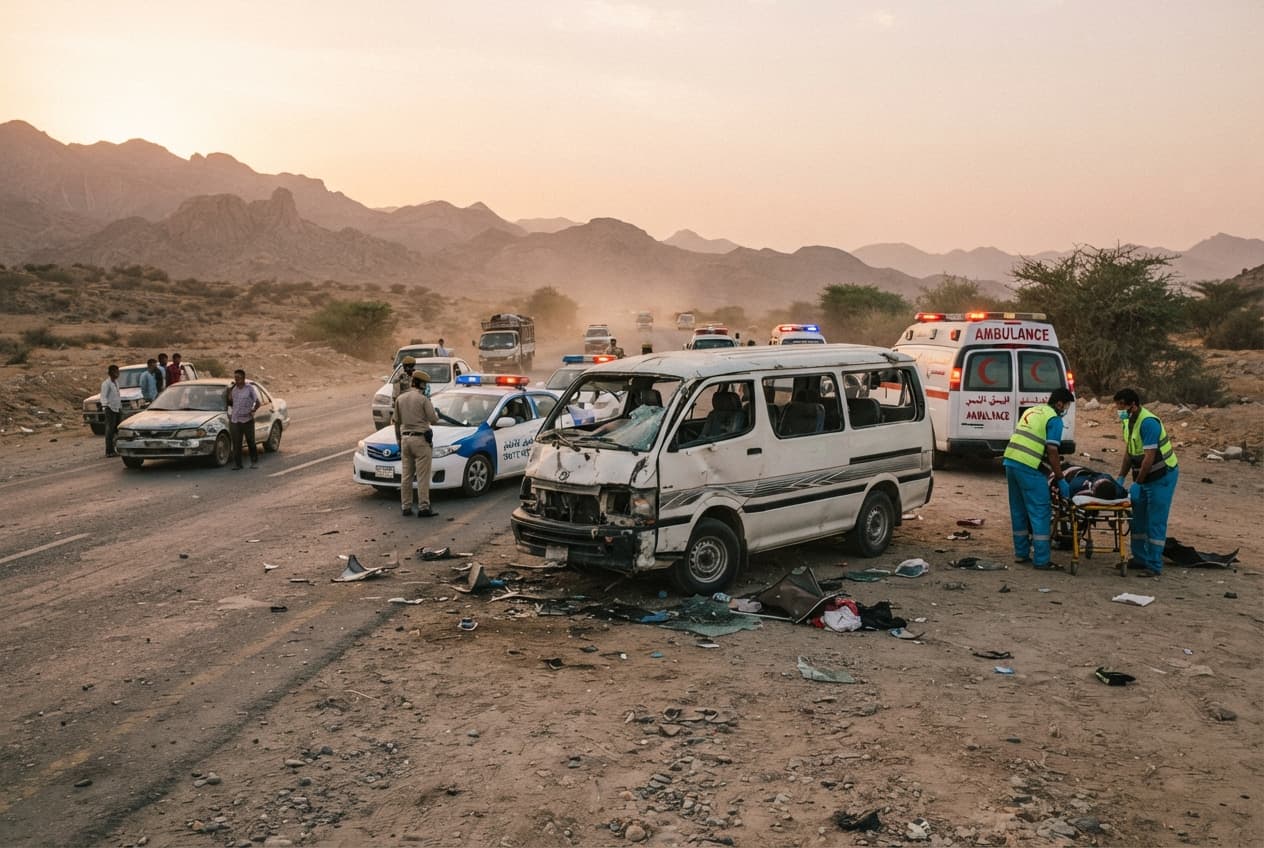
AI Image Disclaimer: Some courtroom and historical visuals related to this article may be AI-generated editorial illustrations based on public historical themes.
Sources: Reuters, BBC News, Associated Press, Al Jazeera, The Guardian
Published by Banx Network. This article is part of the Banx decentralized media programme, powered by the BXE token on the XRP Ledger.